Glenmark Receives Final FDA Approval for Atovaquone Oral Suspension, a Generic Version of GSK's Mepron
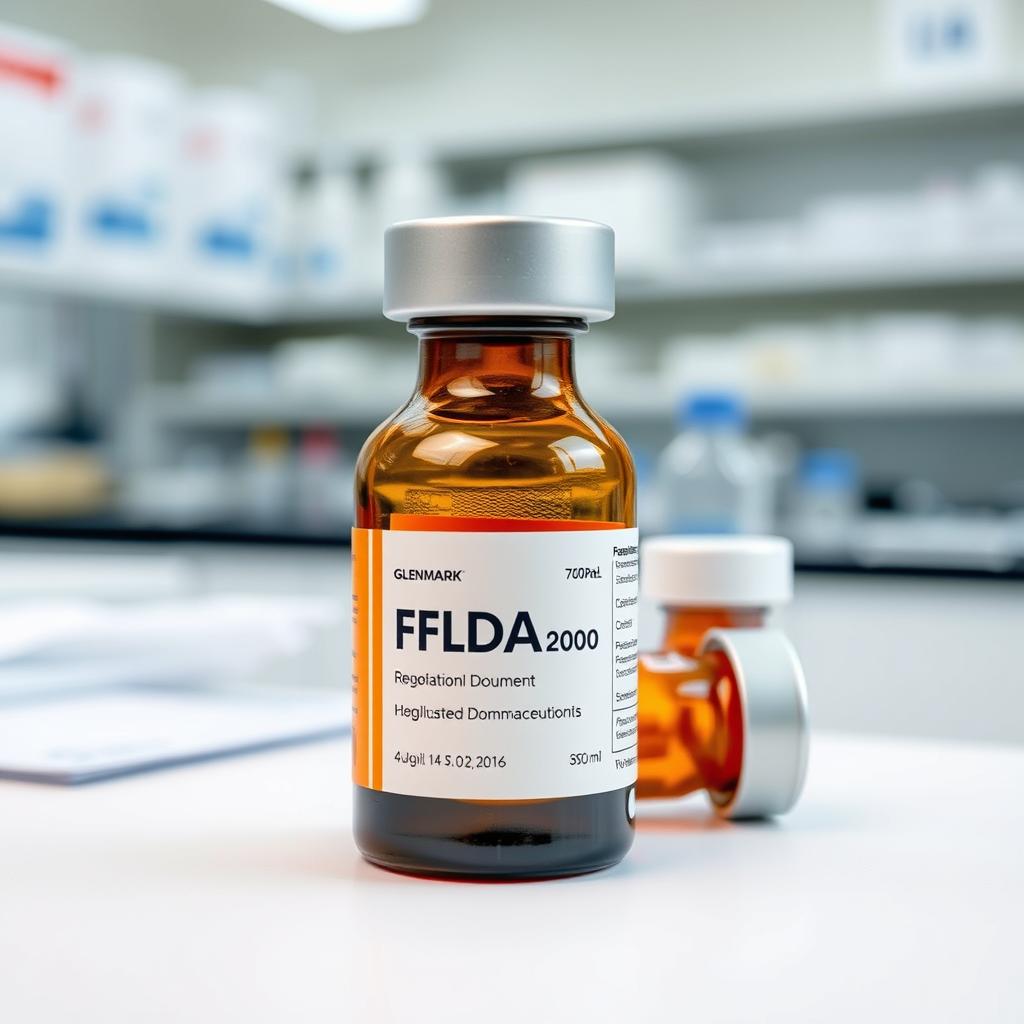
Generic Approval and Entry into the U.S. Market
Glenmark Pharmaceuticals Ltd. (ticker: GLENMARK) has received final approval from the U.S. Food and Drug Administration (FDA) on November 22, 2018, for its Atovaquone oral suspension (750mg/5mL, ANDA 209685), a generic treatment for Pneumocystis pneumonia (PCP). This approval was based on demonstrating bioequivalence to the original drug, Mepron, from GlaxoSmithKline (GSK). This can be seen as part of Glenmark's strategy to diversify its presence in the U.S. market, aiming to reduce reliance on high-priced branded drugs and improve patient access to treatment. The company is continuously expanding its generic portfolio in the U.S. to enhance the stability of its local subsidiary's revenue.
Mechanism of Action and Clinical Value of Atovaquone
Atovaquone is an antiprotozoal drug that inhibits cytochrome bc1 complex in the mitochondrial electron transport process of pathogens, thereby depleting their energy. It provides an essential alternative treatment option for patients who experience severe side effects or have intolerance to the standard treatment, co-trimoxazole. In clinical practice, it can be safely used as a substitute for the prevention and treatment of Pneumocystis jirovecii pneumonia (PCP) in immunocompromised patients. There has been significant demand for bioequivalent generic drugs with proven therapeutic equivalence to marketed branded drugs. This approval is clinically significant as it provides an affordable and proven treatment option for a patient population with limited alternatives.
Competitive Landscape and Market Share Acquisition Strategy
The U.S. market for Atovaquone oral suspension currently includes GSK, as well as several generic pharmaceutical companies such as Abon, Camber, and Amneal, creating a competitive landscape. Glenmark, as a late entrant, plans to leverage its large-scale in-house production facilities and global distribution network to gain a competitive advantage in pricing. The company aims to quickly gain market share by securing rapid inclusion in the formularies of major hospitals, focusing on outperforming competitors. This will strengthen brand credibility in the price and supply chain competition with other early generic entrants.
Pricing Policy and Financial Growth Driver
The annual market size for Mepron and its generic equivalents, including Atovaquone oral suspension, in the U.S. is approximately $119.1 million (USD) as of September 30, 2018, according to IQVIA, and continues to maintain strong demand. The launch of generics will lead to price reductions, resulting in a significant reduction in out-of-pocket costs for patients. At the same time, rapid patient acquisition through insurance coverage is expected to be a key driver of revenue growth for Glenmark's U.S. subsidiary. In the long term, increasing the proportion of high-margin specialty generic products will serve as a stepping stone to securing the company's operating profit margin and long-term financial growth.
Glenmark's (GLENMARK) FDA final approval of Atovaquone generic (ANDA 209685) is a milestone that will drive short-term revenue growth in the $119.1 million U.S. Mepron market. The product has been approved based on demonstrated bioequivalence and improves access and reduces out-of-pocket costs for Pneumocystis pneumonia (PCP) patients intolerant to the standard treatment, co-trimoxazole. In the short term, intense competition for formulary inclusion and pricing is expected with early generic entrants such as Abon and Camber, but Glenmark can recover market share with its production scale. In the medium to long term, it demonstrates the company's capabilities in developing and obtaining regulatory approval for complex liquid suspension formulations, paving the way for smoother future entry into the U.S. market with additional specialty generic products. Furthermore, it will challenge the monopoly of multinational pharmaceutical company GSK's branded drug and promote increased local alternative prescriptions, establishing itself as a key asset in generating stable cash flow for the U.S. subsidiary.
Source: openFDA (api_fda)
https://www.accessdata.fda.gov/scripts/cder/daf/index.cfm?event=overview.process&ApplNo=ANDA209685