University of Pennsylvania Completes Clinical Study of Metabolomic Biomarker for Measuring Positive Airway Pressure Treatment Response in Obstructive Sleep Apnea
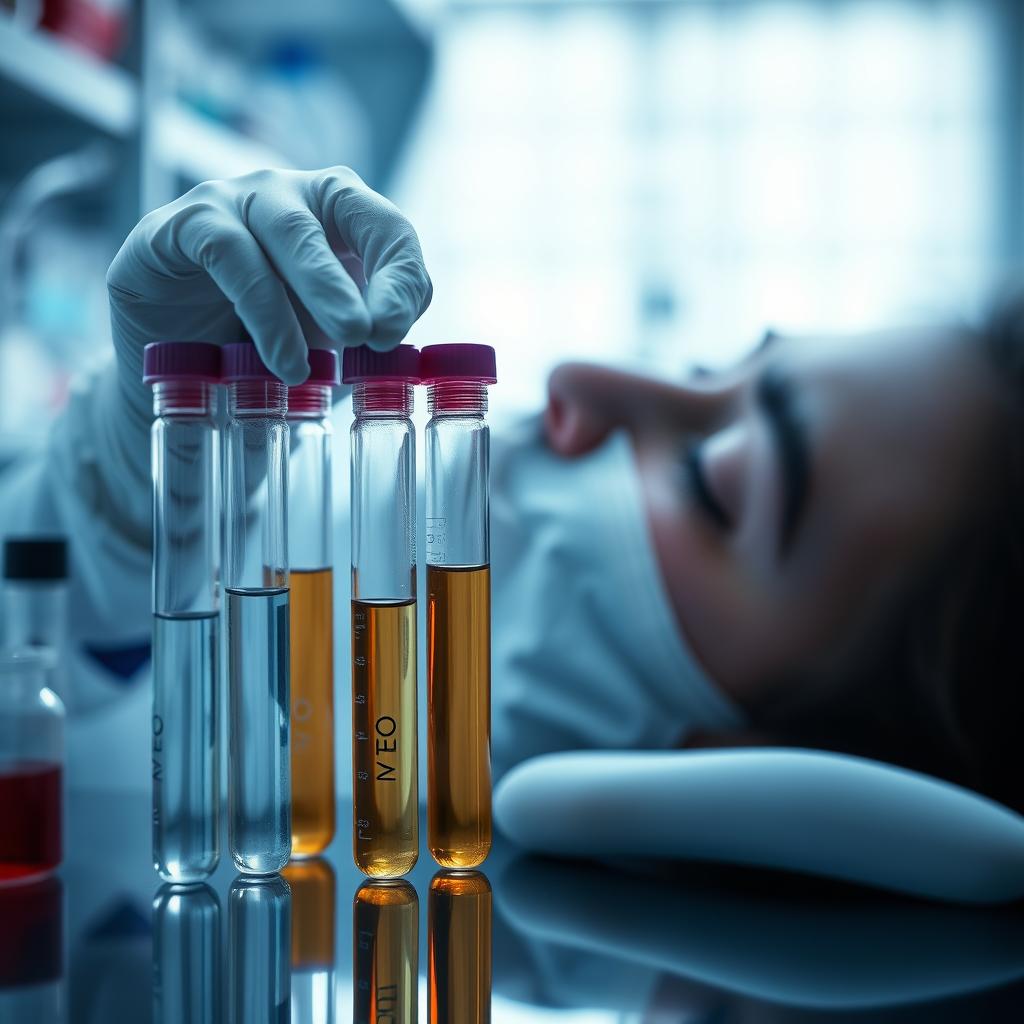
A New Precision Medicine Paradigm Based on Metabolomics
Obstructive Sleep Apnea (OSA) is a serious disorder characterized by repetitive upper‑airway collapse during sleep, leading to intermittent hypoxia and sleep fragmentation, which markedly increase the risk of cardiovascular and metabolic diseases. The metabolomics study led by researchers at the University of Pennsylvania aims to identify serum small‑molecule metabolic profiles that can serve as biomarkers for disease diagnosis and prognosis. In response to market demand for improving cumbersome diagnostic procedures, metabolomic analysis that directly captures biochemical changes is regarded as a key technology that could enable patient‑specific therapy.
Clinical Design and Positive Airway Pressure Treatment‑Response Analysis
The clinical trial (NCT04572269) commenced in September 2020 and reached final completion in September 2025, funded by an NIH R01 grant and conducted jointly by the University of Pennsylvania and the University of Iceland, enrolling real‑world patients on a large scale. Using a prospective observational study design, a total of 388 participants were followed for six months while receiving continuous positive airway pressure (PAP) therapy, with detailed tracking of metabolomic changes. By comparing the metabolic restoration patterns between patients with high PAP compliance and a control group, the investigators secured an objective biological indicator that quantitatively evaluates treatment response.
Overcoming Limitations of Conventional Polysomnography
Current standard diagnosis of OSA relies on polysomnography (PSG), which is costly and requires an overnight stay in a specialized facility, creating a persistent barrier to patient access. The metabolite‑based biomarker under development can screen for disease and predict risk early using a simple blood draw, dramatically lowering diagnostic hurdles. This approach offers differentiated value by enabling direct monitoring of pathophysiological changes through blood metabolites rather than relying on mechanical sleep‑study equipment.
Economic Viability and Market Expansion
The global market for OSA diagnosis and therapy devices is estimated at $9.3 billion to $10.3 billion in 2025, with rapid growth projected in home sleep apnea testing (HSAT) and digital biomarker segments. Commercialization of a metabolomic biomarker could replace expensive laboratory diagnostics, easing the financial burden on health‑insurance systems and reducing out‑of‑pocket costs for patients. Moreover, partnerships with major medical‑device manufacturers could expand the solution into a service model that monitors treatment adherence, presenting substantial scalability potential.
This study demonstrated the clinical validity of a blood‑based metabolomic biomarker that can overcome the high cost and inefficiency of conventional polysomnography within the global OSA diagnosis and therapy device market, which is valued at $9.3 billion–$10.3 billion in 2025. In the short term, the completed trial data from 388 participants establishes an objective quantitative metric of PAP treatment responsiveness that can be immediately employed as an efficacy endpoint in drug and device development programs. In the medium to long term, as the global HSAT market expands, integration with hardware solutions from dominant players such as ResMed (RMD) or Inspire Medical Systems (INSP) could drive diversification of revenue models through combined diagnostics and patient‑management platforms. From the perspective of investigators and venture capital, the commercialization of metabolomics—complementary to genomics‑focused precision medicine—lowers entry barriers in the sleep‑disorder diagnostic space and is expected to stimulate new startup investment.
Source: ClinicalTrials.gov (api_ct)