HelloNation and Prestige Fire announce inspection standards and regulatory guidelines for fire extinguishing equipment based on NFPA 10
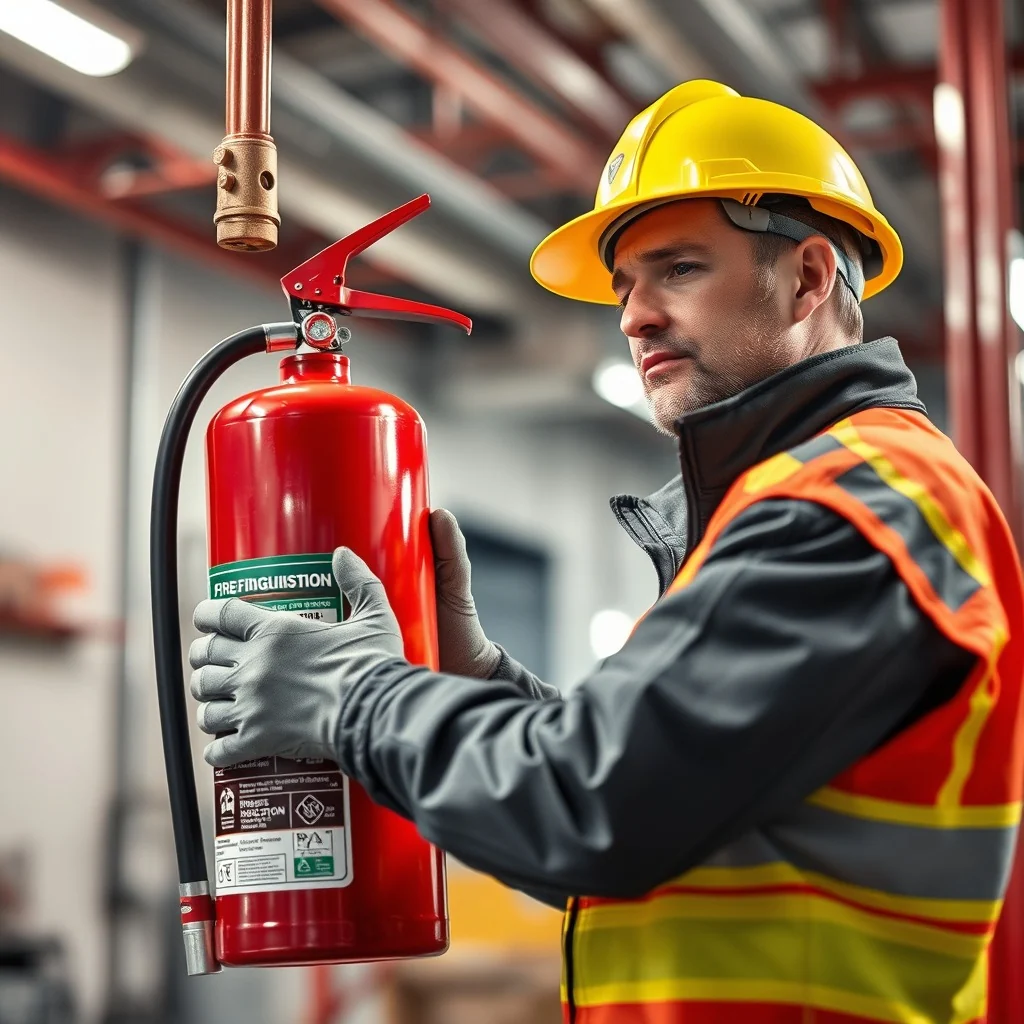
Presenting guidelines for compliance with Indiana fire regulations and NFPA 10 standards
Digital media platform HelloNation, together with Jeff Long, CEO of fire protection specialist Prestige Fire Protection, has announced inspection standard guidelines for fire extinguishers in commercial facilities. This announcement was driven by the need to communicate essential safety regulations to businesses in accordance with the National Fire Protection Association (NFPA 10) and Indiana Fire Code (675 IAC 22). Commercial facilities and bio-research manufacturing sites are required to complete regular fire equipment inspections per Occupational Safety and Health Administration (OSHA) standards. The core objective is to prevent risks of fines and business suspension due to non-compliance and to establish readiness for initial fire suppression.
Ensuring facility reliability and operational continuity through the establishment of a multi-cycle inspection system
The guidelines present a step-by-step inspection system ranging from monthly visual checks to annual servicing, 6-year internal inspections, and 12-year hydrostatic testing. To ensure the reliability of fire equipment, it is essential to go beyond simple visual checks to include internal component verification by certified technicians and precise record management. Particularly in current Good Manufacturing Practice (cGMP) facilities for biopharmaceuticals or laboratories handling chemicals, even minute equipment defects can lead directly to massive asset loss and research interruptions. Regular inspection tags and compliance documentation serve as an objective legal shield during on-site inspections by local fire authorities.
Strengthening accessibility standards for fire safety infrastructure and enhancing emergency response capabilities
Regarding on-site placement standards, the requirements emphasize that fire extinguishers must be placed along emergency exit paths without obstacles and must be securely mounted at the prescribed appropriate height. As enforcement by fire authorities strengthens across Central Indiana, including Plainfield, Carmel, and Indianapolis, issues such as blocked aisles or misplacement must be addressed immediately. If the golden time for initial fire suppression is not secured, the risk of total facility loss or casualties increases rapidly, making daily inspections by site managers crucial. Securing physical accessibility and clear visual marking enhances the effective utilization of safety infrastructure in high-risk work environments.
Expansion of the regulatory compliance market and increasing demand for professional fire protection maintenance outsourcing
The global fire extinguisher inspection and maintenance services market is projected to grow from $43 billion in 2024 to $60 billion by 2030, with North America analyzed as the largest demand center. Due to strengthening legal regulations and strict risk assessment policies from insurance companies, reliance on outsourcing to professional maintenance partners is increasing rather than in-house management. Central Indiana is densely populated with healthcare, biomanufacturing, and logistics infrastructure, making the adoption of professional fire solutions essential for diversifying operational risks. Consequently, the dissemination of these guidelines serves as an opportunity to improve safety regulation awareness in the local community and elevate the asset preservation capabilities of commercial facilities.
As the US fire safety and inspection services market expands from $4.3 billion in 2024 to $6 billion by 2030, the entry barriers to the regulatory compliance market led by large fire protection solution companies such as Cintas Corporation (CTAS) and Koorsen Fire & Security are continuously rising. In the short term, as on-site audits based on NFPA 10 by Indiana fire authorities intensify, immediate equipment inspections and compliance expenditures for local commercial and research facilities are inevitable. In the medium to long term, it is judged that biotech and pharmaceutical companies operating non-clinical laboratories and cGMP manufacturing facilities will expand safety management outsourcing contracts to maintain facility permits and prevent downtime risks. Consequently, increasingly strict facility safety and Environmental Health and Safety (EHS) standards act as a key operational metric that goes beyond simple equipment management to preserve the continuity of biotechnology R&D infrastructure and the asset value of capital-intensive fabs.