Phase II Clinical Trial of Hepatic Artery Infusion Combined with Floxuridine and Dexamethasone Chemotherapy for Treatment of Colorectal Cancer Liver Metastases
Background
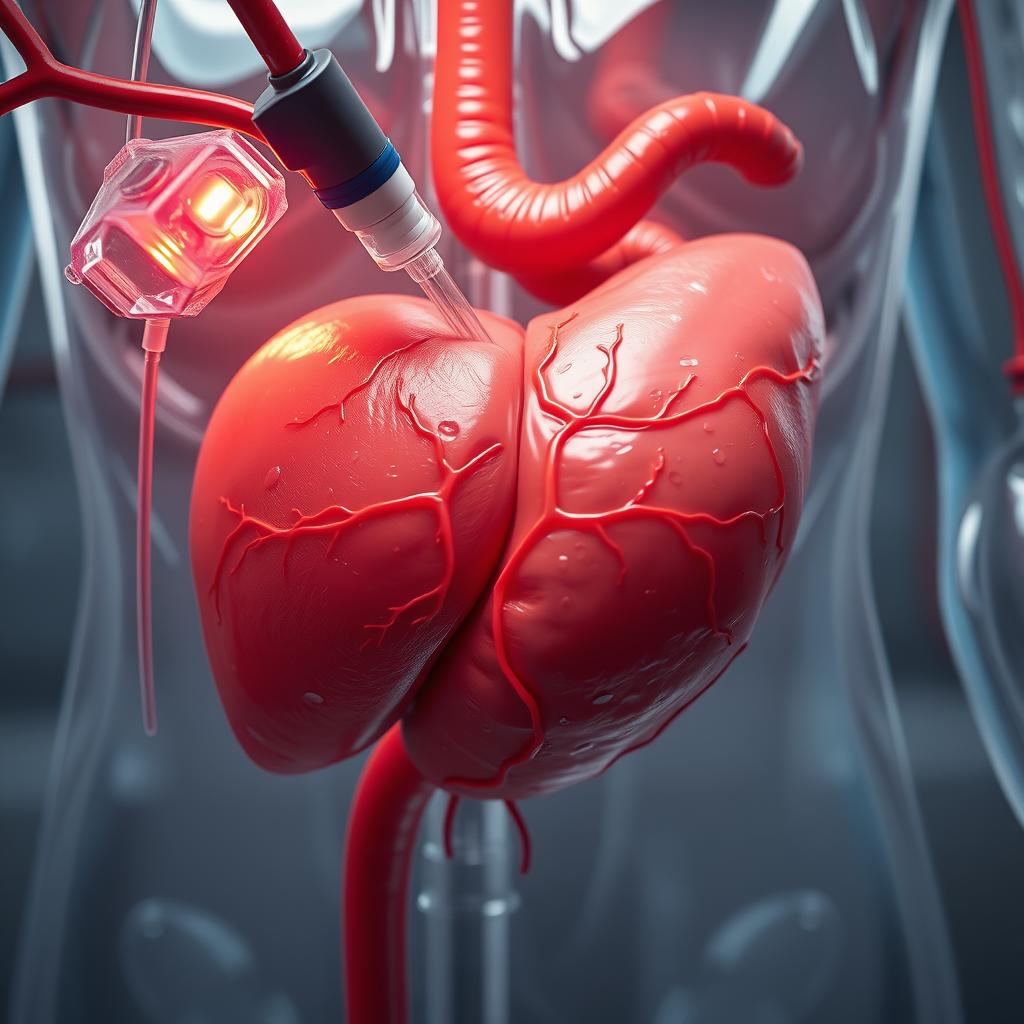
This trial utilizes hepatic artery infusion (HAI) to deliver floxuridine and dexamethasone directly to the liver and combines this approach with standard systemic chemotherapy. Liver metastases from colorectal cancer present a high therapeutic challenge, creating a need for novel locoregional treatments. Systemic chemotherapy alone often fails to achieve sufficient drug concentrations at tumor sites, making high‑dose local delivery an attractive strategy.
Clinical Design
The study is a Phase II trial, currently fully enrolled, and was initiated in May 2007. The primary objectives are to assess the safety and antitumor activity of the HAI‑based combination therapy, with objective response rate (ORR) and progression‑free survival (PFS) designated as co‑primary endpoints. Eligible participants are patients with metastatic colorectal cancer and liver metastases; sub‑cohorts are defined based on prior treatment exposure.
Expected Benefits
Floxuridine is a DNA synthesis inhibitor, while dexamethasone mitigates inflammation and reduces drug‑related toxicity. Delivering both agents at high concentrations via the hepatic artery is expected to maximize tumor cell kill. When combined with systemic chemotherapy, the regimen may also suppress micrometastatic disease beyond the liver.
Market and Clinical Significance
Liver‑metastatic colorectal cancer is diagnosed in over 100,000 patients annually in the United States, and the limitations of current therapies generate strong demand for new locoregional options. If successful, an HAI‑based combination could be incorporated into standard care, driving market expansion across medical devices and drug supply chains. Conversely, any safety concerns would prompt a reassessment of locoregional infusion strategies.
This approach leverages high‑dose local drug delivery to enhance efficacy, offering potential for market growth and improved profitability. Demand for specialized personnel in hepatic artery infusion device manufacturing and drug development is expected to rise.
Source: ClinicalTrials.gov (api_ct)