Evaluation of Early PET‑MRI Safety and Feasibility Following Neurosurgical Procedures
Clinical Trial Overview
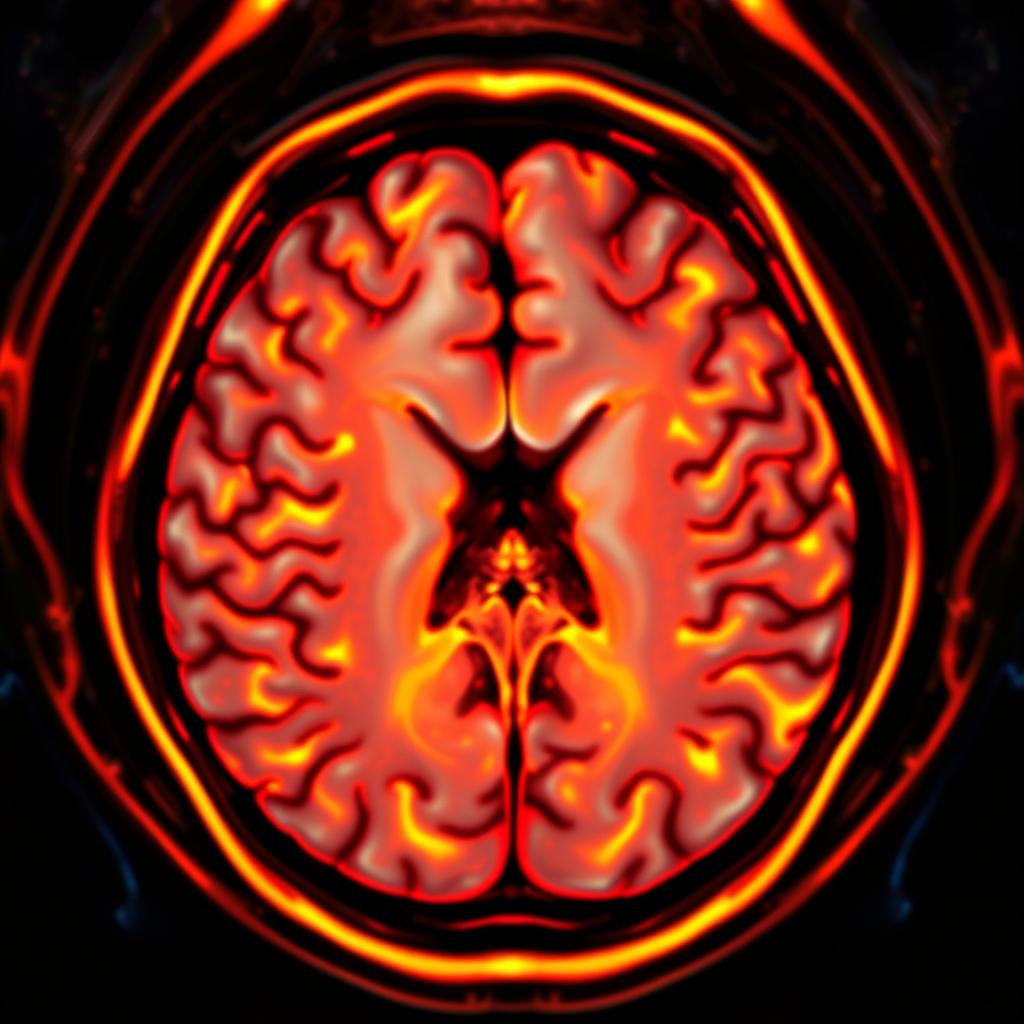
This study verifies whether brain PET‑MRI performed within 48 hours after surgery can detect residual tumor. It is being conducted at a single center in France with 15 adult patients and is currently enrolling. The primary objectives are to assess the safety of the imaging procedure, radiation exposure, and the incidence of adverse events.
Distinction from Conventional Imaging
Unlike standard gadolinium‑enhanced MRI, the protocol acquires 18F‑DOPA positron emission tomography (PET) concurrently with MRI. PET visualizes metabolic activity, offering the potential to detect residual tumor with greater sensitivity. Quantitative parameters such as SUVmax and tumor‑to‑striatal ratios may be superior to conventional imaging for predicting early recurrence.
Patient Population and Study Design
PET‑MRI will be performed within 48 hours post‑surgery in 15 adult patients, with radiation dose and adverse events monitored for 24 hours. 18F‑DOPA, a dopamine precursor, is used as a tracer to label the metabolic activity of brain tumor cells. The study is observational and compares the results directly with prior gadolinium‑enhanced MRI without a separate control arm.
Expected Impact and Market Implications
Accurate identification of residual tumor with early imaging could enable rapid decisions regarding re‑operation or radiotherapy, potentially improving patient outcomes. If successful, a PET‑MRI‑based diagnostic protocol could be incorporated into standard care, expanding demand for imaging equipment and radioactive isotopes. Conversely, safety concerns could delay the development of non‑invasive imaging alternatives.
Early PET‑MRI that accurately detects residual tumor enables rapid adjustment of therapeutic strategies, enhancing investment returns. Expertise in neuro‑oncology diagnostics and the capability to manage radioactive tracers are therefore critical.
Source: ClinicalTrials.gov (api_ct)