Gedeon Richter's Teriparatide Biosimilar, Terrosa, Receives EMA Approval, Entering the European Market
Original Patent Expiration and Market Authorization
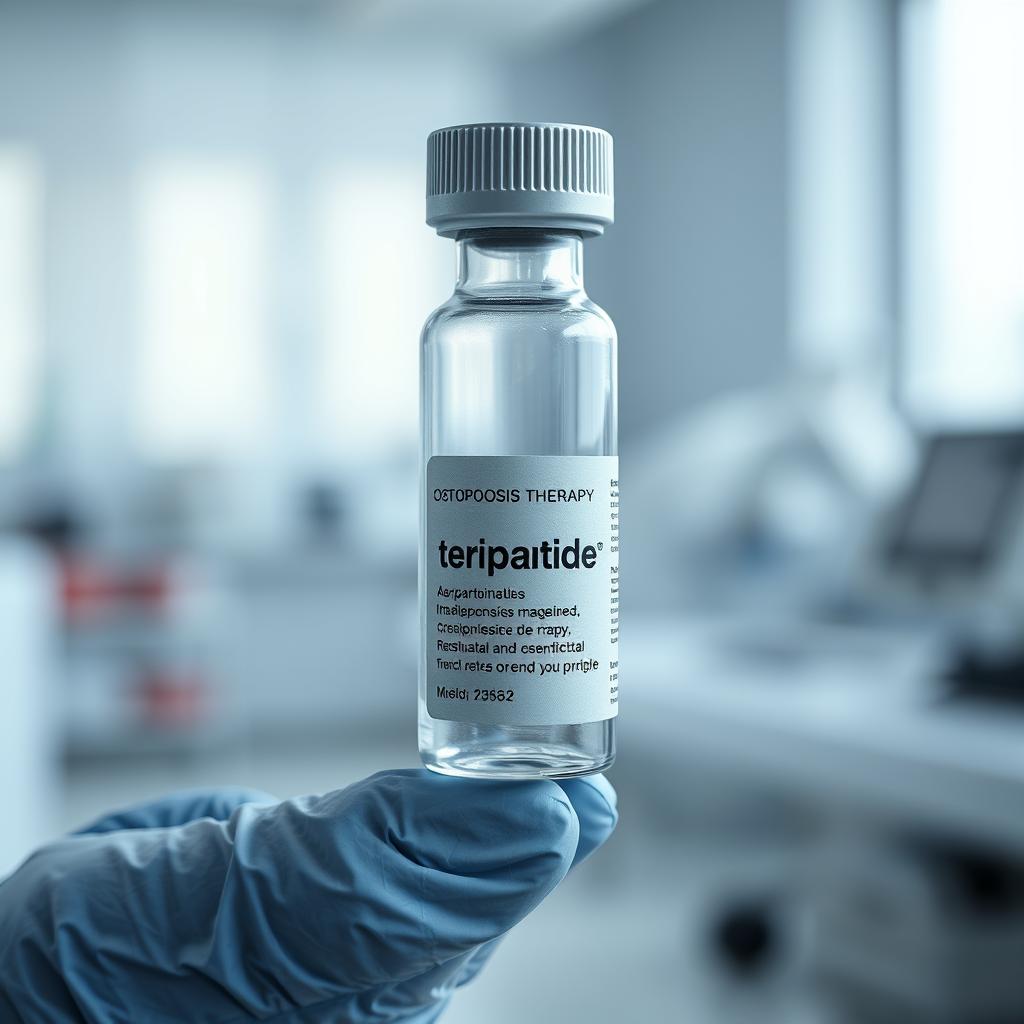
Terrosa, a teriparatide biosimilar developed by Gedeon Richter (RICHT), a global pharmaceutical company headquartered in Hungary, received final market authorization from the European Medicines Agency (EMA) in January 2017. This strategic move aimed to quickly enter the market following the expiration of the patent for the original drug, Forsteo/Forteo, from Eli Lilly (LLY). This drug, a parathyroid hormone receptor 1 (PTHR1) agonist, improves bone mineral density and significantly reduces the risk of fractures in patients with severe osteoporosis through its anabolic mechanism, which promotes bone formation. Following the expiration of the original product's substance patent in August 2019, it was officially launched throughout Europe, initiating a full-scale market entry and competition.
Therapeutic Equivalence Proven by Phase 3 Clinical Data
The Phase 3 clinical trial (Study RGB1023O31) that formed the basis for Terrosa's approval was conducted rigorously on 250 postmenopausal women and men with osteoporosis aged 55 and over, comparing it one-to-one with the original drug. After administering 20 micrograms (ug) subcutaneously daily for 52 weeks, the mean change in lumbar bone mineral density (BMD) from baseline was 8.94% in the Terrosa group and 9.65% in the original drug group. The final difference between the two groups was -0.65%, which was within the pre-defined clinical equivalence acceptance range of +-'2.8%, demonstrating complete therapeutic equivalence. Furthermore, there were no significant differences between the two groups in terms of adverse events and immunogenicity reactions, alleviating safety concerns.
Market Diversification with Price Competitiveness
The osteoporosis treatment market in Europe is strongly influenced by strict financial controls by national health authorities and rigorous cost-effectiveness evaluations for securing reimbursement coverage. In this context, Terrosa, launched at a reasonable price compared to the original product, has become a significant alternative for reducing the financial burden on European governments and improving patient access. Gedeon Richter has established a foundation for supplying high-quality products in large quantities based on the excellent bio-pharmaceutical production technology and precise processes of its subsidiary, Richter-Helm BioTec. This is considered a key factor that allows it to gain an overwhelming commercial competitive advantage over other late-entrant competitors in the highly price-sensitive European market.
Market Restructuring Centered on Biosimilars and Prospects
As of 2025, the global teriparatide market is estimated at approximately $1.8 billion (USD 1.8B), and with the trend of an aging population, it is expected to grow rapidly to approximately $3.4 billion (USD 3.4B) by 2034. With the loss of exclusivity for the original product, the market is rapidly being restructured around biosimilars, and early market entrants such as Terrosa are emerging as key players in value creation. In the future, if additional real-world data is accumulated in clinical practice and prescription cases increase for various sub-indications, such as glucocorticoid-induced osteoporosis, the long-term growth of Terrosa will be further accelerated.
Terrosa's EMA approval in Europe marked a turning point in the approximately $1.8 billion global teriparatide market, previously dominated by Eli Lilly's original drug, Forsteo, whose patent expired in 2019, as the market shifted towards biosimilars. By demonstrating therapeutic equivalence within the acceptance criteria (+-'2.8%) in a Phase 3 clinical trial, with a lumbar bone mineral density (BMD) improvement rate of 8.94% compared to the original drug (9.65%), it has secured strong clinical evidence for future global market entry. In the short term, the speed of price and reimbursement negotiations in each European country and the price competitiveness with other competing biosimilars, such as Stada's Movymia, will be key variables in determining initial market share. In the medium to long term, with the rapid increase in the aging population, it is expected to contribute to the diversification of Gedeon Richter's bio-pharmaceutical sales and improvement of operating profit margins in the overall anabolic osteoporosis treatment market, which is expected to expand to $3.4 billion by 2034. From the perspective of researchers and industry professionals, the easing of the barriers to entry for teriparatide as a first-line therapy and the availability of long-term safety data will be key factors in changing prescription patterns and diversifying treatment options.
Source: EMA (ema)