Future Technologies to Address Organ Shortage: Xenotransplantation, 3D Bioprinting, Stem Cells
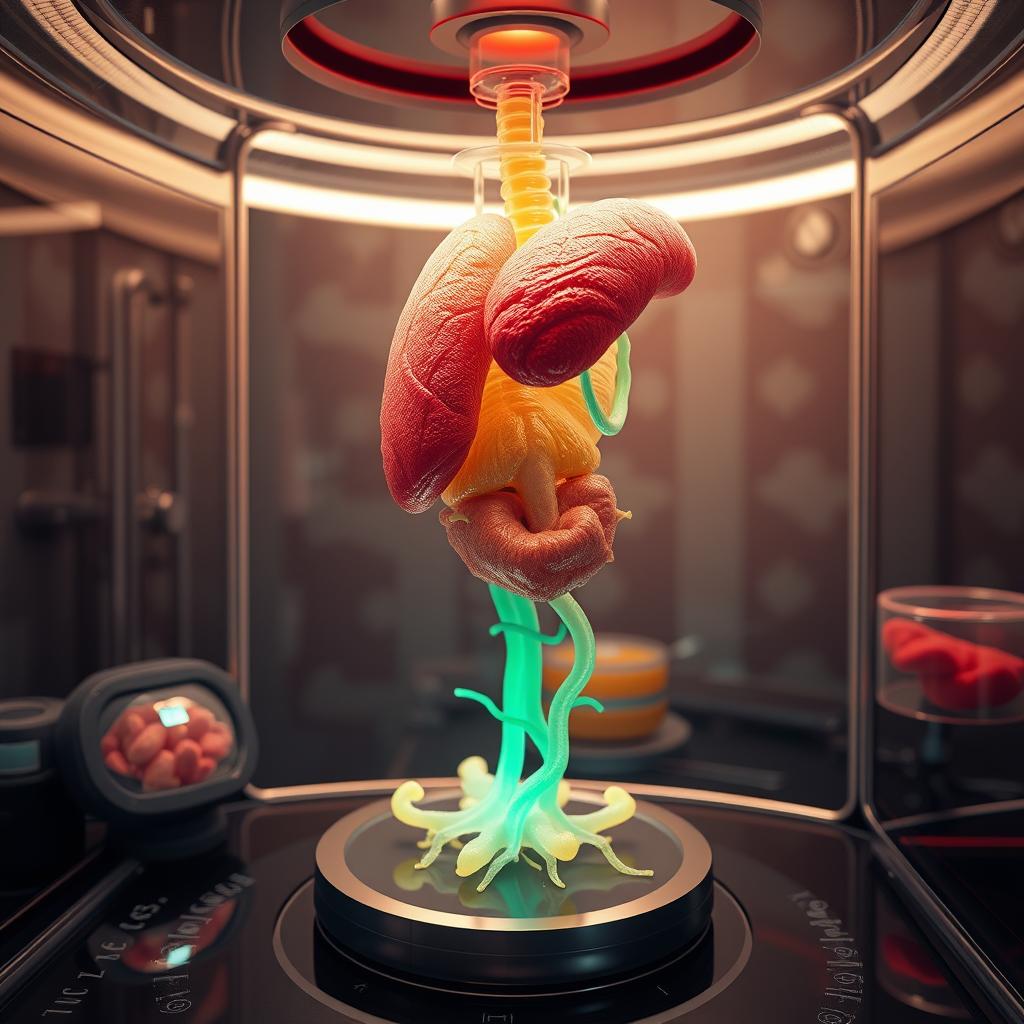
Rise of Xenotransplantation
Xenotransplantation is a technology that transplants animal organs such as those from pigs into humans. Recently, research leveraging genetic engineering to minimize immune rejection responses has been actively progressing. This can be seen as an attempt to fundamentally solve the organ donation shortage problem.
Evolution of 3D Bioprinting
3D bioprinting is a technology that builds customized organs by layering living cells and bio‑ink. As printing precision improves, even complex vascular structures can be realized. Patient‑specific therapies and cost‑reduction benefits are anticipated.
Stem Cell–Based Regenerative Therapy
Stem cell technology plays a central role in regenerating damaged tissues. In particular, pluripotent stem cells can differentiate into various cell types, making them highly applicable for organ regeneration. If clinical adoption expands, they could become an alternative therapeutic modality to organ transplantation.
Market and Regulatory Landscape Shifts
All of these technologies are high‑cost, high‑risk areas, making the alignment of investment and regulation critical. Several countries are currently reviewing approvals for xenotransplantation, and guidelines for 3D bioprinting are being drafted. Regulatory clarity is expected to accelerate commercialization.
Xenotransplantation, 3D bioprinting, and stem cell platforms have high investment appeal because they can alleviate organ supply shortages and generate high‑value markets. As new regulatory guidelines are established, demand for R&D personnel and clinical experts will surge, creating strong opportunities for job seekers.
Source: Labiotech (rss)
https://www.labiotech.eu/in-depth/the-future-of-organ-transplants/