Study of Nutritional Status Assessment Using Ultrasound and Outcomes in Surgical Intensive Care Units
Background
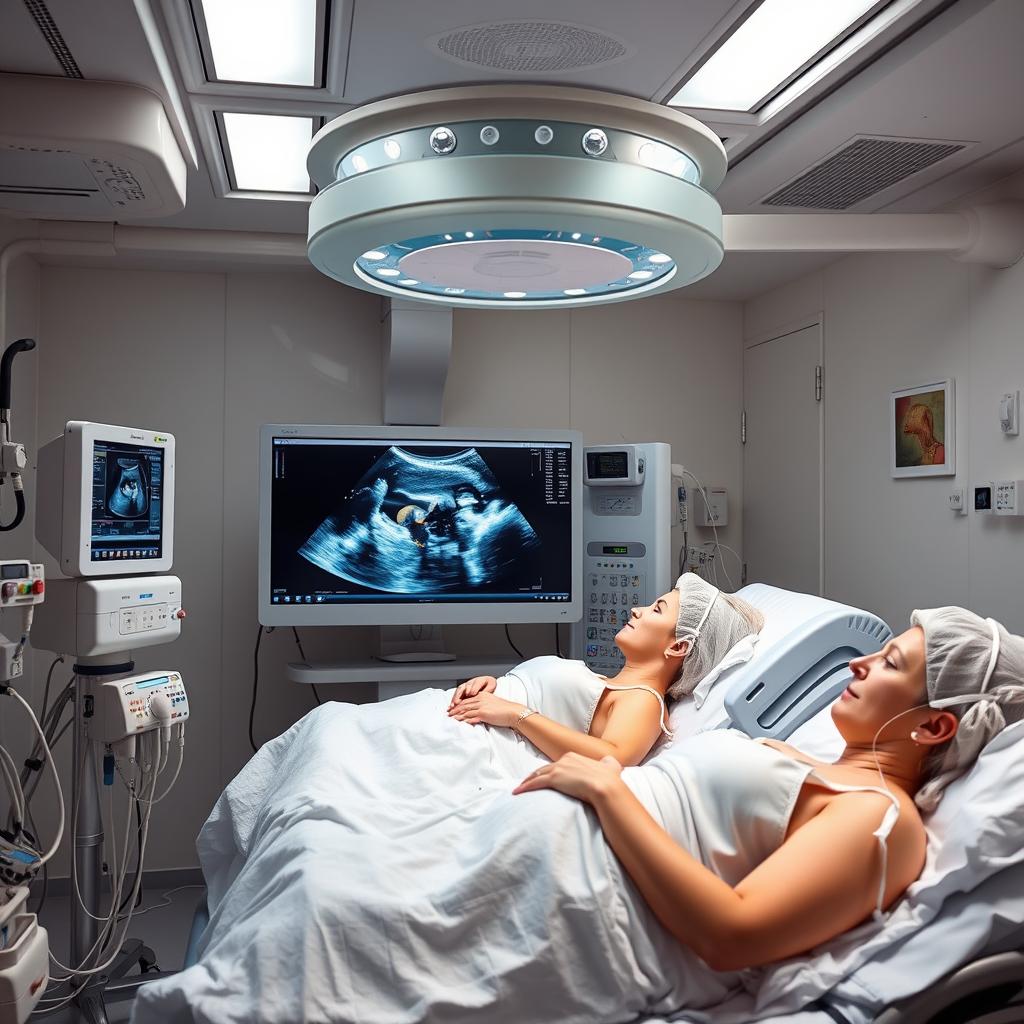
Ultrasound imaging is non‑invasive and provides real‑time insight into tissue status, making it highly suitable for nutritional assessment. In surgical ICUs, malnutrition significantly impacts recovery speed and mortality, necessitating precise monitoring. Consequently, developing ultrasound‑based nutritional metrics could offer a faster and more cost‑effective alternative to conventional blood tests.
Study Design
The trial is currently in the RECRUITING phase and commenced on February 1, 2026. Eligible participants are adult patients admitted to surgical ICUs, in whom ultrasound will be used to measure muscle thickness and subcutaneous fat changes. The primary endpoints are the correlation between ultrasound‑derived metrics and established nutritional assessment tools (e.g., NUTRIC score), as well as their association with clinical outcomes such as ICU length of stay and mortality.
Expected Benefits
If ultrasound‑based nutritional metrics demonstrate reliability, clinicians could assess nutritional status in real time at the bedside and deliver individualized nutritional support. This is expected to accelerate patient recovery, shorten hospital stays, and reduce overall healthcare costs. Moreover, the non‑invasive nature of the measurement minimizes patient discomfort.
Clinical and Market Implications
Nutritional management is a cornerstone of critical care, yet current practice relies on laboratory tests and clinical assessments. A novel ultrasound‑based approach creates new use‑cases for ultrasound devices in the medical‑device market and can stimulate demand for associated software and data‑analytics services. Successful outcomes could influence not only European but also global critical‑care nutrition protocols.
Ultrasound‑based nutritional assessment is non‑invasive and delivers real‑time data, enhancing the growth potential of medical‑imaging equipment and digital health solution markets, thereby increasing investment appeal. Experience with this technology also provides a strategic advantage for entering the medical‑device and data‑analytics sectors, supporting career development.
Source: ClinicalTrials.gov (api_ct)