FDA Tightens Import Specifications for Heparin Sodium
Background and Purpose
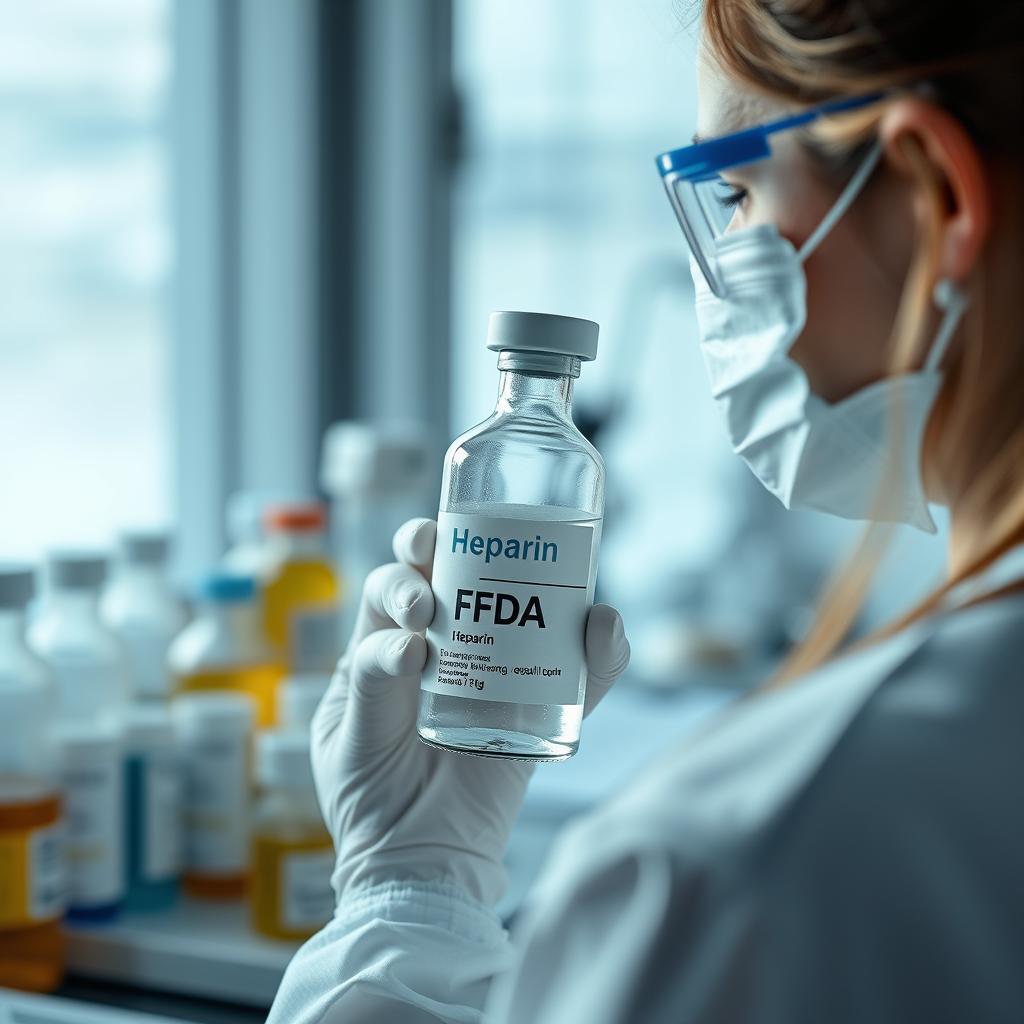
The FDA has recently required that imports of Heparin Sodium be compliant with the latest USP specifications. This measure aims to address past incidents involving substandard raw materials and to close international quality gaps. Strengthening the specifications is intended to protect patient safety and enhance consistency of drug quality in the United States.
Industry Impact
Importers will need to reassess manufacturing processes and testing methods to meet the new USP standards. While additional quality verification costs may arise, the long‑term effect could be increased credibility and improved market access. Because heparin is widely used as an anticoagulant, regulatory changes may have ripple effects across the broader anticoagulant market.
Patients and Clinical Settings
Patients can anticipate a safer supply of raw material, and clinicians will face a reduced risk of adverse events linked to substandard inputs. This can translate into better therapeutic outcomes and cost savings. However, a temporary shortage of supply could pose a risk of treatment delays.
Competitors and Global Trends
Beyond the United States, major markets such as the EU and Japan are adopting comparable quality standards. Consequently, global pharmaceutical companies have already been strengthening their quality management systems, and this regulation will further align practices with international standards. It also serves as a significant signal for overseas firms contemplating entry into the U.S. market.
The regulatory tightening serves as a key indicator of the stability of the heparin raw‑material supply chain, and companies that meet USP standards become more attractive to investors. Suppliers must enhance their quality‑management capabilities, and specialized expertise in related roles is increasingly required.
Source: FDA Drug Approvals (rss)
http://www.fda.gov/drugs/human-drug-imports/heparin-importation