FDA, Gojo, and other manufacturers continue to recommend prioritizing the use of soap and water over ethanol-based hand sanitizers.
FDA Reaffirms Hand Hygiene Standards and Market Context
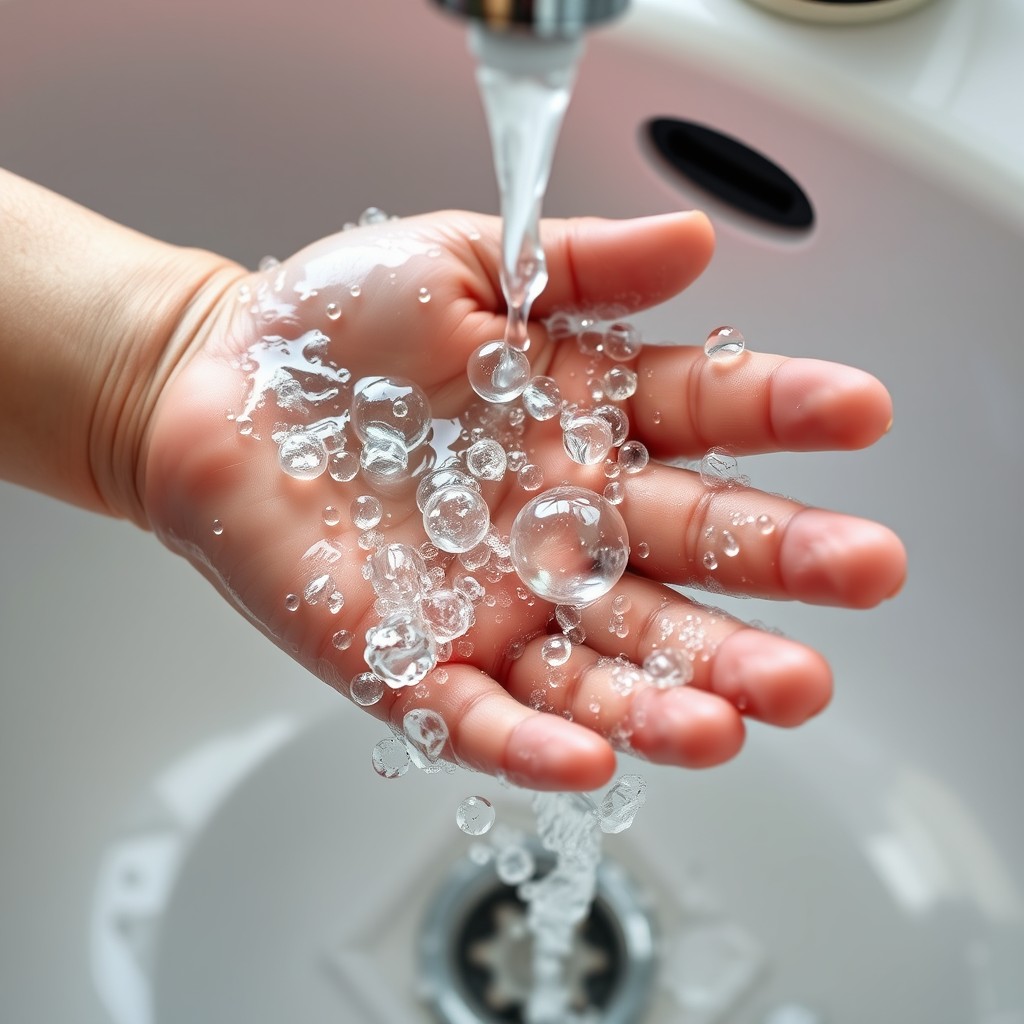
The U.S. Food and Drug Administration (FDA) has reiterated that washing hands with soap and water remains the most effective standard of care for preventing infections. This is because the physical removal of pathogens from the skin's surface through friction is superior to chemical disinfection in terms of both human safety and efficacy. The global hand sanitizer market, dominated by companies like Gojo Industries (Purell) and Reckitt Benckiser (Dettol), is estimated at approximately USD 6 billion. However, the FDA defines hand sanitizers as a supplementary measure for use in limited settings, rather than a complete replacement for soap.
Regulatory Impact of the 2019 OTC Monograph Final Rule
In April 2019, the FDA issued the Consumer Antiseptic Rubs Final Rule, banning the marketing of 28 chemical ingredients, including triclosan. However, the agency deferred regulatory decisions on three widely used active ingredients – ethanol, isopropyl alcohol, and benzalkonium chloride – pending the submission of additional safety data. As a result, products based on these three ingredients remain on the market, and manufacturers face the ongoing challenge of submitting long-term clinical and toxicological data to address regulatory uncertainties.
Technical Limitations and Indications of Chemical Disinfectants
The recommendation by public health authorities to use hand sanitizers only in situations where water is unavailable reflects the inherent limitations of these products. Even sanitizers with an ethanol concentration of 60% or higher cannot remove visible dirt or chemical contaminants such as heavy metals and pesticides from the hands, and they are ineffective against certain spore-forming bacteria, such as norovirus and Clostridium difficile. Consequently, outside of healthcare settings, a hygiene guideline has been established that separates cleaning and disinfection, which has directly impacted the marketing strategies and product positioning of hygiene product manufacturers.
Post-Pandemic Restructuring and Diversification Strategies
The global demand for hand sanitizers, which surged during the COVID-19 pandemic, has undergone a structural adjustment as the pandemic has subsided. Consequently, major companies in the sector, such as Ecolab and 3M, are rapidly shifting towards higher-value segments, including foam-type sanitizers with enhanced moisturizing ingredients and eco-friendly sprays that address the limitations of gel formulations. In line with the trend towards stricter ingredient regulations, these companies are also pursuing product enhancements from an ESG perspective, such as the introduction of naturally fermented ethanol instead of synthetic ingredients and the use of containers that do not contain endocrine disruptors.
The FDA's hand hygiene standards and OTC monograph regulations provide guidelines for the R&D direction of global hygiene product companies such as Gojo Industries and Reckitt Benckiser. The global hand sanitizer market, valued at approximately USD 6 billion, has maintained a 'marketed' status for products containing the three main active ingredients since the 2019 final rule, but regulatory risks may arise depending on the FDA's final safety review results. From a research perspective, the focus will be on developing next-generation formulations that overcome the limitations of alcohol-based sanitizers and minimize damage to the skin barrier. From an investor perspective, it is necessary to re-evaluate the valuation of companies with regulatory compliance capabilities and premium product lines in the hygiene sector, which has entered a stable period after the pandemic-driven surge. In the medium to long term, the B2B medical disinfectant market is expected to continue to grow steadily, serving as a stable source of revenue for the industry, despite the FDA's recommendation for its use as a supplementary measure.
Source: FDA Drug Approvals (rss)