FDA Integrates Labeling Resources to Enhance New Drug Approvals and Post-Market Safety Management, Including Eli Lilly's 'Kisunla'
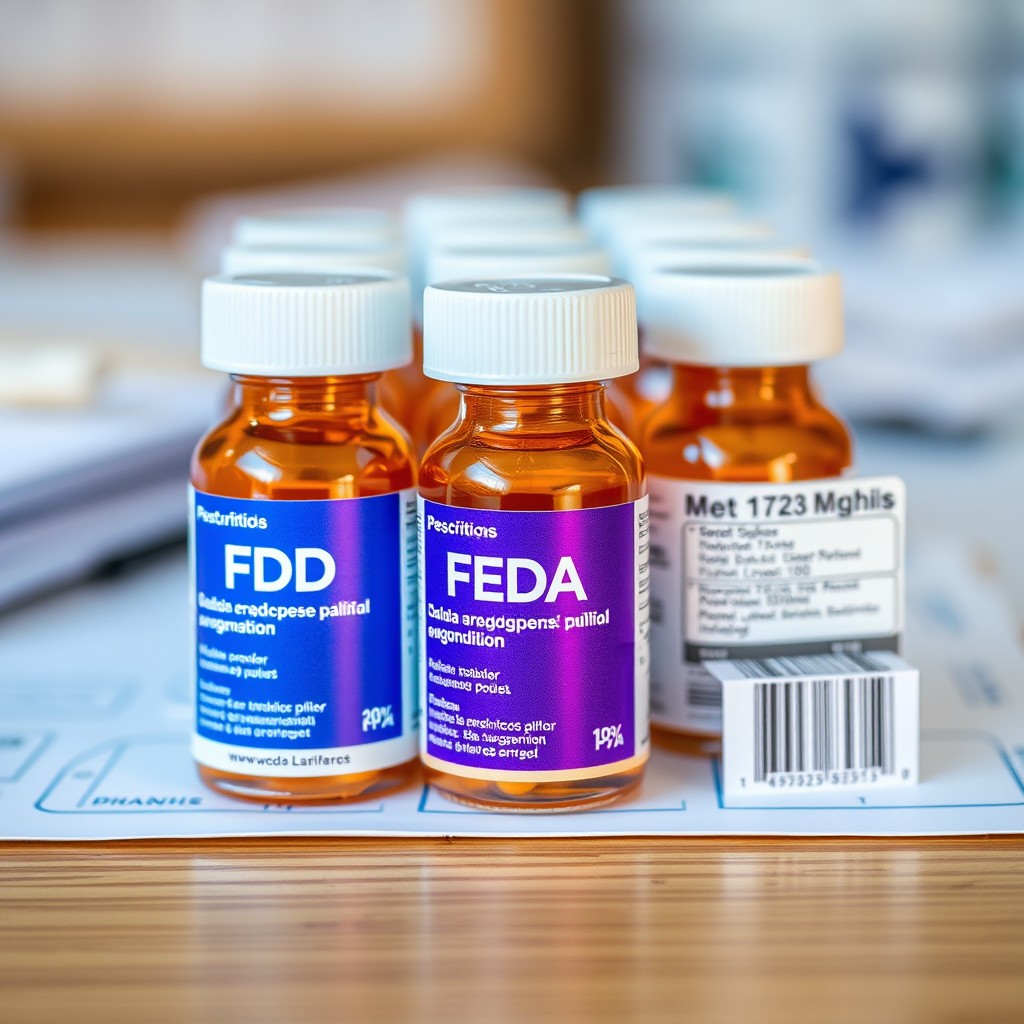
The Importance of FDA Labeling Standardization and its Impact on New Drug Approvals
The labeling resources for human prescription drugs provided by the FDA are not merely administrative documents but a critical regulatory hurdle that determines the success of new drug approvals. When submitting a New Drug Application (NDA), pharmaceutical companies must adhere to the Physician Labeling Rule (PLR) format for the prescribing information to enhance readability and ensure accurate information delivery. Failure to comply with labeling standards can result in a Complete Response Letter (CRL), delaying the launch by at least six months to a year, posing a significant regulatory risk. In reality, many biotech companies, despite demonstrating clinical efficacy, miss their market entry window due to inadequate labeling standardization.
Implementation of Structured Product Labeling and the Establishment of Digital Healthcare Infrastructure
The FDA mandates the submission of Structured Product Labeling (SPL), an XML-based, machine-readable standard. This helps patients and healthcare professionals access drug information in real-time and serves as an essential foundation for digital health systems designed to prevent prescription errors. Pharmaceutical companies must perfectly map drug substance codes (UNII) and global drug terminology standards to successfully navigate the approval process. The FDA's provision of integrated resources is expected to streamline this complex electronic document submission process, significantly reducing regulatory costs.
Market Value Determined by Labeling Indications and Real-World Examples
The indications and usage, as well as the prescribing criteria, approved in the drug labeling define the legitimate marketing territory of the new drug, thereby determining its commercial value. Recently, Madrigal Pharmaceuticals (MDGL)'s MASH treatment, Rezdiffra (resmetirom, THR-beta agonist), successfully expanded its market size by obtaining an exemption from mandatory liver biopsies during labeling negotiations. Conversely, Eli Lilly (LLY)'s Alzheimer's treatment, Kisunla (donanemab-azbt, Amyloid-beta target), has a Boxed Warning regarding amyloid-related imaging abnormalities (ARIA) included in its labeling, requiring mandatory regular MRI monitoring. As such, a single phrase in the labeling can be a key factor in changing the market landscape, just as much as clinical results.
Post-Market Safety Management and Strategies for Addressing Ongoing Regulatory Risks
Even after a drug is launched, the FDA can instruct pharmaceutical companies to add additional warning statements through Safety Labeling Changes (SLC). Based on real-world data (RWD) accumulated after the launch of a new drug, if adverse effects are discovered, the pharmaceutical company must immediately revise the labeling to avoid drug recalls or large punitive lawsuits. For this reason, global multinational pharmaceutical companies have established enterprise-wide Regulatory Information Management (RIM) systems to maintain a constant labeling update system. The ability to proactively control regulatory risks is itself becoming an important benchmark for corporate value assessment.
Global Regulatory Harmonization and Overseas Expansion Strategies for Korean Biotech Companies
The FDA's labeling and document standards guidelines are closely linked to the standard guidelines of global regulatory agencies such as the European Medicines Agency (EMA) and the Pharmaceuticals and Medical Devices Agency (PMDA) of Japan. Companies pursuing the development of global blockbuster new drugs should prepare the Common Technical Document (CTD) from the Phase 1 clinical trial design stage, keeping the FDA standard guidelines in mind, in order to accelerate the global simultaneous launch schedule. Korean biotech companies should keep in mind that compliance with these standards can determine the success or failure of a deal when concluding technology export (L/O) agreements or pursuing independent launches after completing global Phase 3 clinical trials.
The FDA's prescription drug labeling guidelines regulate entry into the U.S. market, which accounts for more than 40% of the global prescription drug market valued at approximately $1.1 trillion annually (approximately $450 billion), and the exercise of exclusive rights. As seen in the cases of new drugs undergoing approval and marketing stages, such as Eli Lilly (LLY)'s Alzheimer's treatment Kisunla and Eisai/Biogen (BIIB)'s Leqembi, whether or not a Boxed Warning is included in the labeling and the diagnostic limitations are key variables that determine market share immediately after product launch. Receiving a Complete Response Letter (CRL) due to failure to meet labeling submission standards delays the new drug launch schedule by at least six months to a year, which results in tens of millions of dollars in opportunity cost and a sharp decline in pipeline value for the developer and investors. From the perspective of researchers and industry professionals, a strategy of proactively incorporating the FDA's Structured Product Labeling (SPL) technical standards and the unified national drug ingredient code (UNII) from the Phase 3 clinical trial design stage is a key indicator that maximizes early technology export (L/O) and commercialization success rates.
Source: FDA Drug Approvals (rss)
http://www.fda.gov/drugs/laws-acts-and-rules/fdas-labeling-resources-human-prescription-drugs