Roche (ROG) Agrees to Acquire PathAI, a Digital Pathology Company, for Up to $1.05 Billion
Integration Strategy for Digital Pathology Diagnostics
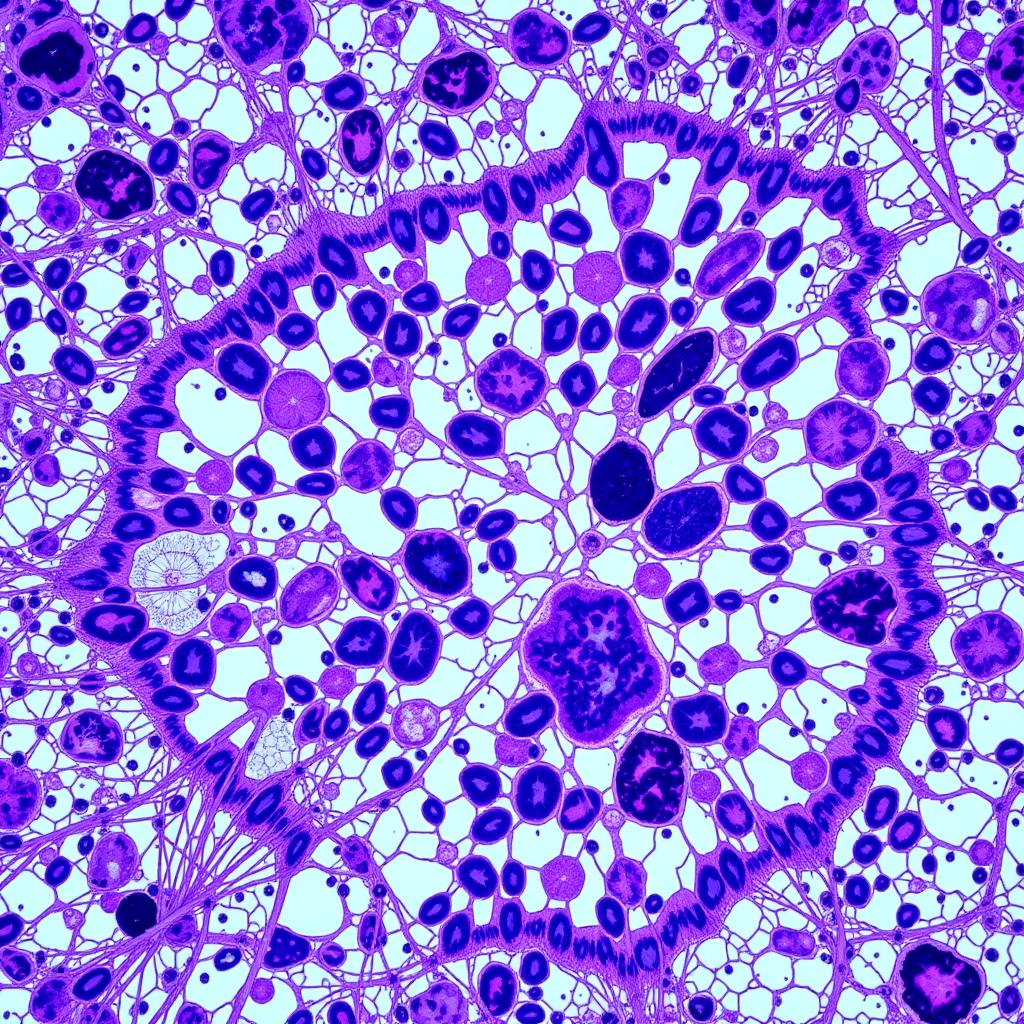
Roche (ROG), a global leader in diagnostics, has agreed to acquire PathAI, a U.S.-based digital pathology startup, for up to $1.05 billion, including an upfront payment of $750 million. This acquisition aims to integrate PathAI's AI-powered diagnostic solutions into Roche's In Vitro Diagnostics portfolio, creating synergy. PathAI's digital platform shortens the time required for cancer tissue image analysis and enhances the ability to identify mutations, thereby improving diagnostic accuracy. The two companies have been partners in Companion Diagnostics development since 2021, and this acquisition will fully internalize their collaboration.
Regulatory Strengths of AI-Based Algorithms
PathAI's strength lies in its AISight Dx digital pathology image management platform, which received FDA 510(k) clearance in June 2025. This platform is the first in the industry to receive approval for a Predetermined Change Control Plan (PCCP), allowing for the expansion of new scanners or devices without additional approvals in the future. Additionally, AIM-NASH, a clinical-stage diagnostic software for Non-Alcoholic Steatohepatitis (NASH), has also received FDA Breakthrough Device designation. This accumulated history of regulatory approvals demonstrates that PathAI's algorithms are ready for implementation in clinical settings, going beyond simple research tools.
Synergy in New Drug Development and Precision Medicine
Roche plans to absorb PathAI into its diagnostics division to enhance its capabilities in personalized cancer drug development and Precision Medicine. In particular, PathExplore technology, which extracts tumor microenvironment features from cancer patient tissue slides, will increase the efficiency of target patient selection for Immune Checkpoint Inhibitor clinical trials. Precise patient selection reduces clinical trial failure rates and significantly reduces new drug development costs compared to acquisition costs. Patients will also be able to quickly find suitable biomarker treatments, significantly improving treatment outcomes.
Market Competition and Business Model
The global Digital Pathology market is projected to grow from approximately $1.46 billion in 2025 to approximately $2.75 billion in 2030, with a compound annual growth rate of 13.5%. Competition for leadership in digital platforms among healthcare device and software companies such as Philips (PHG), Leica Biosystems, and Proscia is intensifying. With this acquisition, Roche aims to build an integrated ecosystem that combines diagnostic equipment and AI analysis software, allowing it to secure a hospital network ahead of its competitors. In the long term, digital pathology is likely to evolve into a high-profit business model that generates recurring revenue through cloud-based analysis fees.
This acquisition, with an upfront payment of $750 million, will enable Roche (ROG) to secure a dominant position in the digital pathology market by acquiring key platform assets, giving it an advantage in the platform leadership battle against competitors such as Philips (PHG) and Proscia. In the short term, it will be able to expand the adoption of digital diagnostic equipment in hospitals through the AISight Dx platform, which has received FDA 510(k) clearance, and generate revenue from cloud-based analysis fees. In the medium to long term, it will actively introduce PathExplore, a tool for analyzing immune cell infiltration patterns, into Roche's immune checkpoint inhibitor new drug development and biomarker-based clinical trials, achieving increased new drug success rates and reduced development costs. This will strengthen Roche's diagnostics division's market share in the global digital pathology market, which is expected to reach $2.75 billion in 2030, and significantly raise barriers to entry.