Study of Combined Exercise and Sensory Training After Nerve Injury
Study Overview
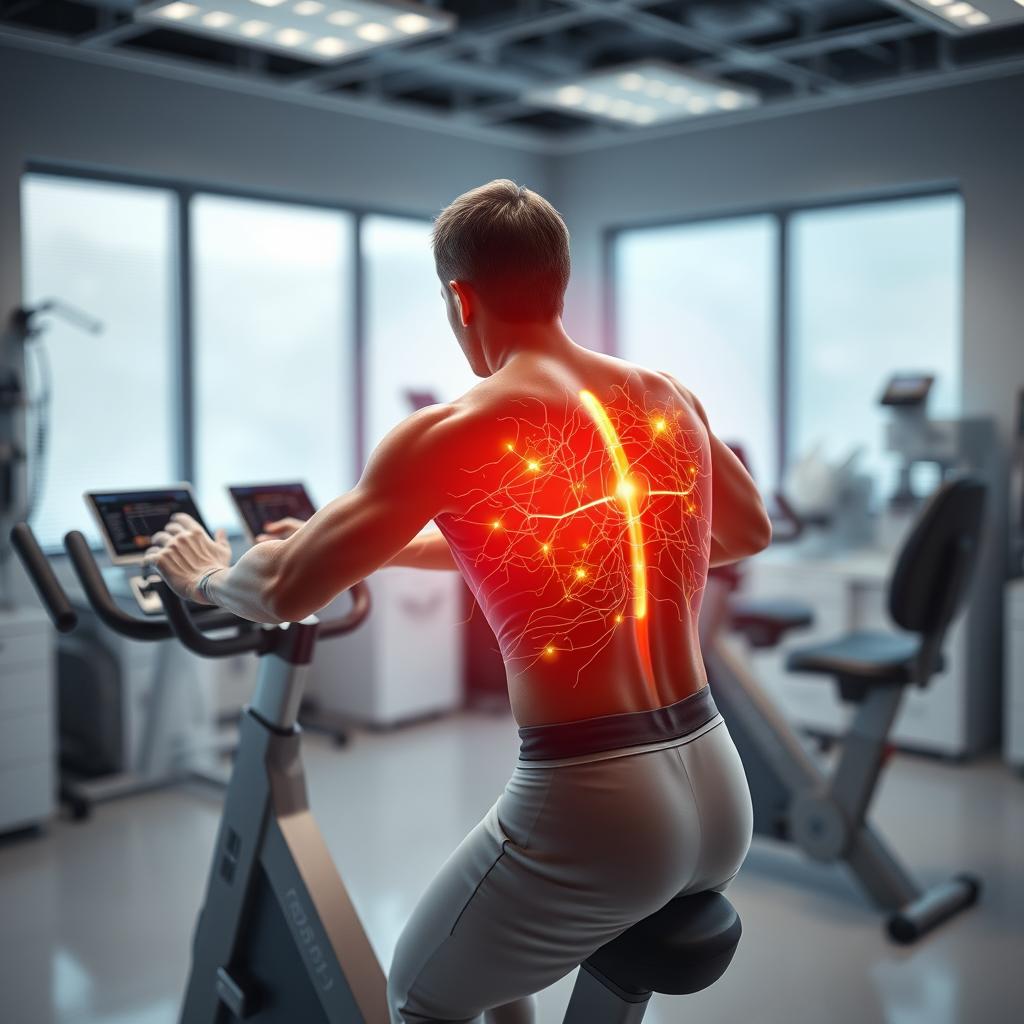
This study, sponsored by the Karolinska Institutet, commenced in March 2025 and is scheduled for completion by the end of 2025. It is a clinical trial enrolling patients with upper‑arm and hand nerve injuries. Participants will undergo a 6‑week program consisting of stationary‑bike exercise for 30 minutes, twice weekly, combined with 5–10 minutes of sensory training. Exercise intensity is set at a moderate level, and blood samples will be collected to assess changes in brain‑derived neurotrophic factor (BDNF) and maximal oxygen uptake (VO2max). The primary endpoints are sensory function, pain scores, and patient‑reported outcomes (PRO).
Background and Mechanism
Existing research indicates that exercise elevates BDNF in the brain, promoting neuronal growth and plasticity. However, the effect of exercise‑induced BDNF on sensory recovery and pain relief in peripheral nerve injury sites has not been demonstrated. Accordingly, this study investigates whether adding exercise to standard sensory training can enhance nerve regeneration and reduce pain.
Primary Objectives and Expected Benefits
The study will evaluate (1) the feasibility of the physical exercise program, (2) participant recruitment and program adherence rates, and (3) the relationship between changes in BDNF and VO2max and improvements in pain and sensory recovery. It also aims to generate foundational data for future large‑scale clinical trials. These pilot results could support the incorporation of a novel non‑pharmacologic option into rehabilitation protocols.
Clinical and Market Impact
If the combination of exercise and sensory training demonstrates a statistically significant reduction in pain and improvement in sensation, it could enhance therapeutic efficiency compared with rehabilitation approaches that rely solely on sensory re‑education. This would create new business opportunities for manufacturers of physical‑therapy equipment, digital‑health platforms, and rehabilitation program developers, aligning with the growing market demand for non‑pharmacologic therapies.
Combining exercise with sensory training as a non‑pharmacologic therapy enhances neuro‑rehabilitation outcomes, thereby increasing the growth potential of the physical‑therapy device and digital‑health markets. The establishment of new clinical evidence in rehabilitation is expected to expand hiring demand and R&D opportunities for related companies.
Source: ClinicalTrials.gov (api_ct)