Tzu Chi Hospital to Evaluate the Efficacy of Far-Infrared and TENS Combination Therapy for Head and Neck Cancer Patients in a Clinical Trial
Subtitle 1: Introducing a Non-Pharmacological Combination Therapy Aimed at Improving Patient Quality of Life
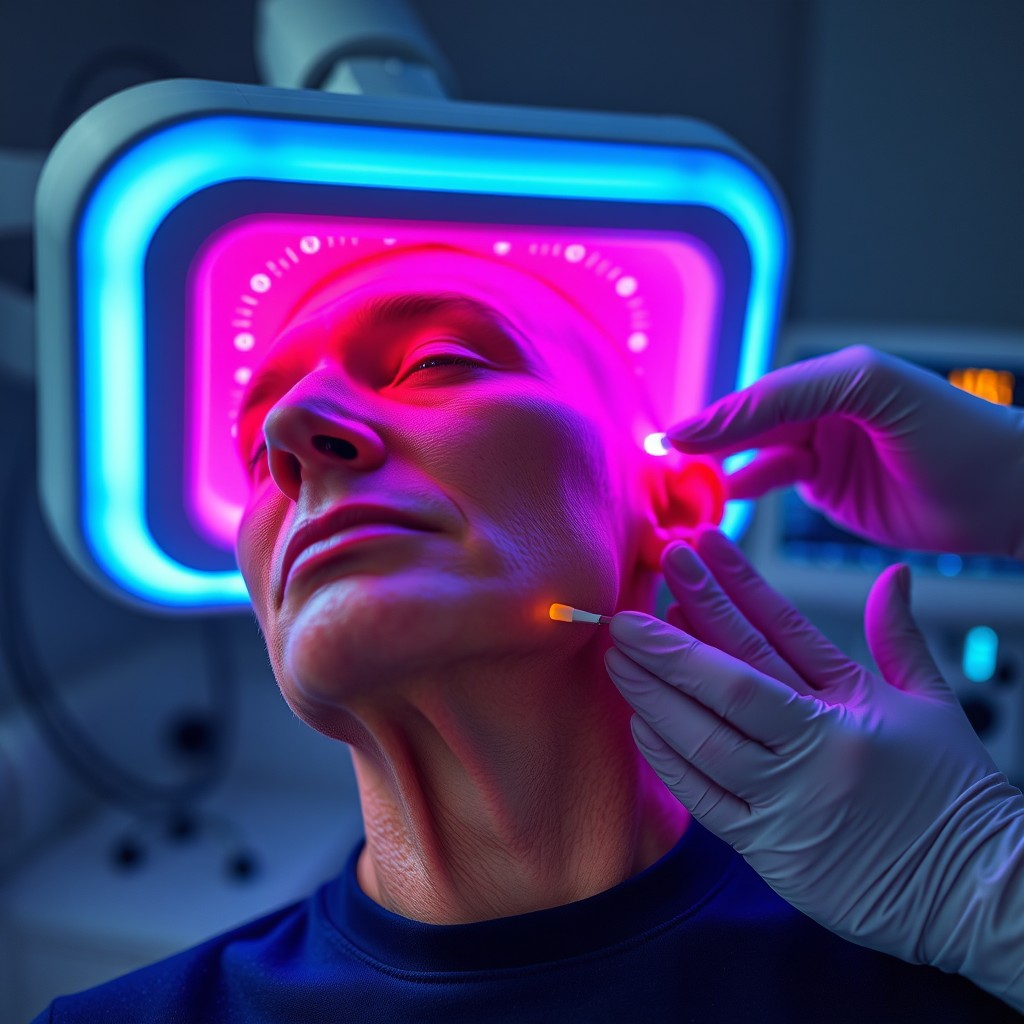
Tzu Chi Hospital in Hualien, Taiwan, has initiated a new, exploratory clinical trial (NCT07689019) to alleviate the severe side effects experienced by head and neck cancer patients undergoing concurrent chemoradiotherapy (CCRT). This trial aims to improve shoulder pain, cervical range of motion (ROM) limitations, and reduced maximum interincisal distance (MID) by combining far-infrared therapy with transcutaneous electrical nerve stimulation (TENS) in patients receiving standard chemoradiation. Damage to normal tissues and fibrosis caused by cancer and radiation therapy significantly impair patients' daily lives, making non-invasive interventions using physical stimulation an attractive alternative.
Subtitle 2: Establishing a Comprehensive Evaluation System with Diverse Assessment Indicators
The research team has adopted a holistic evaluation design that goes beyond simply confirming the reduction of subjective pain. It combines physical functional indicators with biochemical inflammatory markers. The primary outcome measure is the quantitative change in the Shoulder Pain and Disability Index (SPADI) and cervical ROM. Secondary outcome measures include the severity of oral mucositis (based on CTCAE v5.0) and the frequency of chemotherapy-induced nausea and vomiting (CINV). In particular, systemic inflammatory biomarkers such as the neutrophil-to-lymphocyte ratio (NLR) and the platelet-to-lymphocyte ratio (PLR) are also monitored to objectively demonstrate whether the physical therapy actually regulates the immune-inflammatory response. This multidimensional data collection is expected to address the lack of scientific evidence, which has been a limitation of existing medical device-based palliative therapies.
Subtitle 3: Synergizing Traditional Acupuncture and Modern Technology
The uniqueness of this clinical protocol lies in its fusion of traditional East Asian acupuncture principles with Western physical therapy techniques. Transcutaneous electrical nerve stimulation (TENS) is applied by attaching electrodes to major acupuncture points such as Fengchi (GB20), Neiguan (PC6), and Hegu (LI4), while far-infrared (FIR) is directed at the Taichong (LR3) acupoint on both feet. TENS is used to block pain signal transmission (gate control theory), while far-infrared radiation promotes blood circulation and increases deep tissue temperature, activating systemic immune responses. This combination of Eastern medical approaches and advanced healthcare devices has the potential to significantly improve patient compliance by providing a treatment option with minimal side effects.
Subtitle 4: A New Commercial Opportunity in the Cancer Patient Support Device Market
The global market for oral mucositis relief devices and supportive care therapies is currently valued at approximately USD 1.5 billion to 2.0 billion and is projected to grow to USD 4.0 billion by 2035. Given that approximately 90% of head and neck cancer patients experience severe oral mucositis, dysphagia, and neck stiffness during radiation therapy, the unmet medical needs in this area are significant. If the clinical results of Tzu Chi Hospital are positive, it could herald the opening of a home-use medical device market that is cost-effective and can be used repeatedly, compared to expensive chemical drugs. This will expand the paradigm of cancer-related side effect management from a hospital-centered approach to a home-based self-care model, providing new growth opportunities for the healthcare device industry.
This single-center clinical trial (NCT07689019), led by Tzu Chi Hospital in Hualien, Taiwan, evaluates the efficacy of combining far-infrared (FIR) and transcutaneous electrical nerve stimulation (TENS) to alleviate side effects in head and neck cancer patients undergoing chemoradiotherapy. In the global market for oral mucositis and cancer supportive care therapies, which is estimated at USD 1.5 billion to 2.0 billion, non-invasive medical devices used in combination with existing standard drug treatments are expected to be a powerful adjunct to maximize treatment compliance by reducing side effects. In the short term, the key milestone will be the collection of data on the reduction in shoulder pain index (SPADI) and systemic inflammatory biomarkers (NLR, PLR) in this trial, which is scheduled to be completed by December 2026. In the medium to long term, it has the potential to accelerate the paradigm shift in the head and neck cancer supportive medical device market by leveraging its convenience and cost-effectiveness compared to existing low-level laser therapy (LLLT) and other competing palliative technologies. In particular, if this research-driven initiative is successful, it is expected to lead to technology transfer and commercialization partnerships with digital healthcare companies, providing institutional investors with new portfolio opportunities in the medical device field.
Source: ClinicalTrials.gov (api_ct)