Group-Based Cognitive Behavioral Resistance Exercise Study in Head and Neck Cancer Patients
Background
Patients with head and neck cancer experience loss of lean muscle mass and decline in physical function during chemoradiation therapy. These adverse effects markedly reduce quality of life. Standard oncologic treatment focuses on tumor control, while ancillary physical management is often insufficient, creating a growing need for exercise interventions.
Intervention
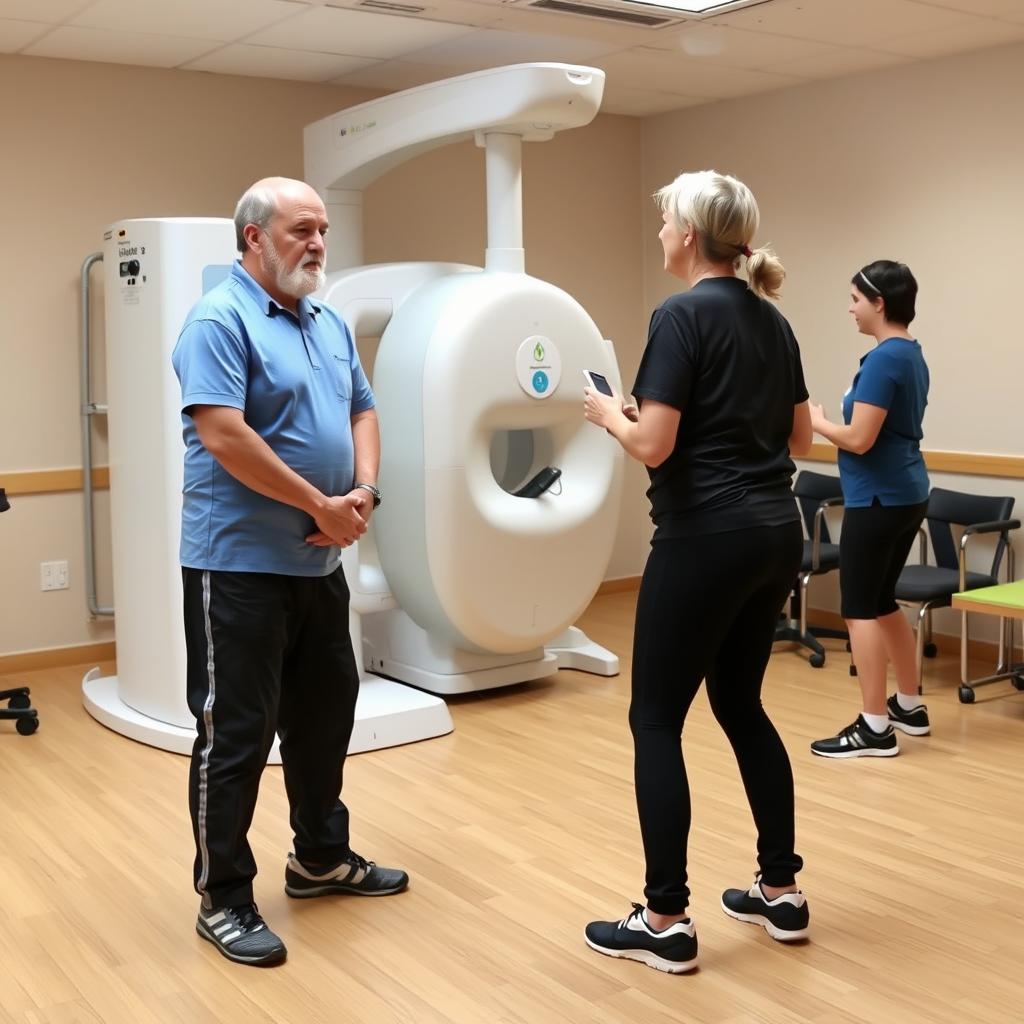
This study implements a group-mediated cognitive behavioral resistance exercise program. Resistance training is supported by evidence showing improvements in muscle mass and body composition. When combined with nutritional counseling and supplementation, a synergistic effect is anticipated. The research team employs group motivation strategies to enhance patient participation and adherence.
Impact on Patients
Concurrent exercise can attenuate muscle wasting and accelerate recovery of physical function. This translates into reduced fatigue during and after treatment, faster return to daily activities, and potentially improved quality of life, which may be linked to long‑term recurrence prevention. The approach could serve as a key example for building patient‑centered integrated care models.
Industrial and Academic Impact
If results are positive, they will provide evidence to incorporate exercise therapy into standard care. Healthcare providers may expand rehabilitation programs, and payers could reassess cost‑effectiveness. Moreover, the collaboration between exercise science and oncology is likely to stimulate new research projects and investment opportunities.
Successful outcomes would add exercise therapy to the management of side effects in head and neck cancer, driving increased demand for rehabilitation services and expanding the related market, thereby enhancing investment appeal. Development and operation of rehabilitation programs, as well as the need for specialized staff in hospitals, will rise, offering valuable information for job seekers and current professionals in the field.
Source: ClinicalTrials.gov (api_ct)