EMA Approves Semglee, a Viatris/Biocon Insulin Glargine Biosimilar
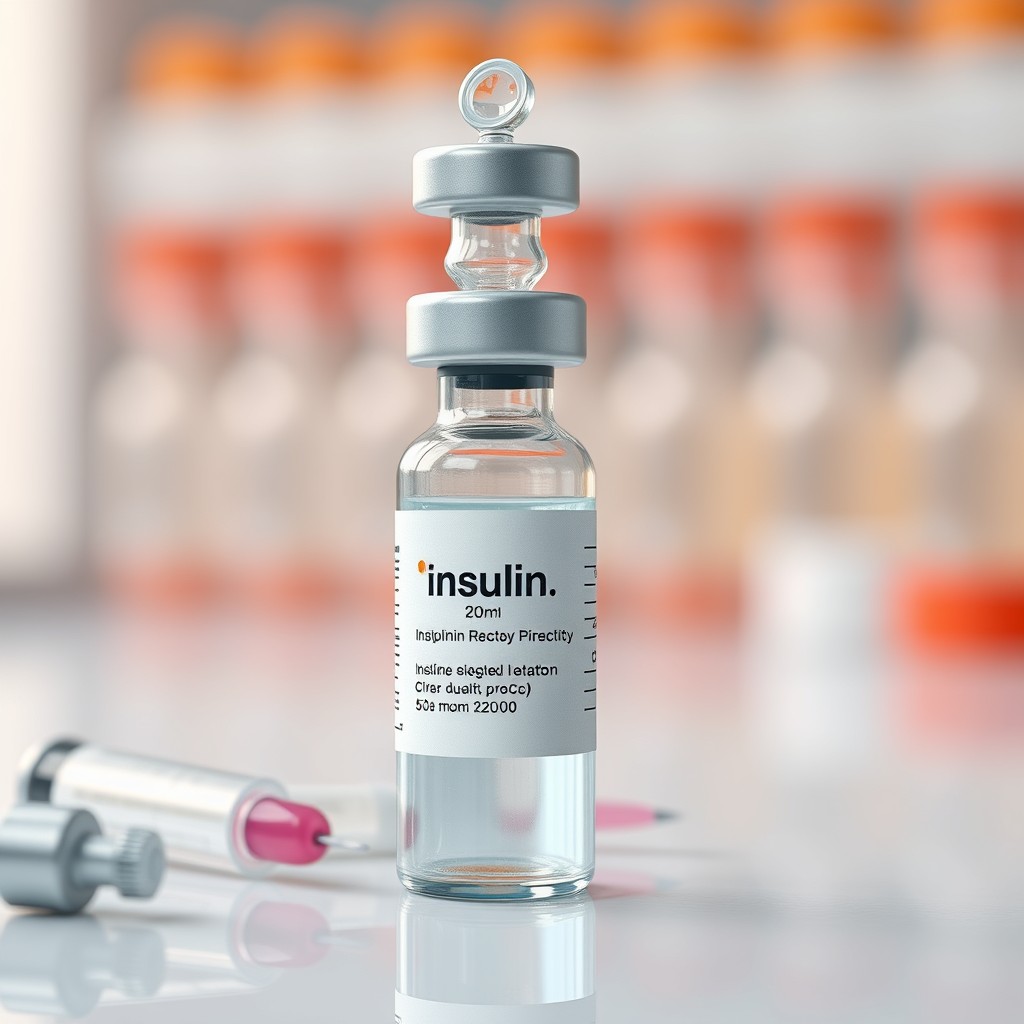
Approval Overview
The European Medicines Agency (EMA), through its Committee for Medicinal Products for Human Use (CHMP), adopted a positive opinion for the marketing authorization of Semglee (insulin glargine) on January 25, 2018, and the European Commission (EC) granted full marketing authorization on March 23 of the same year. Semglee is a biosimilar to Sanofi's (SNY) blockbuster long-acting insulin, Lantus, and is co-developed by Viatris (VTRS, formerly Mylan) and Indian biopharmaceutical company Biocon Biologics (BIOCON.NS). The marketing authorization holder (MAH) is Biosimilar Collaborations Ireland Limited, a joint venture between the two companies. The indication is for the treatment of diabetes mellitus in adults, adolescents, and children aged 2 years and older.
Clinical Data
The key clinical trial supporting the approval compared Semglee to Lantus in 558 patients with type 1 diabetes over a 24-week period. The primary endpoint, change in HbA1c, was 0.14% for the Semglee group and 0.11% for the Lantus group, with no clinically meaningful difference. The safety and immunogenicity profiles were also comparable. These results are significant because they demonstrate that Semglee meets the EMA's criteria for being 'highly similar' to the reference product.
Market Competition
The global insulin glargine market is approximately USD 5.45 billion in 2024, with Sanofi's Lantus holding approximately 42% of the global market share. In Europe, Eli Lilly's (LLY) Abasaglar was the first biosimilar to be launched in 2015 and has penetrated 89% of EU countries. Semglee entered the market in 2019, achieving a 32% market share by 2019, and joined the competition as a later entrant. A study of 28 European countries published in BMJ Open (2013-2023) found that the introduction of biosimilars led to an average 21.6% decrease in the price of Lantus, with discounts of up to 42.3% in some countries.
FDA Interchangeability Designation and Global Expansion
On July 28, 2021, Semglee received the first interchangeable biosimilar designation from the U.S. FDA, marking a historic milestone. Interchangeability allows pharmacists to substitute Semglee for Lantus without a physician's prescription, which significantly increases market penetration. By 2025, Viatris had captured approximately 18% of the global insulin glargine prescription market share with Semglee, forcing Sanofi to implement a defensive strategy of reducing the list price of Lantus in the U.S. by 78%.
Future Outlook
The biosimilar segment is expected to account for more than 30% of the insulin glargine market by 2026, and with the entry of Eli Lilly's Rezvoglar (launched in 2023), price competition will intensify. The global insulin glargine market is projected to grow at a compound annual growth rate of 6.3% to reach USD 2.22 billion to USD 8.48 billion by 2030 (depending on the analysis firm), and Viatris/Biocon are leveraging their interchangeable biosimilar status to further expand their market share.
Insulin glargine is a key treatment for the 500 million people worldwide with diabetes who require long-acting insulin, and the USD 5.45 billion global market is seeing its Sanofi Lantus monopoly being actively dismantled by biosimilars. Semglee's EU approval, coupled with its FDA interchangeable biosimilar designation, demonstrates the commercialization capabilities of the Viatris/Biocon partnership, resulting in an 18% share of the global prescription market by 2025. Sanofi's unprecedented defensive strategy of a 78% price reduction for Lantus signals a restructuring of the entire revenue model for originator insulin manufacturers. With the biosimilar segment expected to exceed 30% of the market by 2026, Viatris (VTRS) and Biocon (BIOCON.NS) are poised for accelerated growth in their diabetes portfolios, while Sanofi's (SNY) Lantus revenue is likely to fall below USD 2.4 billion annually.
Source: EMA (ema)