Ultrasound‑Assisted Catheter Thrombolysis High‑Risk Pulmonary Embolism Clinical Trial
Background
Pulmonary embolism (PE) is a severe condition in which a thrombus forms in the pulmonary artery, causing respiratory distress. Current standard therapies include anticoagulants and thrombolytics, but the optimal treatment strategy remains undefined.
Study Design
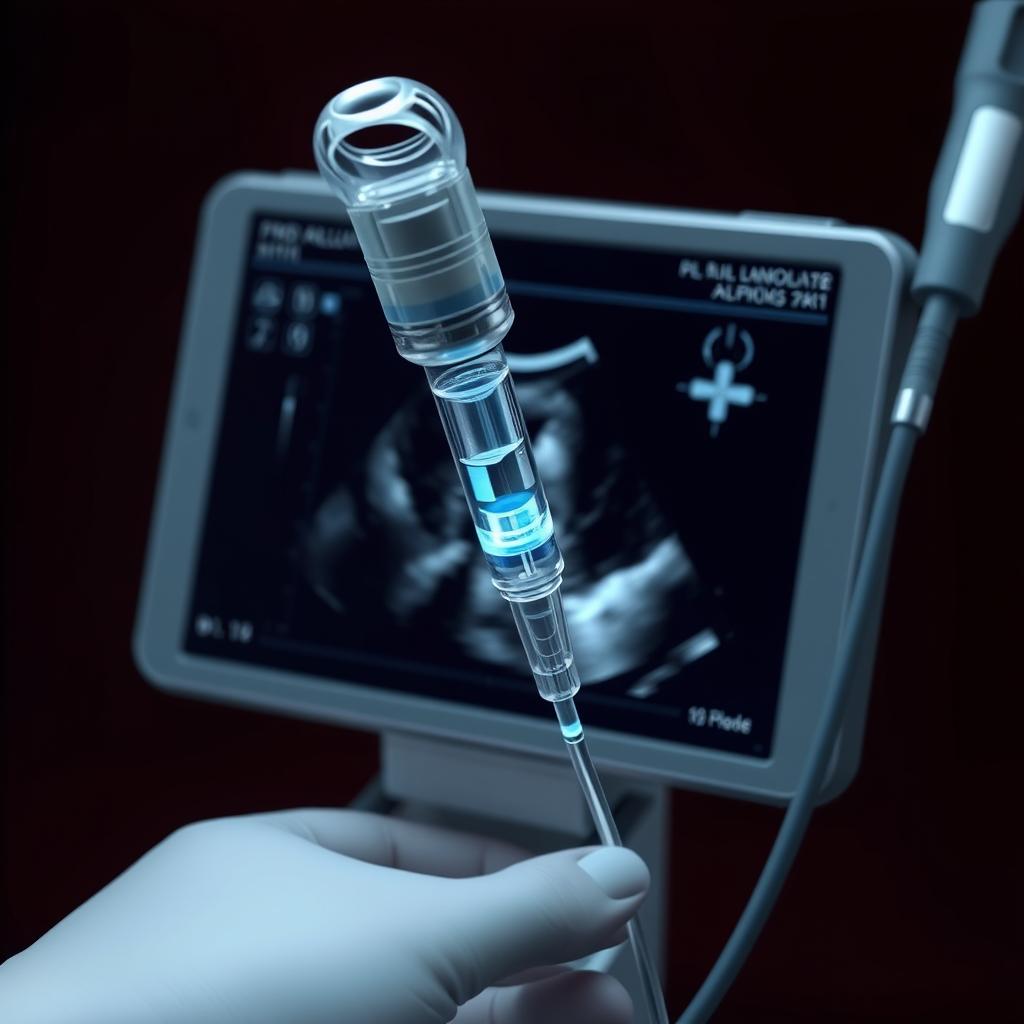
This is a Phase 4, ACTIVE_NOT_RECRUITING trial that commenced on 2021‑08‑02. Patients are randomized 1:1 to receive either anticoagulation alone or anticoagulation combined with the EkoSonic™ device. The primary endpoints—mortality and major complications—are tracked over a 12‑month period, with in‑hospital assessments and follow‑up evaluations at 7 days, 30 days, 6 months, and 12 months.
Expected Benefits
Ultrasound‑assisted catheter thrombolysis may accelerate clot dissolution while allowing lower drug dosages, thereby reducing bleeding risk and accelerating patient recovery.
Market Impact
Boston Scientific holds a strong portfolio in the medical‑device sector. Positive trial outcomes could drive rapid adoption of the EkoSonic™ system and expand the overall market for ultrasound‑guided catheters.
Investment Implications
Stakeholders should closely monitor trial progress and the likelihood of regulatory approval. Success could translate into revenue growth and upward pressure on the company’s share price.
This trial evaluates whether ultrasound‑assisted catheter thrombolysis can lower mortality and severe complications compared with anticoagulation alone, potentially boosting Boston Scientific’s sales and share price. For job seekers and industry professionals, participation offers exposure to innovative device development in the high‑risk PE treatment space.
Source: ClinicalTrials.gov (api_ct)