Non‑invasive Donor DNA Blood Test Study for Heart and Lung Transplant Recipients
Background
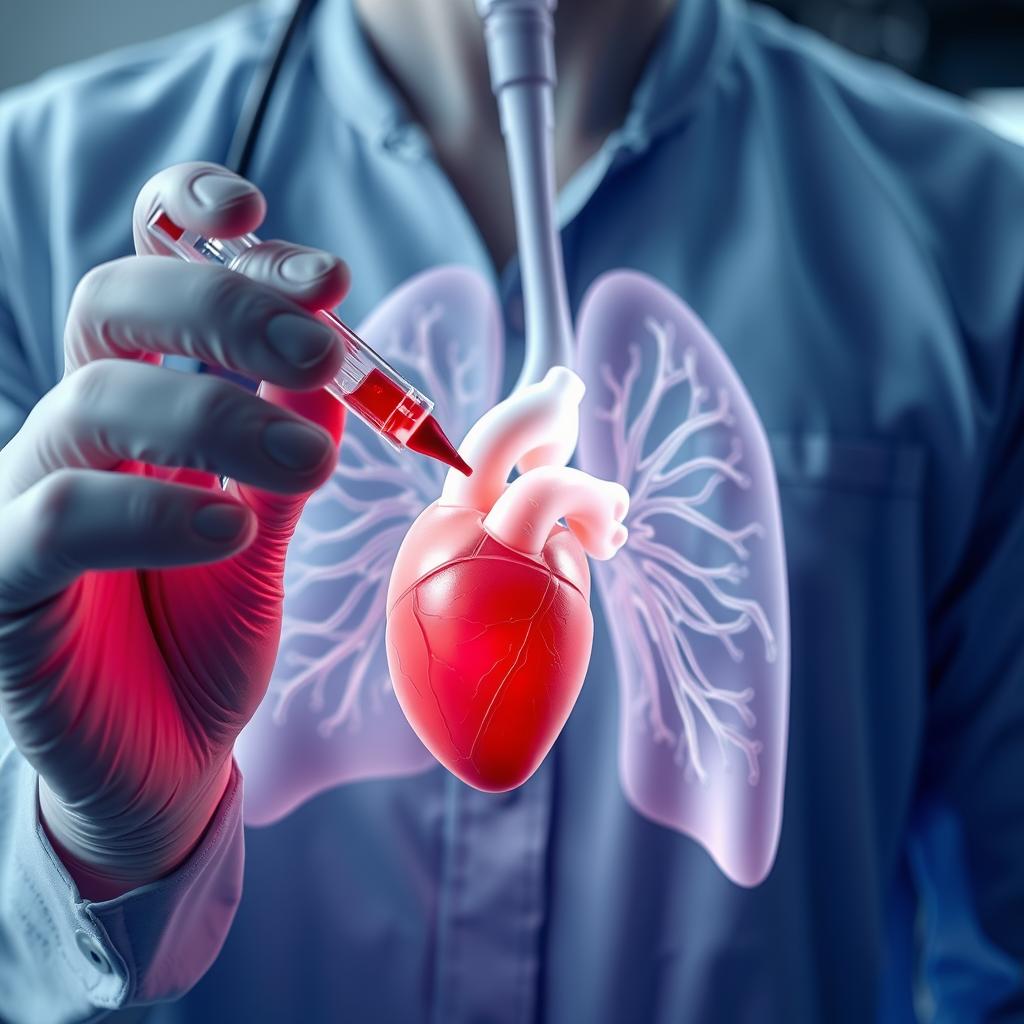
This study develops and validates a non‑invasive blood assay that measures donor DNA in the bloodstream to detect organ rejection early after heart and lung transplantation. Conventional diagnostics rely on tissue biopsies or clinical symptoms, which often identify rejection late and pose significant risk to patients. Consequently, early detection has emerged as a critical objective for improving transplant success rates.
Study Design
The clinical phase is currently RECRUITING. This observational study, initiated on June 25 2015, enrolls heart and lung transplant recipients aged 14 years or older. Participants are within three months post‑transplant and will undergo scheduled blood draws along with additional biological sampling. The primary objective is to elucidate the relationship between donor DNA concentration and the occurrence of rejection.
Expected Impact
An increase in donor DNA levels would indicate imminent rejection, enabling early intervention such as rapid adjustment of immunosuppressive therapy or additional treatment. This approach is expected to minimize organ damage and substantially improve patient survival and quality of life. Moreover, the collected samples can support ancillary research aimed at identifying risk factors for post‑transplant complications.
Commercial Significance
Non‑invasive monitoring technologies are in high demand within the transplant sector, and successful validation could expand the diagnostic‑kit market. In a landscape where blood‑based biomarkers are limited, a new assay that becomes a standard of care would likely stimulate R&D investment and partnerships among relevant companies. As transplant patient‑management protocols evolve, healthcare institutions could also realize improved cost‑efficiency.
Early rejection detection technologies can boost profitability by expanding the diagnostic‑kit market and optimizing immunosuppressant utilization. As research and development intensify in this area, demand for biomarker analysts and clinical‑trial specialists is expected to rise.
Source: ClinicalTrials.gov (api_ct)