Desert Hope under American Addiction Centers launches confidential addiction and mental health treatment program for first responders
Program Launch Background
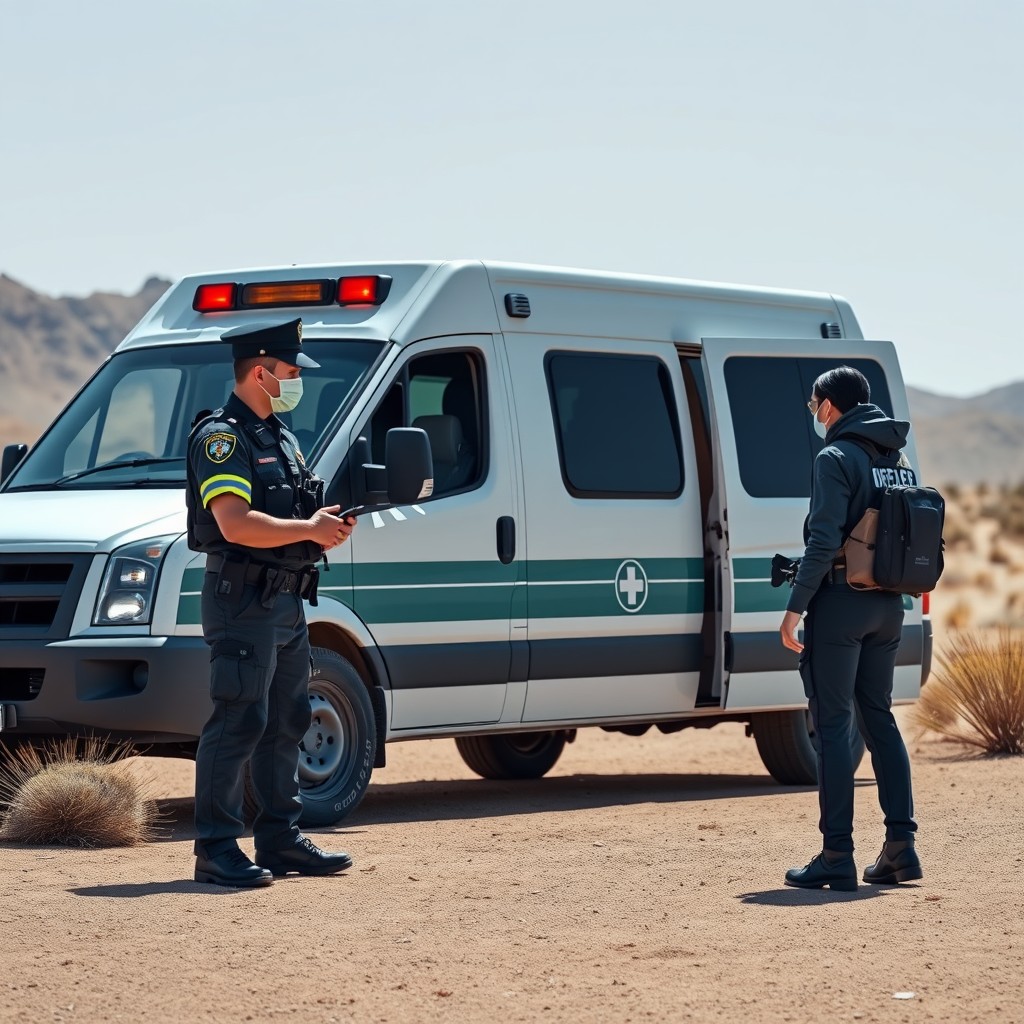
Desert Hope Treatment Center (Las Vegas, Nevada), under American Addiction Centers (AAC), officially launched the 'First Responder Lifeline Program' on June 18, 2026. This program provides confidential addiction and mental health treatment for public safety professionals, including law enforcement officers, firefighters, EMTs, correctional officers, and dispatchers. According to SAMHSA data, approximately 30% of first responders experience behavioral health conditions (such as depression, anxiety, and PTSD) during their careers, significantly higher than the 20% rate in the general population. The program's market timing is well-suited to address the structural issue of stigma preventing these professionals from seeking treatment.
Treatment Model and Differentiation
The program integrates evidence-based addiction treatment with EMDR (Eye Movement Desensitization and Reprocessing), PTSD-specific therapies, and protocols for addressing cumulative trauma and moral injury. A key differentiator is the operation of entirely separate inpatient, living, and dining spaces from the general patient population, along with a privacy system compliant with federal laws. The inclusion of return-to-work support is designed to minimize concerns about career disruption.
Partnerships and Program Credibility
Desert Hope collaborates with the Nevada Department of Public Safety and the Nevada State Police, and has formed a curriculum development partnership with the University of Nevada, Las Vegas (UNLV) School of Social Work. Dr. Kendra Still, wellness program manager for the Nevada State Police, contributed to enhancing the clinical design's field relevance. The public-private collaboration model could serve as a reference for the expansion of similar programs.
Market Context and Competitive Landscape
The U.S. behavioral health market is projected to reach approximately USD 118.1 billion in 2026, growing at an annual rate of 6.5%. Acadia Healthcare (ACHC), the industry's largest operator (USD 3.31 billion revenue in 2025, 277 facilities), already operates a Special Responder Unit (SRU) with a first responder-specific track. However, AAC, which transitioned to a private company after a Chapter 11 restructuring in December 2020, is at a disadvantage in terms of scale and financial transparency compared to Acadia. This program is interpreted as a strategic move to differentiate through niche specialization.
Approximately 30% of U.S. first responders experience behavioral health conditions such as PTSD and depression, and those with PTSD have a suicide attempt risk 10 times higher than the general population (SAMHSA), indicating a structural demand for specialized treatment. In the USD 118.1 billion U.S. behavioral health market, where Acadia Healthcare (ACHC) has already secured a foothold with its SRU program, AAC's attempt to differentiate through a confidential, segregated facility model represents a test of niche strategy. If the public-private collaboration model based on partnerships with the Nevada Department of Public Safety and UNLV proves successful, it could be replicated in other states and facilities, potentially expanding access to behavioral health services and encouraging policy support. However, AAC's financial health and expansion capacity post-Chapter 11 remain key variables affecting the program's sustainability.