Leo Cancer Care Secures $65 Million in Series D Funding to Commercialize Upright Radiation Therapy Device 'Marie'
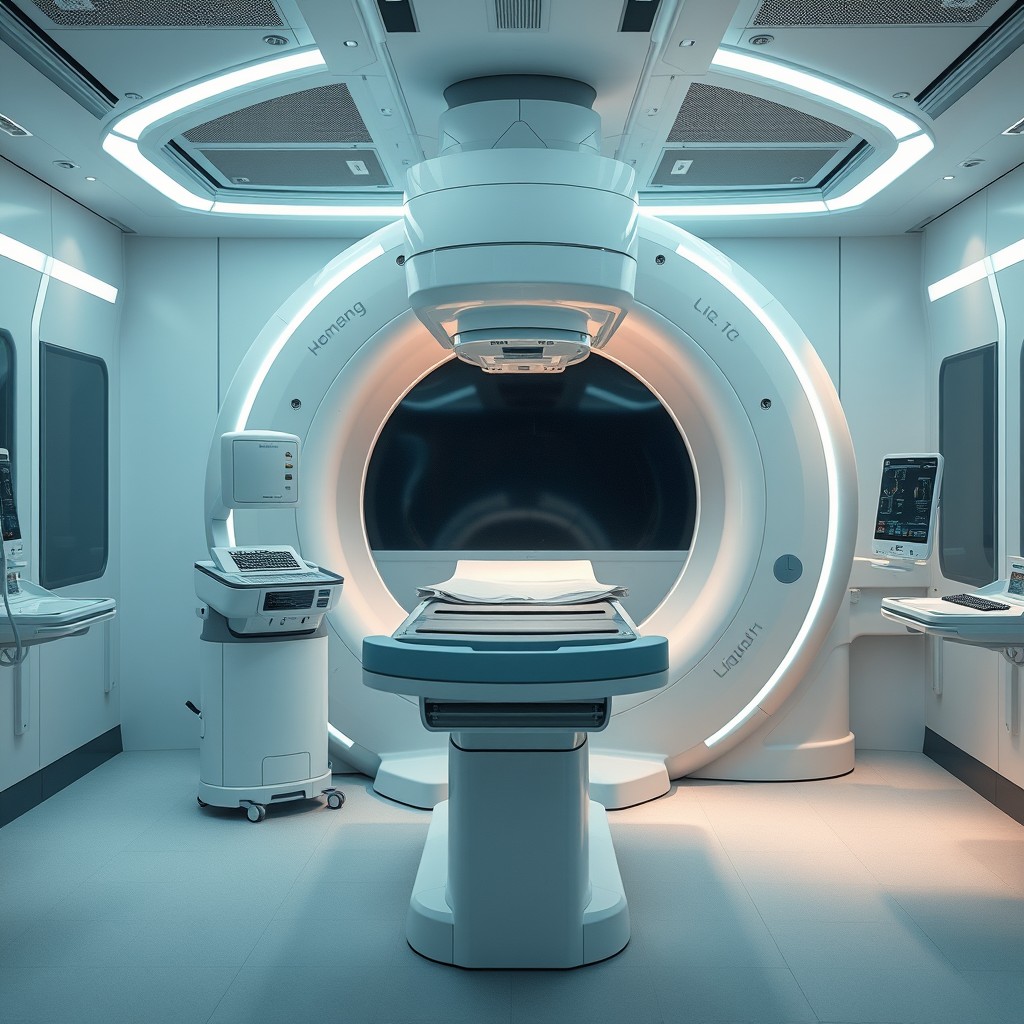
A New Leap in Upright Radiation Therapy Technology
Venture capital firm Leo Cancer Care has successfully completed a $65 million Series D funding round, paving the way for the commercialization of its Upright Radiotherapy System. This round was led by Yu Galaxy, a Silicon Valley venture capital firm, with participation from Eventide Asset Management, bringing the company's total funding to approximately $155 million. Unlike conventional supine treatment methods, the upright technology allows patients to receive treatment in a seated position, minimizing subtle movements of organs during therapy and maximizing precision. This approach not only enhances patient comfort but also offers tangible clinical benefits, garnering significant attention within the industry.
Clinical Validation and Collaboration at Stanford Hospital
This substantial funding follows the successful implementation of the world's first compact upright proton therapy on a pediatric brain tumor patient at Stanford Medicine on June 4, 2026. This treatment combined Leo Cancer Care's upright patient positioning platform, Marie, with Mevion Medical Systems' S250-FIT proton therapy system. The technological collaboration demonstrated that accurate proton delivery to the target tumor can be achieved using a fixed-beam radiation method without the need for a massive gantry. This successful initial case in a clinical setting has enhanced the technology's credibility and is expected to encourage adoption by global medical institutions.
Cost Reduction and Significant Reduction in Barriers to Hospital Adoption
Leo Cancer Care's Marie platform reduces the size and complexity of conventional radiation therapy equipment, offering economic benefits by reducing hospital infrastructure costs by up to 50%. By significantly lowering the initial investment for large proton therapy facilities, which can cost tens of millions of dollars, the company aims to facilitate the provision of advanced cancer treatment services to smaller specialized hospitals. Furthermore, Marie received 510(k) pre-market approval from the U.S. Food and Drug Administration (FDA) on July 25, 2025, and the positioning device, Eve, received approval on May 7, 2024, ensuring regulatory stability. These regulatory achievements and economic advantages will create social value by reducing the financial burden of expensive cancer treatments and expanding treatment opportunities for more cancer patients.
Global Competitive Landscape and Market Expansion Prospects
The global proton therapy market is currently estimated at approximately $1 billion, with major players such as Varian Medical Systems, Elekta, and IBA dominating the market with their supine-based equipment. However, Leo Cancer Care plans to leverage this funding to expand its production capacity and accelerate strategic partnerships with global medical device distributors to quickly capture niche markets. In particular, the Asia-Pacific (APAC) region and Europe, where the aging population is leading to a surge in cancer patients but where budgets for large proton therapy facilities are limited, will be key target markets. Ultimately, this Series D funding represents a turning point for Leo Cancer Care as it evolves into a commercial manufacturing company that will lead the paradigm shift in the global radiation therapy market.
This $65 million Series D funding round marks a significant milestone for Leo Cancer Care's Marie platform, signaling its expansion into the large-scale proton therapy market. In the short term, based on the successful pediatric cancer patient treatment record at Stanford Medicine, the company is expected to actively pursue additional equipment supply contracts with global cancer centers and major university hospitals. In the medium to long term, by reducing the initial investment cost by more than 50% compared to existing IBA and Varian supine-based equipment, the company will fundamentally lower the barriers to entry in the global proton therapy market, which is estimated at approximately $1 billion. The fact that Eve received FDA 510(k) approval in 2024 and Marie in 2025 means that regulatory uncertainties in the clinical and commercialization stages have been eliminated, providing venture capital investors with an attractive basis for exit strategies.