NIAID Launches Phase 1 Human Challenge Trial for Dengue Virus Using 'rDEN2delta30-7169'
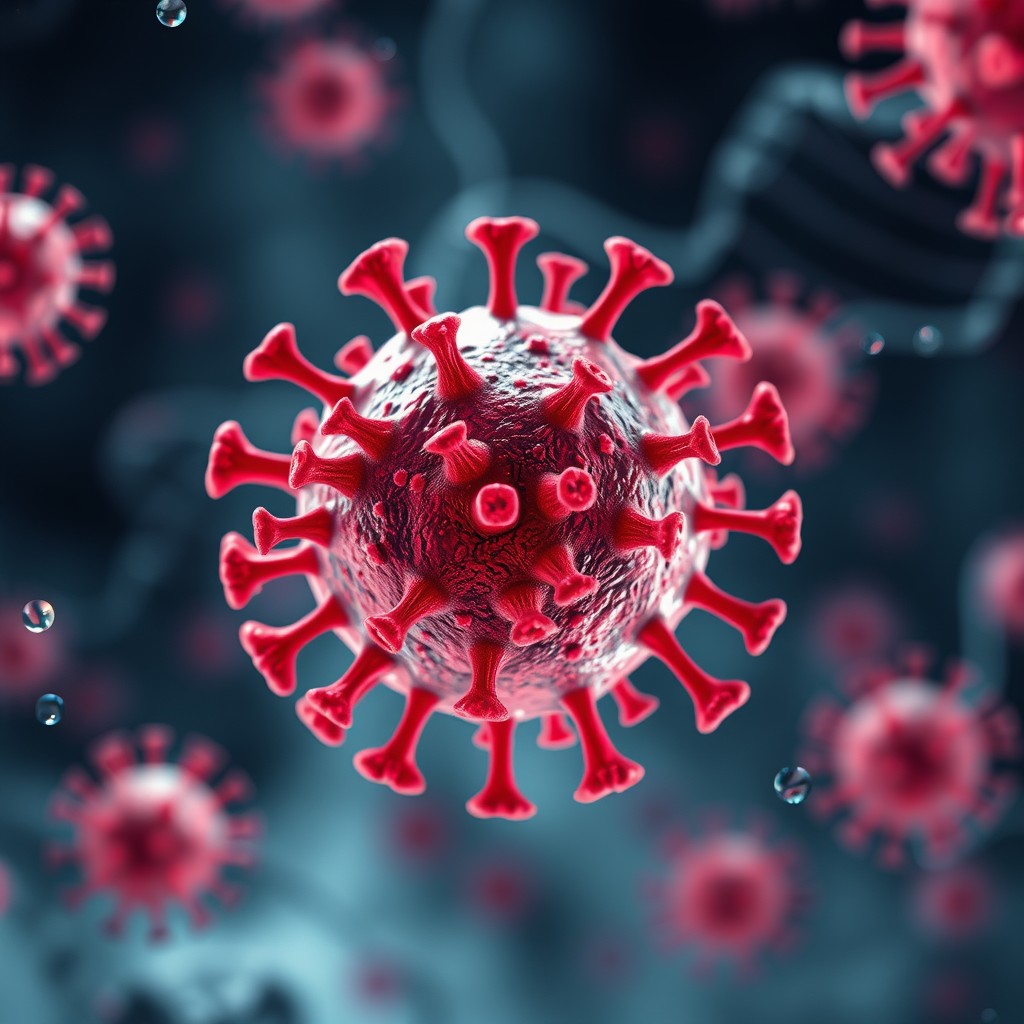
Accelerating Dengue Treatment Development Through Human Challenge Model
Dengue virus infection affects hundreds of millions worldwide annually, yet there remains a significant unmet medical need for approved curative antiviral treatments. The Phase 1 clinical trial, led by the National Institute of Allergy and Infectious Diseases (NIAID), employs a human challenge model, involving the administration of a weakened viral variant, rDEN2delta30-7169, to healthy adults. This strategic approach aims to overcome the limitations of traditional observational studies of natural infections, which can take years, and to rapidly elucidate the virus's pathogenesis and early immune responses in a controlled environment. The researchers aim to generate high-value data that can significantly shorten the development timeline for therapeutics and next-generation vaccines.
Uncovering Novel Drug Targets Through Host-Pathogen Interaction Analysis
A key objective of this study is to precisely analyze the complex host-pathogen interactions between the human host and the dengue virus at the cellular and molecular levels. Specifically, the study will compare individuals with prior dengue infection history with those who are naive to infection, tracking cross-reactive immune responses between serotypes and pathological immune hyper-reactivity. The immunological profile data generated will facilitate the identification of novel antiviral targets that can block the virus's entry into the body and its intracellular replication mechanisms. This provides an opportunity to gain a comprehensive understanding of the immune system's defense mechanisms, going beyond conventional serological analyses.
Precise Monitoring of the Microenvironment at the Lymph Node and Bone Marrow Levels
Unlike previous studies that primarily focused on peripheral blood tests, this trial includes invasive but precise tissue biopsy procedures, such as lymph node aspiration and bone marrow biopsy. This is to directly assess the actual impact of the virus on the microenvironment of lymphoid tissues and bone marrow, where immune cell maturation and differentiation occur. In particular, it provides essential information for elucidating the cellular mechanisms of bone marrow suppression and antibody-dependent enhancement (ADE) observed during dengue infection. This high-resolution in vivo data will be a valuable research asset that global pharmaceutical companies will find difficult to obtain exclusively.
Innovative Clinical Design Balancing Safety and Efficacy
Human challenge trials prioritize the safety of participants; therefore, the study uses a recombinant variant, rDEN2delta30-7169, in which 30 nucleotides in the 3' UTR region have been deleted, significantly attenuating its toxicity, rather than the wild-type virus. Clinical trial participants will be closely monitored with thorough ultrasound imaging and rigorous safety protocols, with adverse event rates tracked in real-time. The clinical data will be tracked and obtained through the ClinicalTrials.gov API v2 and is designed to generate reliable data while ensuring useful clinical endpoints can be derived in a safe manner. As a result, this trial is expected to lay the foundation for transforming the paradigm of global dengue prevention and new drug development by generating highly reliable data.
The global dengue treatment and vaccine market is estimated at approximately $2.2 billion in 2026 and is projected to grow rapidly to $4 to $9 billion by 2035 due to the expansion of infection areas caused by global warming. Currently, the market is dominated by Sanofi's 'Dengvaxia' and Takeda's 'Qdenga,' but both have safety issues and limitations in efficacy, making the clinical progress of next-generation pipelines, such as NIAID's tetravalent vaccine candidate 'TV003,' crucial. This Phase 1 human challenge trial (NCT07706686), initiated in late July 2026 and scheduled to run until 2029, will be monitored based on the ClinicalTrials.gov API v2 and will conduct a detailed comparative analysis of the immunogenicity and replication profile of the attenuated DENV-2 variant 'rDEN2delta30-7169' in 200 subjects. The high-resolution lymph tissue and bone marrow data generated in this trial will elucidate the mechanism of antibody-dependent enhancement (ADE) that occurs after vaccination, significantly reducing the trial-and-error process in the development of next-generation antiviral therapies. As a result, the acquisition of this basic immunological data will serve as a key milestone in enhancing the clinical design and technology transfer potential of companies with dengue target pipelines.
Source: ClinicalTrials.gov (api_ct)