Podcast on Closing Cancer Treatment Gaps
Role of Community Oncology
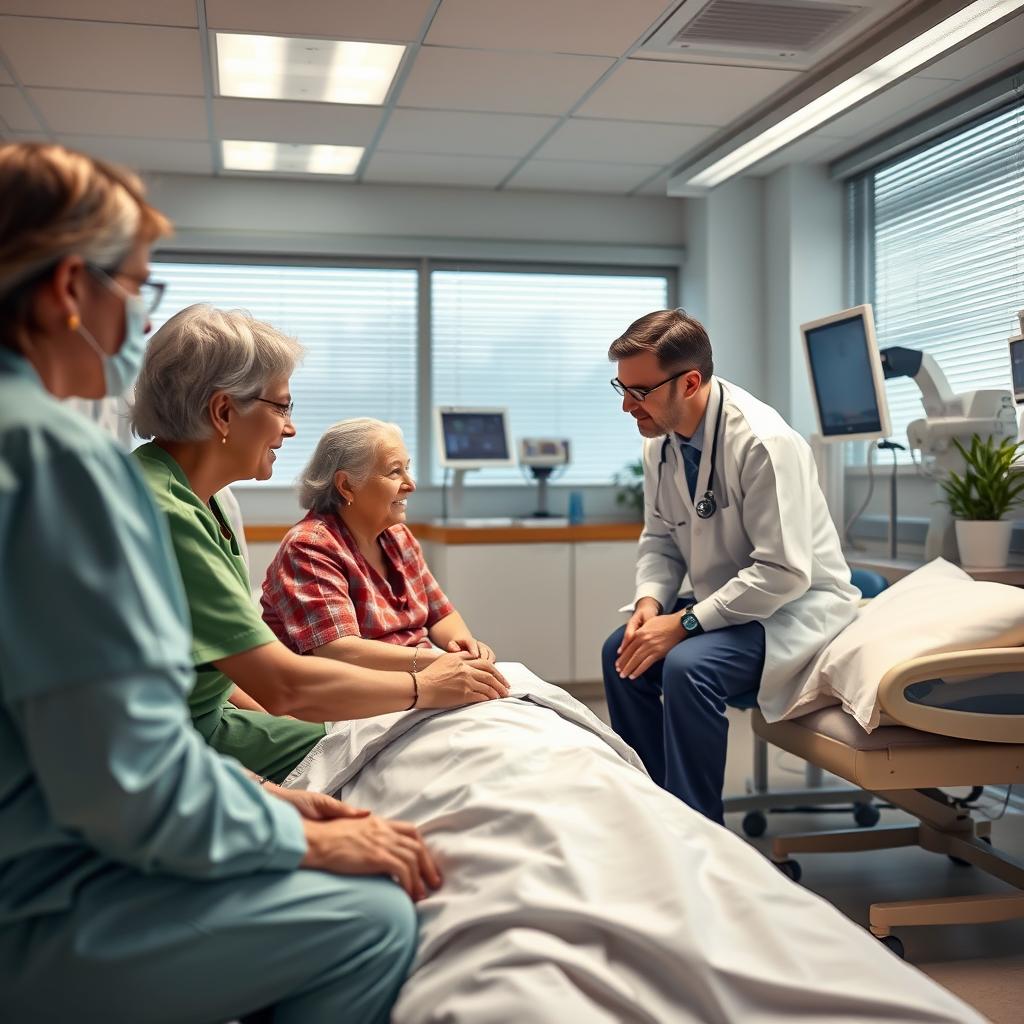
Community oncology plays a pivotal role in the U.S. healthcare system. By enabling patients to receive cancer care near their residence, it enhances accessibility and ensures continuity of treatment. This is critical because it directly impacts patient satisfaction and therapeutic outcomes.
Need to Support Growth and Autonomy
Recent policy shifts and insurance restructuring have heightened financial pressures on community oncology clinics. In this environment, supporting clinic growth and autonomy is essential to delivering sustainable care to patients. When autonomy is secured, clinics can optimize care processes and rapidly adopt new therapeutic options.
Impact on Patients and Providers
Strengthening community oncology allows patients to receive high-quality care without long-distance travel, reducing the risk of treatment interruption. For providers, it enables close relationships with the local community while efficiently managing patient data. This enhances overall treatment efficiency and contributes to cost savings.
Implications for the Industry
The growth of community oncology signals an important market trend for pharmaceutical and biotech companies. Participant recruitment for clinical trials is likely to expand regionally, and post-launch adoption of new drugs can occur more swiftly. Consequently, companies should reassess collaboration models with local clinics.
Future Outlook and Strategic Challenges
Going forward, community oncology is expected to integrate digital health and telemedicine technologies to deliver more efficient care. However, regulatory uncertainty and financing mechanisms remain unclear, necessitating ongoing policy monitoring and investment-attraction strategies.
The expansion and autonomy of community oncology broaden regional treatment infrastructure and accelerate clinical trial enrollment, thereby increasing the commercialization pace for biotech companies and improving investment returns. Consequently, job seekers and current professionals aiming to enter the cancer-care field must strengthen their collaboration capabilities with local clinics.
Source: BioPharma Dive (rss)
https://www.biopharmadive.com/spons/podcast-closing-the-distance-in-cancer-care/816089/