Expanding the Supply Strategy for Corticosteroids and Hormone Therapeutics
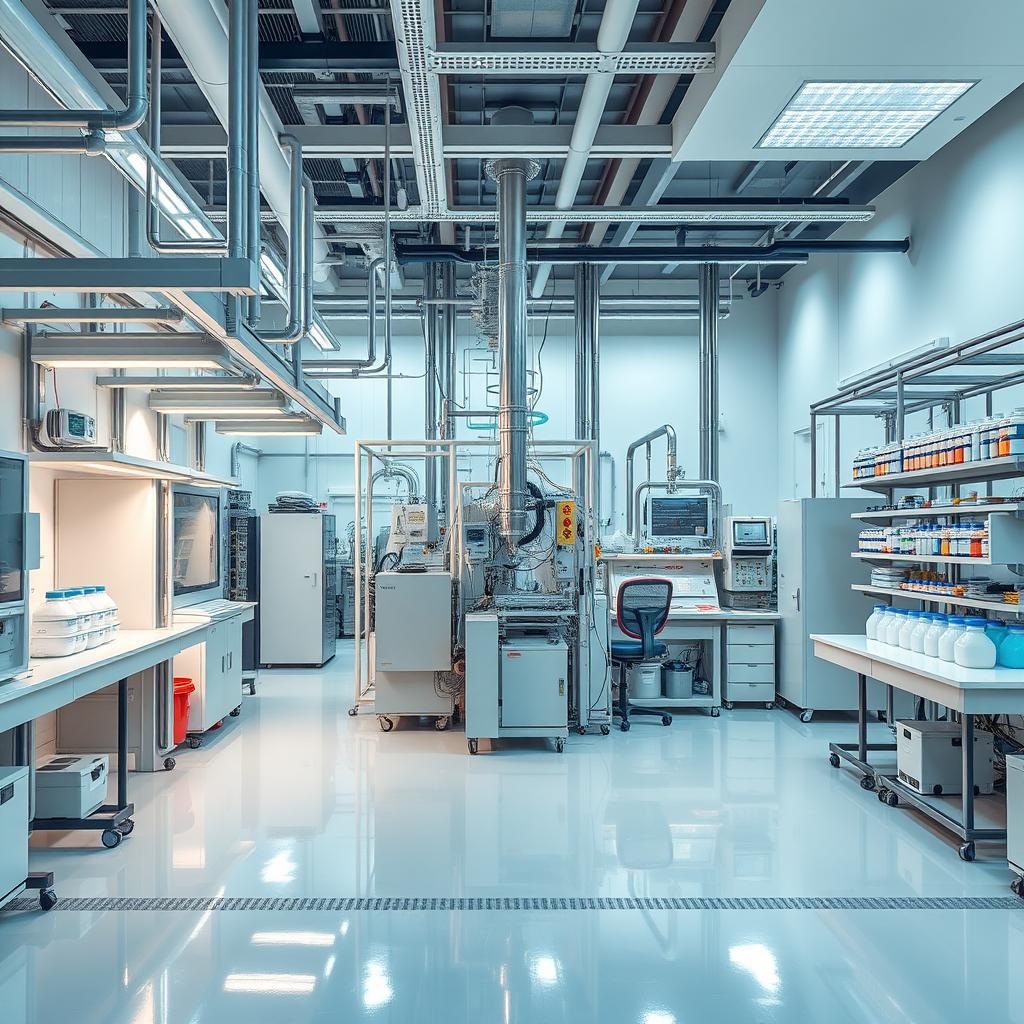
Background of Supply Expansion
Today, the demand for corticosteroids and hormone therapeutics, which are essential for treating various diseases such as asthma, autoimmune diseases, diabetes, and endocrine disorders, is rapidly increasing. The urgent need to expand the production capacity of active pharmaceutical ingredients (APIs) stems from the limitations of existing production lines and the rising prices of raw materials. As a result, companies are accelerating investments to stabilize supply chains and expand production scale.
Technological Innovation and Production Efficiency
The introduction of advanced process technologies and automated equipment is significantly improving production efficiency. For example, continuous flow reaction processes can minimize raw material loss and ensure consistent quality compared to batch processes. This technological innovation not only reduces costs but also lowers the barriers to market entry.
Changes in Market Competition
Global pharmaceutical companies and biotech startups are actively entering the API market, intensifying competition. In particular, with stricter regulatory standards for supplying high-quality corticosteroids in Europe and North America, production facilities with quality certifications are gaining a competitive advantage. This presents both a challenge and a new growth opportunity for existing suppliers.
Impact on Patients and the Healthcare System
Stabilizing the supply contributes to ensuring the continuity of patient treatment and reducing treatment costs. In particular, for hormone therapies that require long-term use, the risk of treatment interruption increases when there is a shortage of raw materials, making the establishment of a stable supply chain essential. Therefore, it is expected to have a positive impact on improving the overall efficiency of the healthcare system.
Expanding the supply of corticosteroids and hormone therapeutics APIs enhances production cost reduction and quality stability, thereby increasing investment returns. Building a stable supply chain expands the demand for personnel at manufacturing sites and provides good opportunities for professionals with regulatory compliance capabilities.