St. Jude Children's Research Hospital Launches Clinical Trial to Diagnose Sarcopenia in ALL Survivors Using MRI and MRS
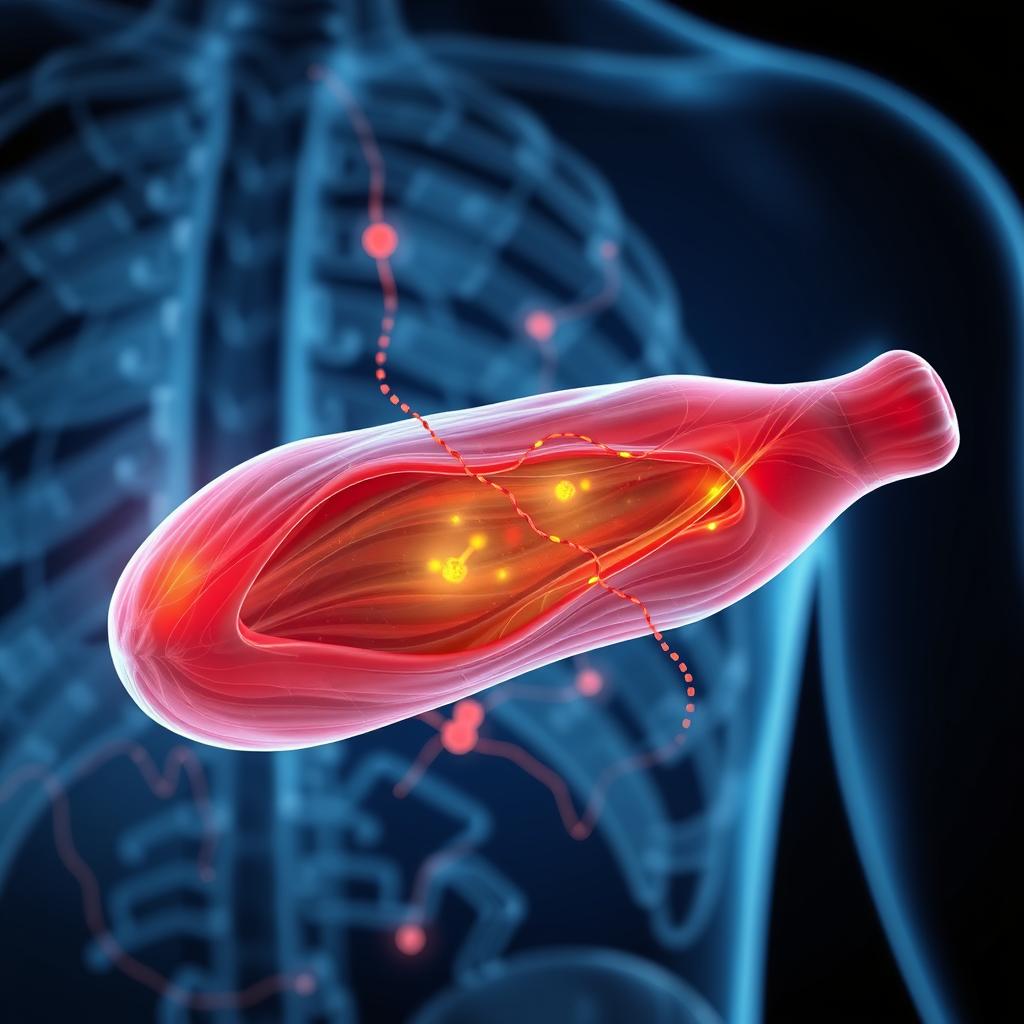
Sarcopenia: A Threat to the Quality of Life for Pediatric Cancer Survivors
Children who have survived acute lymphoblastic leukemia (ALL) often experience significant muscle weakness and sarcopenia as adults, leading to physical frailty. This is a long-term side effect of the high-dose chemotherapy and radiation therapy used in cancer treatment. St. Jude Children's Research Hospital has designed a clinical trial involving 60 ALL survivors to track skeletal muscle health, addressing this unmet medical need. Muscle loss not only affects daily life but also increases the risk of metabolic diseases and early mortality, making early diagnosis and understanding the underlying mechanisms crucial.
Mitochondrial OXPHOS and Satellite Cells: Key Roles
This study simultaneously analyzes mitochondrial oxidative phosphorylation (mtOXPHOS) function, which generates energy within muscle cells, and the content of satellite cells, which act as muscle stem cells. The researchers aim to verify the hypothesis that cytotoxic agents used in cancer treatment induce mitochondrial DNA (mtDNA) and epigenetic changes in muscle cells, impairing muscle regeneration. They plan to combine non-invasive magnetic resonance spectroscopy (MRS) and magnetic resonance imaging (MRI) to precisely measure the energy metabolism efficiency of the calf muscle. This innovative approach visualizes muscle dysfunction at the molecular level, revealing the causal relationship between metabolic disorders and cell death.
Clinical Design Utilizing Advanced Imaging Techniques
This clinical trial will enroll 60 participants (30 ALL survivors and 30 controls) in a controlled study. Participants will undergo 31P-MRS and 1H-MRS examinations, which track changes in phosphorylated metabolites in real-time after exercise. In addition, muscle biopsies and ultrasound examinations will be performed in conjunction to compare biochemical values and physical indicators, maximizing diagnostic accuracy. The trial, which began in June 2025, is currently recruiting patients and is expected to be completed by January 2028.
Potential for Innovation in the Sarcopenia Diagnosis and Treatment Market
The global sarcopenia treatment and diagnosis market is a high-potential market, expected to grow from approximately $3.1 billion (USD) in 2025 to over $5 billion in the mid-2030s due to the aging population and the increasing number of survivors. The muscle metabolism biomarkers identified in this study can be used as a key tool for early evaluation of the efficacy of potential sarcopenia treatments. In the current situation where there are no effective treatments, this high-resolution imaging technology will reduce the cost of new drug development and increase efficiency, bringing positive effects to the healthcare industry as a whole.
This clinical trial, led by St. Jude Children's Research Hospital, is a precision diagnostic study involving a total of 60 participants to elucidate the fundamental mechanisms of sarcopenia, a life-threatening late-stage side effect that occurs after pediatric cancer remission, using cutting-edge magnetic resonance imaging techniques such as 31P-MRS and 1H-MRS. The global sarcopenia market, estimated at approximately $3.1 billion in 2025, has significant unmet needs due to the lack of standard drug treatments, and the energy metabolism biomarkers established in this trial will become a key indicator for validating future pipelines. While TNF Pharmaceuticals' MYMD-1 and Biophytis' BIO101 are in clinical trials, the lack of precise non-invasive methods for evaluating treatment efficacy has delayed the approval of new drugs. If the mitochondrial metabolic activity data from this study is obtained, collaborative research with global bio companies that are promoting the development of treatments based on metabolic regulation mechanisms can be activated. In the medium to long term, it is expected to contribute to the revitalization of the healthcare new drug market by establishing objective diagnostic criteria that can prevent early aging in pediatric leukemia survivors.
Source: ClinicalTrials.gov (api_ct)