FDA CDER Supports Bioventures in Accelerating New Drug Development and Clinical Trial Approvals through the Small Business Innovation Research (SBIR) Program
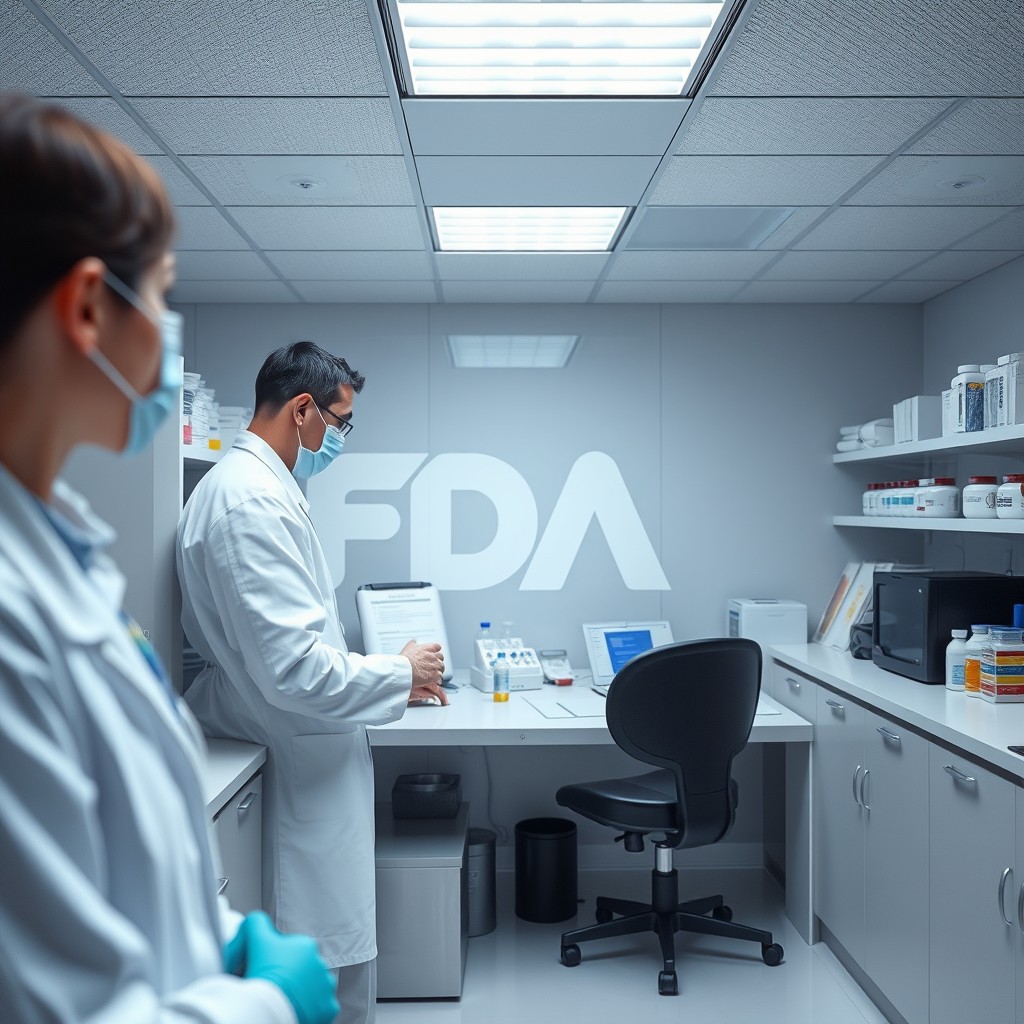
Reducing Regulatory Barriers through the Small Business Innovation Research (SBIR) Program
The Small Business Innovation Research (SBIR) program, operated by the FDA's Center for Drug Evaluation and Research (CDER), serves as a crucial resource for resource-constrained bioventure companies, reducing regulatory hurdles. With emerging and small biotech companies now accounting for approximately 55% of new drug approvals in the United States, their role has become increasingly significant. However, complex regulatory procedures still pose a major challenge. This program helps small companies clearly understand the legal guidelines required during the human drug development process. By doing so, it supports startups, which often lack dedicated regulatory affairs personnel compared to large pharmaceutical companies, in establishing the correct development direction from the early stages.
Resolving Regulatory Uncertainty and Protecting R&D Asset Value
The program significantly contributes to preventing critical design errors that may occur during the Investigational New Drug (IND) or New Drug Application (NDA) process. If a bioventure fails to meet clinical trial design or Chemistry, Manufacturing, and Controls (CMC) requirements and receives a Complete Response Letter (CRL), it can severely impact the company's survival. The SBIA provides real-time access to the electronic Common Technical Document (eCTD) submission standards and the latest regulatory guidelines, preventing unnecessary cost waste and clinical delays. Proactively controlling regulatory uncertainty is the most reliable way to protect the value of a new drug pipeline.
Strengthening Support for the Entire Clinical Trial Process and Educational Programs
The Generic Drug Forum (GDF) and the Ordinary Monograph User Fee Act (OMUFA) briefing, recently held, are prime examples of opportunities for small developers to directly benefit from regulatory support. This educational support helps bioventures efficiently overcome the various challenges they face from Phase 1 clinical trials to marketing approval. Companies that accurately understand and prepare for the FDA's regulatory philosophy can not only increase the clinical success rate of their pipelines but also shorten the time required to obtain global approvals.
Promoting Venture Capital Investment and Increasing Transaction Attractiveness
From a capital market perspective, the activation of these regulatory support programs also serves as a positive signal for venture capital (VC) investment decisions. Companies with reduced regulatory uncertainty are more likely to secure favorable contract terms, such as upfront payments and milestone payments, in licensing-out transactions. In the critical funding stage that determines the survival of bioventures, compliance with FDA regulatory guidelines is an important criterion for evaluating investment risk. Therefore, companies that effectively utilize SBIA resources tend to receive higher valuations in the market.
Fostering an Innovative Bio Ecosystem and Addressing Unmet Needs
Ultimately, this program serves as a bridge that maintains the innovative momentum of the global bio ecosystem and provides patients with faster access to treatment. When innovative startups can enter the market quickly without being hindered by regulatory barriers, the diversity and competitiveness of the entire healthcare industry can be strengthened. The structure in which a close communication channel between small biotechs and regulatory agencies is constantly maintained contributes significantly to accelerating the launch of new drugs and addressing unmet medical needs.
The FDA SBIA program acts as a practical indicator that minimizes regulatory trial-and-error costs and improves the efficiency of capital expenditure for small biotechs across the entire new drug development cycle. By reducing clinical delays and Complete Response Letter (CRL) risks faced by bioventures, which account for more than 55% of new drug approvals in the United States, from Phase 1 to market approval, it improves R&D productivity in the medium to long term. From an investor's perspective, a portfolio company's compliance with FDA regulatory guidelines is a key risk management factor that determines valuation and the size of non-refundable upfront payments in licensing (L/O) transactions. For researchers and industry professionals, it provides an opportunity to acquire advanced regulatory knowledge, such as the FDA's Chemistry, Manufacturing, and Controls (CMC) requirements and electronic Common Technical Document (eCTD) standards, early on, enabling them to accelerate market entry compared to competing pipelines. In the long term, it is a significant institutional foundation that increases the survival rate of small developers with innovative platform technologies, promotes mergers and acquisitions (M&A) with large pharmaceutical companies (Big Pharma), and reshapes the competitive landscape of the overall therapeutic market.
Source: FDA Drug Approvals (rss)