Bladder Cancer Microdevice Drug Screening Clinical Trial Initiated
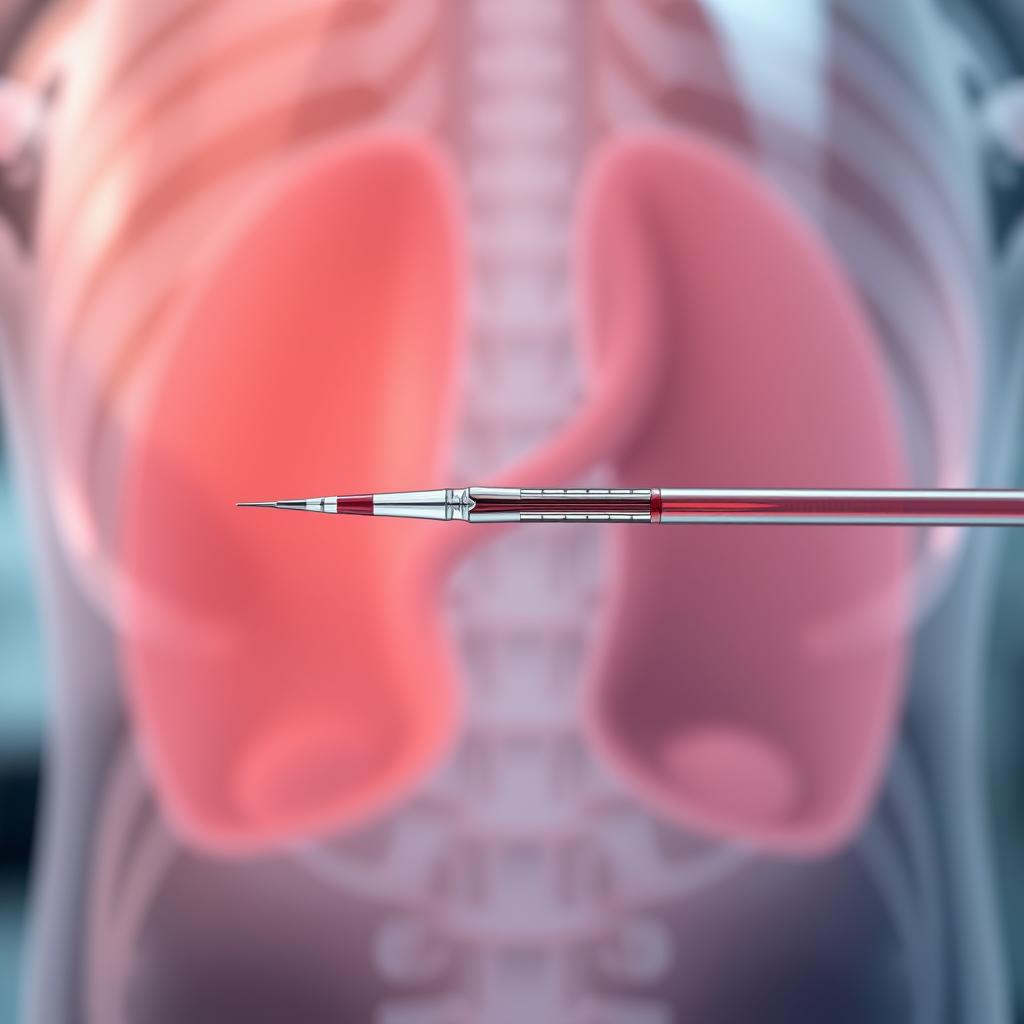
Microdevice‑Based Drug Screening
This study tests a method of implanting microdevices into tumors to deliver ultra‑low (micro‑dose) quantities of drug directly. Unlike conventional systemic administration, localized delivery at the site aims to minimize systemic adverse effects.
Early‑Stage Design and Objectives
In the EARLY_PHASE1 stage, up to four microdevices will be loaded onto a needle tip and release drug over a 72‑hour period. Afterward, the devices and surrounding tissue will be excised for histological analysis, and safety will be evaluated within 42 days. The design prioritizes establishing a safety profile before assessing efficacy.
Differentiation from Existing Therapies
Current standard treatments for bladder cancer include surgery, chemotherapy, and immunotherapy, typically delivered systemically. Micro‑dose release provides localized drug exposure, potentially reducing damage to healthy tissue. Consequently, the platform is expected to enable rapid validation of patient‑specific drug combinations.
Potential Impact of Clinical Success
If safety is demonstrated, the technology could serve as an efficient screening tool capable of testing multiple agents simultaneously. Pharmaceutical companies would be able to accelerate candidate validation and lower clinical development costs. Patients would gain access to personalized therapies with fewer side effects.
The platform enables rapid safety assessment of early‑stage drug candidates, substantially reducing development costs. The microdevice‑based drug screening field requires expertise at the intersection of technology and clinical development.
Source: ClinicalTrials.gov (api_ct)