AstraZeneca's Durvalumab and Radiation Combination Demonstrate Efficacy in Extensive-Stage Small Cell Lung Cancer in Phase 2 Trial
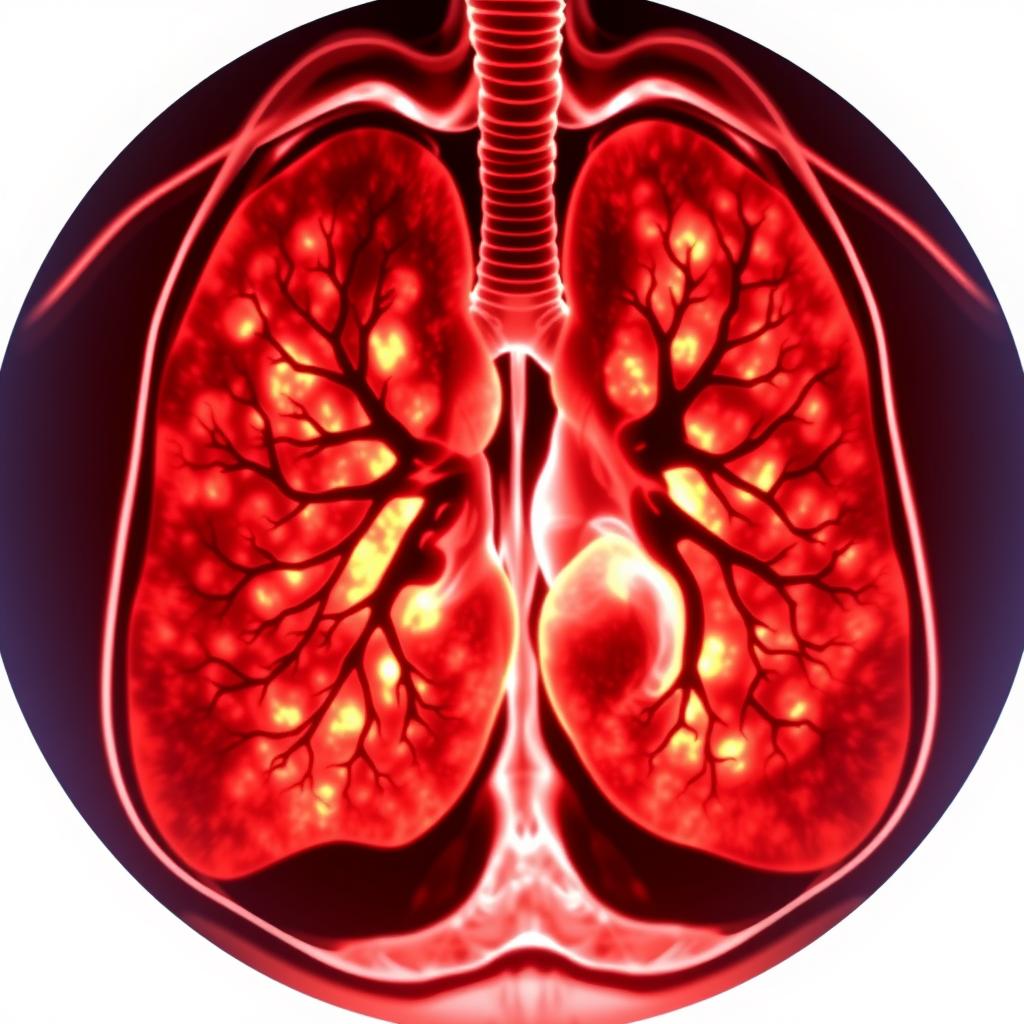
Study Background and Mechanism of Immune-Radiation Synergy
Extensive-stage small cell lung cancer (ES-SCLC) progresses rapidly and has a poor prognosis, making it difficult to treat with conventional standard chemotherapy alone. To address this, researchers at West China Hospital of Sichuan University designed the LEAD Phase 2 trial (NCT05092412), which combines AstraZeneca's immune checkpoint inhibitor, Durvalumab, with low-dose radiotherapy (LDRT). Low-dose radiation does not directly kill tumor cells but rather remodels the tumor microenvironment (TME) to activate immune cell infiltration. This combination therapy is considered an innovative approach to overcome resistance to existing treatments by maximizing Durvalumab's anti-PD-L1 activity and activating the immune response.
Key Efficacy Data and Analysis from the Phase 2 Trial
Data presented at the European Lung Cancer Congress (ELCC 2024) showed that the LEAD trial, involving 30 patients, demonstrated highly encouraging efficacy. With a median follow-up of 17.3 months, the median progression-free survival (PFS) was 8.3 months, a significant improvement compared to historical controls. The objective response rate (ORR) was 87%, and patients with brain metastases, who typically have a very poor prognosis, achieved a 100% response rate. While the median overall survival (OS) has not yet been reached, this suggests that the combination therapy is likely to lead to long-term survival benefits.
Safety Profile and Clinical Safety Assessment
In terms of safety, which is directly related to patients' quality of life, treatment-emergent adverse events (TEAEs) of Grade 3 or higher were observed in 80% of patients. Most of these were hematologic toxicities, such as leukopenia, caused by etoposide and platinum-based chemotherapy. Immune-related adverse events (irAEs) of Grade 3 or higher, which are immune-mediated, occurred in 13.3% of patients, which is relatively low. This suggests that local low-dose radiation does not significantly increase the systemic toxicity of the drug while effectively inducing immune synergy.
Competitive Market Trends and Comparison with Standard of Care
The global small cell lung cancer treatment market is currently estimated at approximately USD 3.6 billion, with a potential of up to USD 9.6 billion, and AstraZeneca's Durvalumab and Roche's Atezolizumab are in fierce competition. Given that the standard of care (SOC) for Durvalumab monotherapy in the Phase 3 CASPIAN trial had a median PFS of 5.1 months, the 8.3 months observed in the LEAD trial is very encouraging. Roche's Tecentriq combination therapy in the IMpower133 trial also had a median PFS of 5.2 months, so this new option, which adds low-dose radiation, has the potential to change the market landscape. In a situation where the standard of care has limitations, the addition of low-dose radiation therapy can be a powerful alternative that maximizes efficacy without adding significant additional drug costs.
Impact from an Investment Perspective and Future Prospects
Although this trial was an investigator-initiated trial (IIT) led by West China Hospital, it is likely that AstraZeneca will adopt the results and expand it into a large, multi-center Phase 3 trial. If the same excellent PFS improvement is confirmed in a randomized Phase 3 trial, Durvalumab will gain a clear competitive advantage. Investors should pay attention to the final overall survival (OS) data to be released and the timing of technology transfer to a multinational pharmaceutical company or the initiation of a large confirmatory trial. This will also create opportunities for healthcare technology companies that provide radiation equipment and precision treatment devices to expand their sales, which will have a positive impact on the entire ecosystem.
AstraZeneca's PD-L1 inhibitor, Durvalumab, in combination with low-dose radiation (LDRT), achieved a median progression-free survival (PFS) of 8.3 months in a Phase 2 trial, significantly improving upon the clinical benefit compared to the standard of care, which is chemotherapy and immunotherapy, with a PFS of 5 months. This represents a major long-term growth driver for AstraZeneca, enabling it to significantly expand its market share in the global small cell lung cancer (SCLC) market, which is estimated at approximately USD 3.6 billion to USD 9.6 billion annually, and compete more effectively against Roche's Atezolizumab and other leading therapies. From a research perspective, the trial demonstrates that radiation therapy can do more than just provide local control; it can modulate the tumor microenvironment to enhance the efficacy of immune checkpoint inhibitors, representing a significant milestone in the development of combination therapies. For industry professionals and hospital administrators, this offers a practical opportunity to rapidly introduce a new, low-cost, high-efficacy treatment by leveraging existing low-dose radiation equipment, without the need for expensive new drugs.
Source: ClinicalTrials.gov (api_ct)