Standardization of Patient-Derived Preclinical Model Platform for NSCLC
Background
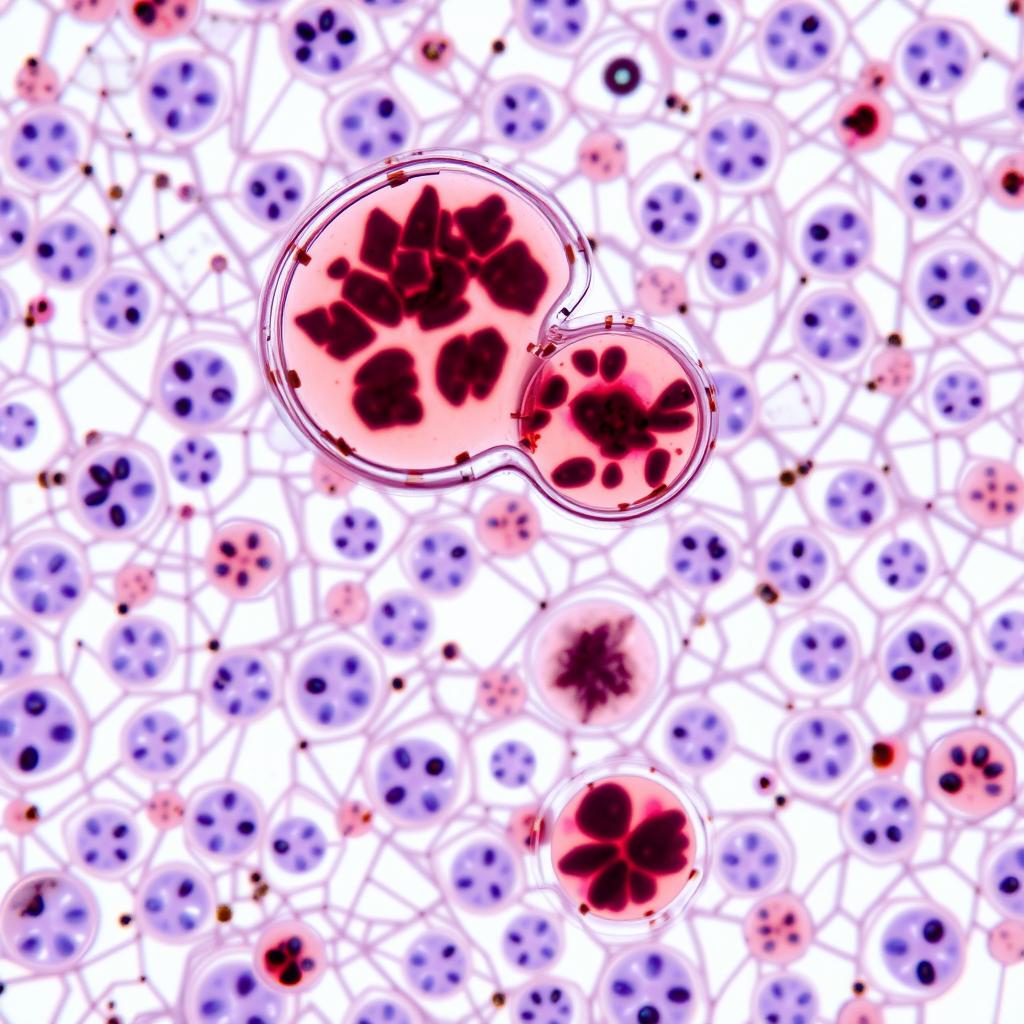
This study aims to standardize preclinical models that generate long-term tissue slices and tumoroids from tumor fragments extracted from non‑small cell lung cancer (NSCLC) patient tissues. Existing preclinical models have been limited in reflecting tumor heterogeneity, which hampers the prediction of immune‑therapeutic efficacy. Therefore, there is a need to develop models that preserve the individual tumor characteristics of each patient.
Objectives
We plan to develop nutraceutical‑based nanoformulations such as microencapsulated resveratrol and Cynara cardunculus (artichoke) extract, and apply them to the aforementioned models to explore combinatorial effects with immune‑checkpoint inhibitors. By evaluating efficacy and toxicity profiles concurrently at the preclinical stage, we aim to minimize risk prior to clinical entry. This approach offers a natural‑product‑based therapeutic strategy distinct from conventional synthetic small‑molecule drugs.
Expected Benefits
Utilizing tissue slices and tumoroids enables a close recapitulation of interactions between immune cells and the tumor microenvironment. This facilitates the identification of combination regimens that increase response rates to immunotherapies while rapidly pinpointing candidate agents that reduce adverse events. Additionally, natural‑product‑based products provide the ancillary advantage of enhancing environmental sustainability of manufacturing processes.
Market Implications
NSCLC is the leading cause of cancer mortality worldwide. Although the use of immune‑checkpoint inhibitors is rising, response rates remain low. If successful, this research could validate natural‑product‑based adjuvants that synergize with immunotherapies, emerging as a new therapeutic option. This may prompt pharmaceutical companies and biotech ventures to reassess combination strategies with immunotherapies.
Risks
There is no guarantee that preclinical models will translate to clinical outcomes, and the inherent variability of natural products (quality, extraction processes) may require additional verification during regulatory approval. Moreover, the cost of scaling microencapsulation technology could impede commercialization. Considering these uncertainties, extensive data generation during the research phase is essential.
Standardizing patient‑derived preclinical models enables more accurate prediction of candidate compound efficacy and safety, thereby reducing R&D expenditures. This platform also offers attractive career opportunities for researchers and biotech companies engaged in drug development.
Source: ClinicalTrials.gov (api_ct)