Accord Healthcare's Quetiapine Fumarate Extended-Release Tablets Receive Final FDA Approval for Schizophrenia Treatment
Background and Significance of the FDA Final Approval
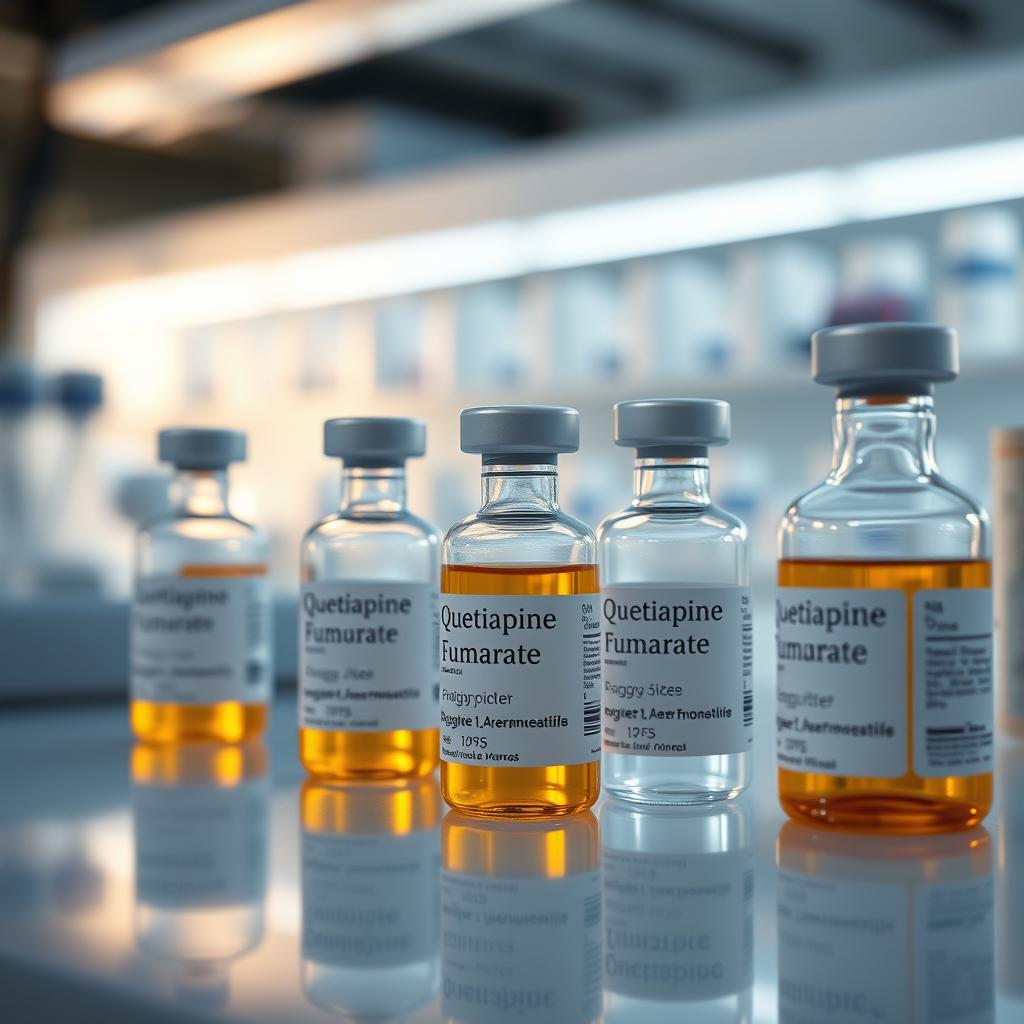
Accord Healthcare Inc. has received final approval from the U.S. Food and Drug Administration (FDA) for its Quetiapine Fumarate Extended-Release Tablets. This approval signifies that the generic drug has successfully met the regulatory requirements as a generic version of AstraZeneca's original drug, Seroquel XR. Quetiapine Fumarate is an atypical antipsychotic that simultaneously blocks dopamine D2 receptors and serotonin 5-HT2A receptors in the brain, and it has become a key drug for the treatment of schizophrenia and bipolar disorder. With this approval, patients will now have access to a more affordable option with the same therapeutic efficacy as the original drug.
Technical Advantages of the Extended-Release Formulation and Patient Compliance
The extended-release formulation is designed to release the drug slowly in the body, maintaining a consistent drug concentration in the blood compared to immediate-release formulations. This leads to better management of the drug's half-life and a reduction in the number of doses, which is very beneficial for improving patient compliance. Patients with schizophrenia or bipolar disorder often discontinue medication on their own, leading to relapse. The extended-release formulation directly addresses this unmet medical need. Through this approval, Accord Healthcare will provide an optimized solution with an improved side effect profile for patients with mental illnesses who require long-term treatment.
Reshaping the Competitive Landscape of the Original Seroquel XR Market
With this approval, the competition in the Seroquel XR market, which has annual global sales of billions of dollars, is expected to intensify. Teva, Lupin, and other global generic pharmaceutical companies have already entered the market, but Accord Healthcare can leverage the global supply chain of its parent company, Intas Pharmaceuticals, to exert strong price competitiveness. By significantly lowering the price barrier, the company is likely to gain an advantage in negotiations for inclusion in U.S. public insurance programs such as Medicaid and Medicare, as well as in private formularies. This will rapidly erode the market share of the branded drug and solidify Accord Healthcare's strong position in the generic market.
Entry into the Generic Market and Financial Growth Driver
The global quetiapine market, including the extended-release formulation, is worth approximately $4.2 billion, with the extended-release formulation segment alone accounting for about $1.68 billion. Accord Healthcare plans to rapidly increase its market share in the cost-sensitive market for severe mental illness treatments by maximizing cost-effectiveness. Successful inclusion in formularies will lead to a large and stable portfolio diversification and revenue growth, improving the profitability of the subsidiary and expanding the R&D investment capacity of the parent company. This will ultimately improve patient access to treatment and reduce the financial burden on national health insurance, creating positive socioeconomic effects.
This approval represents a significant financial milestone, securing generic approval in the global quetiapine market, valued at approximately $4.2 billion in 2022, particularly in the extended-release segment, which generates about $1.68 billion in revenue. From an investor's perspective, it is important to note Accord Healthcare's potential to rapidly penetrate the schizophrenia treatment market, where AstraZeneca and other existing generic competitors have established a presence, by leveraging its price competitiveness and the manufacturing capabilities of its parent company. From the perspective of researchers and industry professionals, the widespread use of the extended-release formulation, which improves patient compliance, is expected to have a clinical effect of reducing relapse rates and increasing long-term prescription rates. In the medium to long term, with the overall antipsychotic market expected to expand to over $18 billion by 2025, strengthening the low-cost generic product line and creating a stable cash cow are expected.
Source: openFDA (api_fda)
https://www.accessdata.fda.gov/scripts/cder/daf/index.cfm?event=overview.process&ApplNo=ANDA206252