FDA and Takeda's ADHD treatment Adderall XR generic approval intensifies market competition
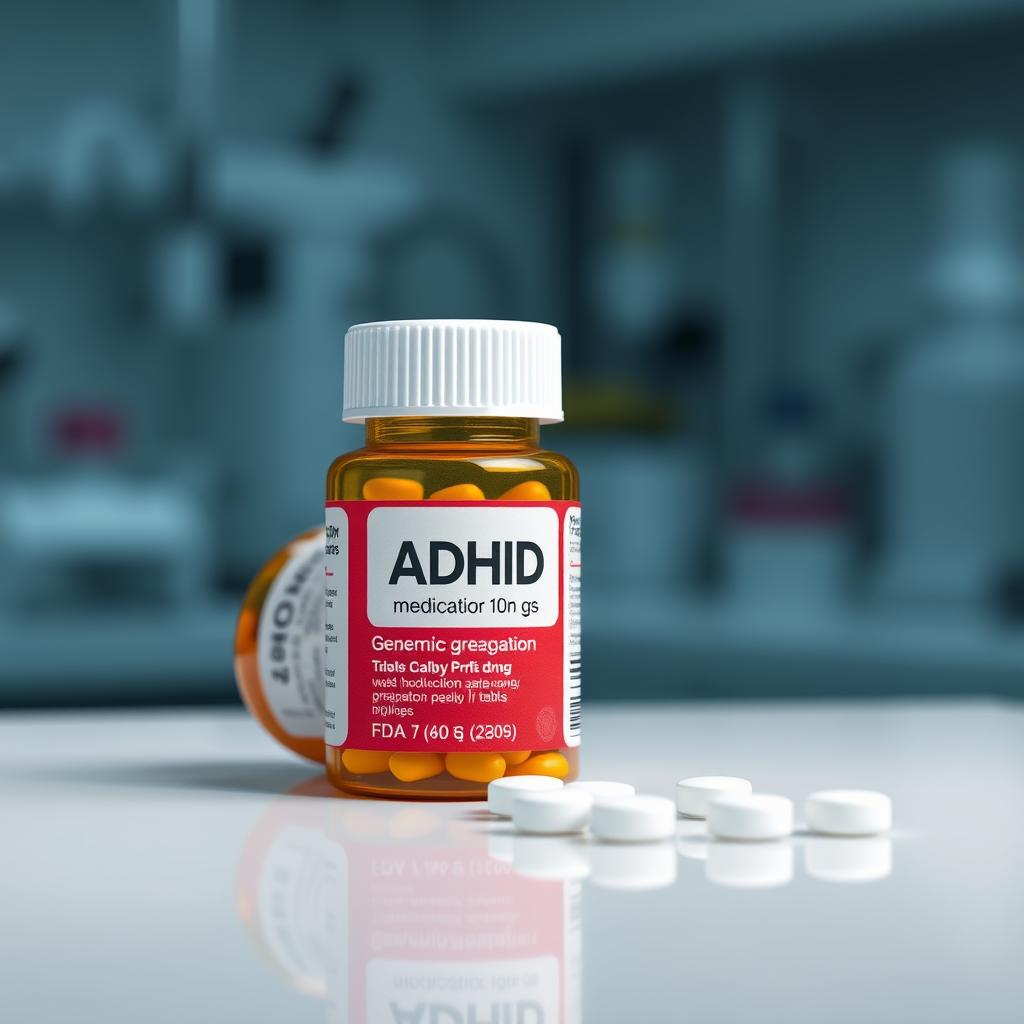
Status and Approval Background of the Original Treatment Adderall XR
The U.S. Food and Drug Administration (FDA) has formalized the approval of a generic version of Adderall XR, the original Attention Deficit Hyperactivity Disorder (ADHD) treatment owned by Takeda Pharmaceutical. Adderall XR, a mixed amphetamine salts formulation, works by targeting the dopamine active transporter (DAT) and norepinephrine transporter (NET) in the brain to inhibit reuptake of neurotransmitters. The regulatory agency approved an Abbreviated New Drug Application (ANDA) that fully demonstrated bioequivalence (BE) to the reference product and reconfirmed clinical efficacy. This action was undertaken to alleviate the high cost burden of the medication for patients and national health systems.
Introduction of Generic Competition and Market Share Reallocation
The entry of lower‑cost generic products into a market previously dominated by high‑priced brand medicines has made extensive price adjustments inevitable. Global pharmaceutical companies such as Teva, Sandoz, and Prasco are supplying extended‑release (XR) generics, gradually eroding the dominance of the original product. Because this medication requires a complex dual‑release extended‑release profile, stringent quality control by manufacturers will be a critical factor in capturing market share. New entrants are targeting the niche created by the expiration of the brand’s patents, securing long‑term revenue streams.
Changes in Prescribing Patterns and Formulary Barriers
Following the generic approval, public and private insurers are revising their formularies and implementing policies that mandate or favor the prescription of lower‑cost generics. However, some large insurers maintain pre‑rebate agreements with the original manufacturer, slowing the transition to generics in certain segments. Additionally, a subset of physicians and patients adopt a cautious stance regarding whether the generic’s efficacy matches that of the brand, which may delay market uptake. Consequently, generic manufacturers need to intensify marketing to healthcare professionals to shift these perceptions.
Mid‑to‑Long‑Term Outlook for the Global ADHD Treatment Market
The global ADHD treatment market currently generates annual revenues of approximately $14.5 billion to $15.8 billion (USD) and continues to grow upward. As generics expand, individual patients will experience substantial reductions in out‑of‑pocket costs. Although the decline in unit prices may cause short‑term market revenue to modestly soften, addressing unmet medical needs will enhance long‑term growth potential. The rising diagnosis rate among adult ADHD patients, combined with the mainstreaming of generic prescriptions, is driving qualitative growth in the pharmaceutical industry.
This generic approval signifies a shift in the $14.5‑$15.8 billion ADHD treatment market’s hegemony from the original developer, Takeda (TAK), to generic manufacturers such as Teva and Sandoz. From a regulatory perspective, the successful demonstration of bioequivalence and receipt of final marketed approval is regarded as a technical achievement that fully replicates the original Adderall XR’s complex dual‑release formulation. In the short term, Takeda is expected to experience revenue impact from the loss of brand market share, but in the mid‑to‑long term, expanded formulary inclusion and lower pricing should improve drug accessibility and increase overall prescription volumes. Researchers and industry stakeholders should closely monitor whether the generic supply chain can remain stable amid evolving Controlled Substance regulations aimed at preventing drug misuse.
Source: openFDA (api_fda)
https://www.accessdata.fda.gov/scripts/cder/daf/index.cfm?event=overview.process&ApplNo=NDA021303