Rivoli Orthodontics Emphasizes the Value of Expanding Functional and Preventative Orthodontic Treatment
Redefining Treatment Beyond Aesthetic Procedures
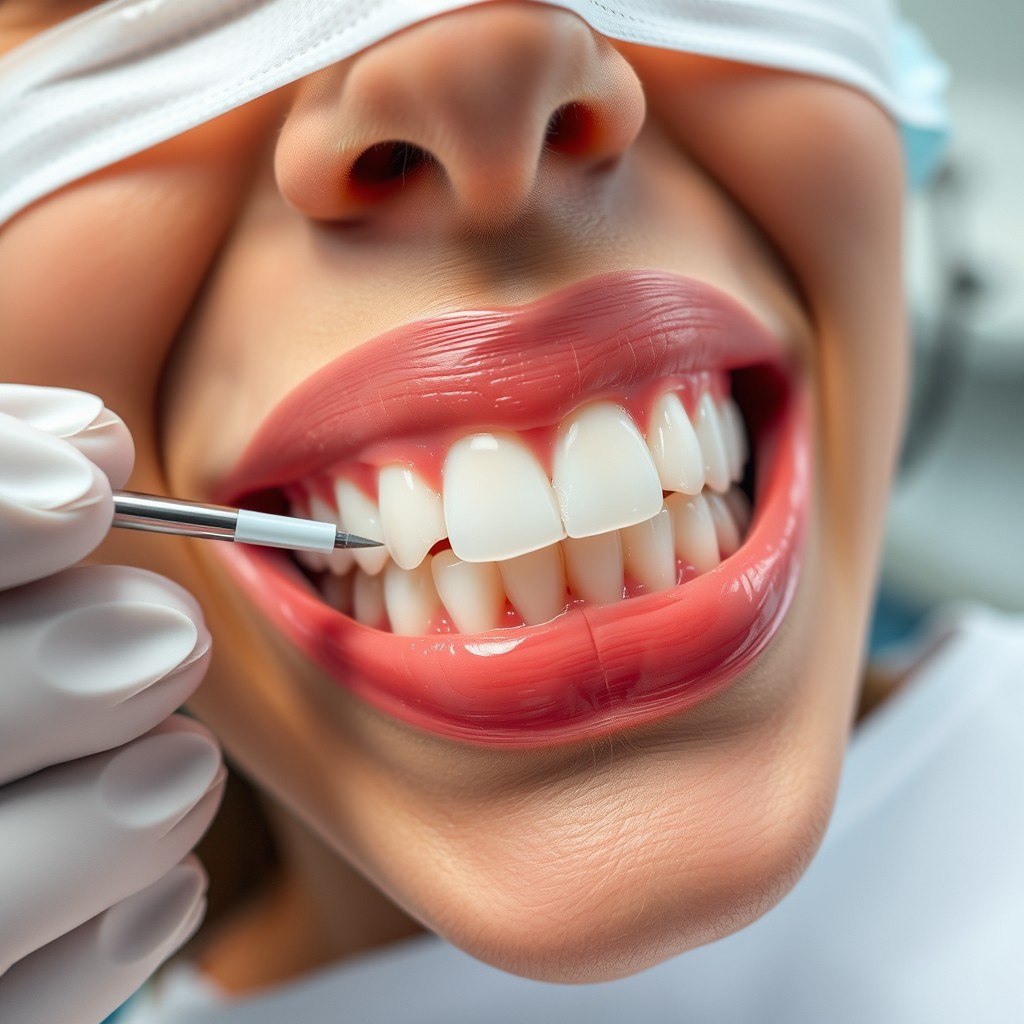
HelloNation, through Dr. Peter Rivoli of Rivoli Orthodontics in New York, highlights that orthodontic treatment addresses not only aesthetics but also malocclusion, jaw function, and oral hygiene. Correcting misaligned teeth facilitates easier access for brushing and flossing, which helps manage risk factors for cavities and gum disease. By broadening treatment goals to reduce discomfort in chewing and speech, the approach enhances the medical value of orthodontics, which is often perceived as a cosmetic procedure. However, it is important to note that this announcement is patient-education-focused content and should not be interpreted as conclusive evidence of systemic disease prevention.
Treatment Options and Commercialization Stage
Rivoli Orthodontics offers metal braces, clear braces, and commercially available clear aligners such as Invisalign, ClearCorrect, SureSmile, and Spark. These are medical devices that do not involve drugs or molecular targets; they apply continuous, gentle force to the teeth to correct malocclusion and are all in the commercialization stage. Patient suitability varies depending on the complexity of the malocclusion, growth stage, compliance, and existing restorations. Typical treatment duration is 6 to 30 months for braces and aligners, and generally 18 to 24 months for clear aligners. Therefore, while emphasizing functional benefits can increase conversion rates for both adults and children, product selection should be based on specialist diagnosis and in-person monitoring.
Regulatory and Competitive Landscape
In the United States, the Food and Drug Administration (FDA) classifies sequential clear aligners as Class II medical devices under product code NXC and applies the 510(k) pathway. Align Technology's (ALGN) Invisalign System received substantial equivalence determination on April 7, 2022, and Straumann Group's (STMN.SW) ClearCorrect System received substantial equivalence determination on October 5, 2022. Envista Holdings' (NVST) Spark received an additional 510(k) determination on February 20, 2025. This is a pre-market notification system for medical devices, not drug approval or Phase 1/2/3 clinical trials or advisory committee votes. While traditional metal and ceramic braces maintain their strengths in complex cases, clear aligners compete by emphasizing convenience and aesthetics.
Market Potential and Investment Implications
Commercial research indicates that the U.S. orthodontic market is approximately USD 7.4 billion in 2025, and the global clear aligner market is approximately USD 8.3 billion in the same year. Align Technology is expected to generate USD 3.2 billion in clear aligner revenue in 2025 and ship 2.6 million units globally, demonstrating its leading position with a combination of brand, scanners, and treatment planning software. Dr. Rivoli's message is more of a customer acquisition strategy aimed at expanding the orthodontic demand from aesthetics to functional and preventative areas, rather than presenting the clinical superiority of a specific product. While HelloNation and Rivoli Orthodontics are both unlisted service/media companies, limiting direct catalysts, this message provides a demand signal supporting the expansion of the target patient population for ALGN, NVST, and STMN.SW.
From an investment perspective, with the U.S. orthodontic market at approximately USD 7.4 billion and the global clear aligner market at approximately USD 8.3 billion, the key point is that the emphasis on functional and preventative benefits can increase the number of new adult and pediatric patients starting treatment. In the short term, Align Technology (ALGN), which is expected to generate USD 3.2 billion in clear aligner revenue in 2025, is the most direct beneficiary, with Envista Holdings (NVST)'s Spark and Straumann Group (STMN.SW)'s ClearCorrect as competitors. For researchers, it is important to note that this announcement is not based on clinical trial data and that a prospective comparative study is needed to link improvements in chewing and oral hygiene to a reduction in systemic diseases. For the industry, the value of a specialist-based model that places commercially available clear aligners and traditional metal/ceramic braces based on case complexity and compliance is highlighted. The long-term impact is the expansion of demand by reducing sensitivity to aesthetic economic cycles, but insurance coverage, treatment costs, and in-person management capabilities will determine actual market penetration.