AskBio Completes Phase 1 Trial of AB-1005 Gene Therapy for Parkinson's Disease and Advances to Phase 2
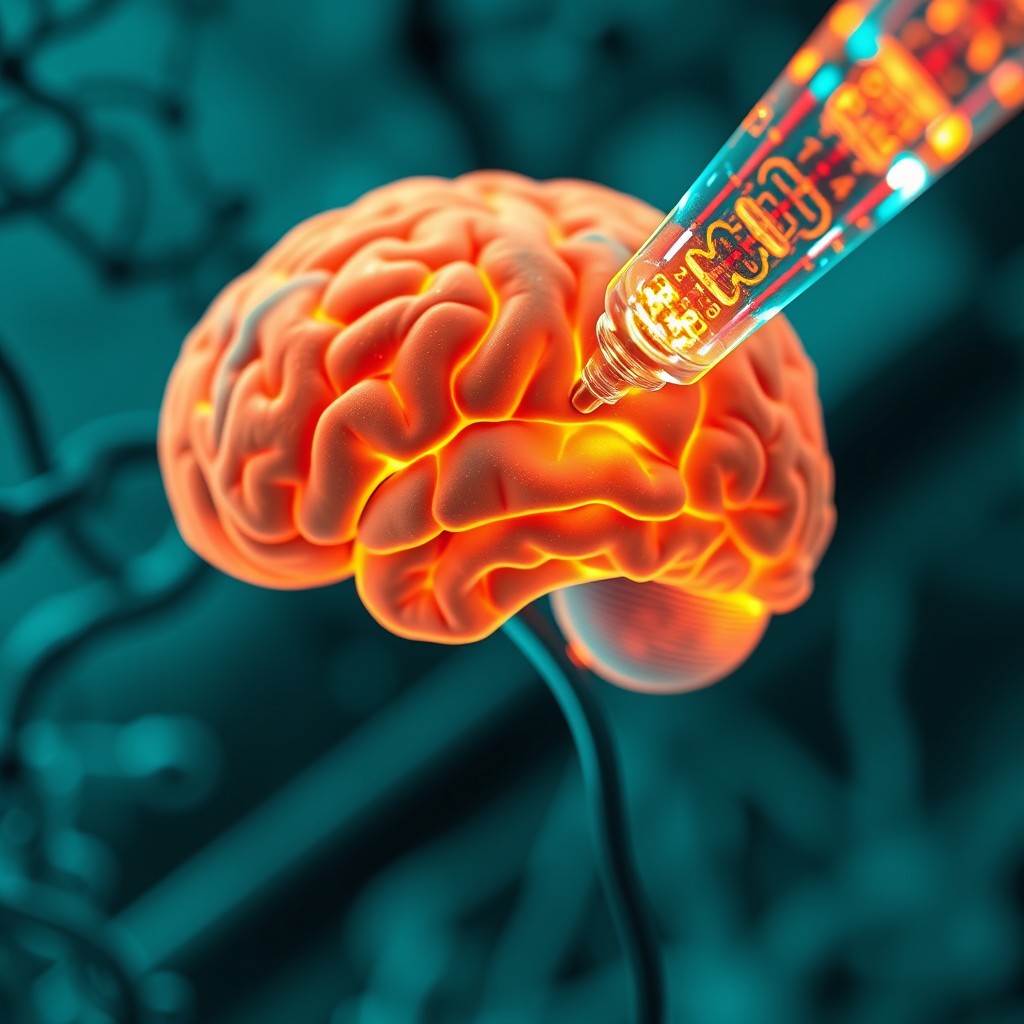
GDNF Delivery Enables Fundamental Dopamine Neuroprotective Mechanism
A gene therapy approach utilizing AAV2 (Adeno-Associated Virus Serotype 2) vectors is transforming the treatment landscape for Parkinson's Disease. This trial aimed to directly inject the human GDNF (Glial Cell Line-Derived Neurotrophic Factor) gene into brain neurons, permanently activating and protecting dopamine-producing cells. While existing standard-of-care treatments like Levodopa provide only temporary dopamine supplementation, this gene therapy is considered a potential disease-modifying therapy (DMT) that could halt the progression of the disease. This mechanism offers new hope for patients in the advanced stages of Parkinson's, where dopamine cell loss has reached a critical point.
Phase 1 Trial Design and Safety Confirmed Through Minimally Invasive Brain Surgery
The completed Phase 1 trial (NCT01621581) was meticulously designed to include 24 patients with advanced Parkinson's Disease who had an insufficient response to medication. Researchers successfully performed minimally invasive surgery, using convection-enhanced delivery (CED) to directly administer AAV2-GDNF to the putamen of both sides of the patients' brains, guided by real-time MRI. Long-term follow-up over five years revealed no serious adverse events (SAEs) related to the therapy, demonstrating the long-term safety of the gene therapy. Despite the high-risk nature of direct injection into the brain, the therapy demonstrated strong safety, increasing the likelihood of regulatory approval for related treatments.
Positron Emission Tomography Confirms Regeneration and Efficacy Signals
A key achievement of this trial was the visual confirmation of actual improvements in the brain through positron emission tomography (PET). 18F-FDOPA PET scans revealed a significant recovery of dopamine activity in the putamen in most patients. This provides objective biomarker data, demonstrating that the injected gene was successfully delivered, leading to cell regeneration and sprouting. Furthermore, post-mortem examination of brain tissue from deceased patients showed that the GDNF protein was expressed for up to 45 months after injection, providing confidence in the therapy's long-term efficacy.
Phase 2 Trial Commences Following Acquisition by a Major Pharmaceutical Company, Assessing Commercial Potential
The core asset of this technology was acquired by AskBio, a subsidiary of Bayer AG, in 2020 for approximately $4 billion, after being held by Brain Neurotherapy Bio. The therapy, now known as AB-1005, has entered a global Phase 2 trial (REGENERATE-PD) for patients with moderate Parkinson's Disease. With the global Parkinson's Disease treatment market expected to reach approximately $5.4 billion to $5.7 billion in 2024 and grow to approximately $9 billion in the early 2030s, the commercial value of a single-dose gene therapy is projected to be in the billions of dollars. The therapy also received Regenerative Medicine Advanced Therapy (RMAT) designation from the U.S. FDA in February 2025, further demonstrating its commercial potential.
The completion of this Phase 1 trial demonstrates the commercial viability of AB-1005 as a disease-modifying therapy (DMT) in the Parkinson's Disease market, which is currently valued at $5.4 billion and is projected to exceed $9 billion in the early 2030s. The long-term expression data of over 45 months for a single-dose gene therapy provides a strong investment safety net for venture capital and institutional investors, serving as a key milestone in the long term. The commencement of the Phase 2 trial, accompanied by FDA RMAT designation in February 2025, will serve as a short-term catalyst to accelerate the timeline for regulatory approval and commercialization. This will also serve as a key differentiator against competitors in the same indication, such as Voyager Therapeutics (VY-AADC) and MeiraGTx (AAV2-GAD). As a result, this study will serve as a positive reference for the valuation of global developers with central nervous system (CNS) gene delivery platforms.
Source: ClinicalTrials.gov (api_ct)