Phase 2 Clinical Trial Initiated for Low-Intensity Total Body Irradiation-Combined Hematopoietic Stem Cell Transplantation in CVID and PIRD Patients
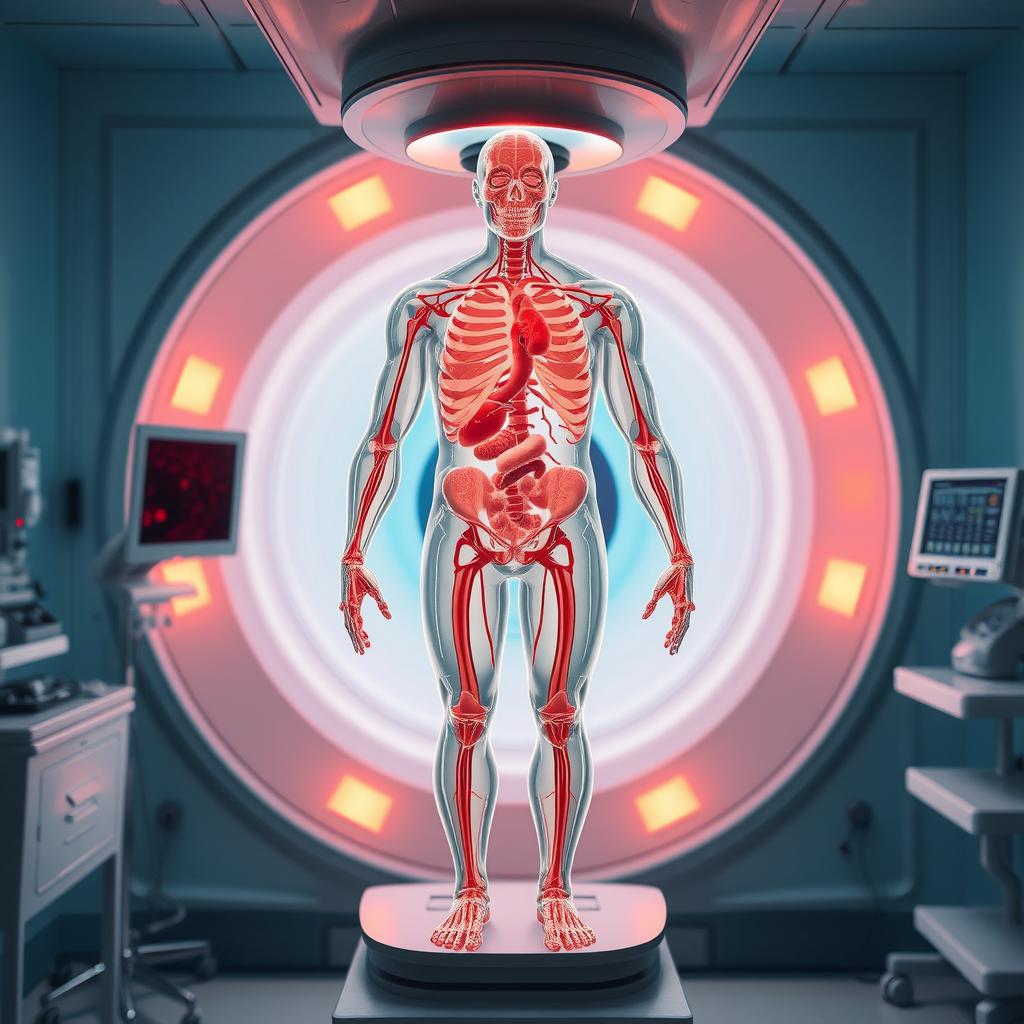
Clinical Trial Overview
This Phase 2 trial evaluates hematopoietic stem cell transplantation (HSCT) that combines a low‑intensity reduced‑intensity conditioning (RIC) regimen with total body irradiation (TBI) in patients with Common Variable Immunodeficiency (CVID) and other Primary Immune Regulatory Disorders (PIRD). Currently, CVID is characterized by immune deficiency and autoimmune complications, with limited therapeutic options; many patients are not adequately managed with conventional immunoglobulin replacement therapy alone. Consequently, HSCT approaches aimed at fundamental immune reconstitution are gaining attention.
Mechanism of Action
HSCT replaces the patient’s defective immune system with new hematopoietic stem cells, aiming for durable immune recovery. The reduced‑intensity conditioning (RIC) regimen markedly lowers toxicity compared with traditional myeloablative conditioning, enhancing patient safety, while total body irradiation (TBI) resets the bone‑marrow microenvironment to improve engraftment success. This combination represents an innovative attempt to minimize the risks of conventional HSCT while preserving therapeutic efficacy.
Clinical Design and Status
The study commenced on May 4, 2026 and is currently enrolling. The primary endpoints are expected to include engraftment success rate, immune reconstitution metrics, and incidence of severe treatment‑related adverse events. Eligible participants are adults diagnosed with CVID or PIRD who have failed standard therapy or exhibit severe complications. The anticipated completion date is not specified in the source.
Market and Competitive Landscape
CVID affects approximately 100,000–150,000 individuals worldwide and, when accompanied by autoimmune complications, substantially increases treatment costs and diminishes quality of life. Current standard care is limited to immunoglobulin replacement and symptomatic management, leaving a gap for curative solutions. A successful HSCT strategy could shift the therapeutic paradigm and open applicability to related immune‑regulatory disorders.
Potential Impact of Success
If the trial demonstrates safety and efficacy, HSCT‑based immune reconstitution could become a new standard of care for CVID and PIRD. This would motivate biotech companies to expand HSCT platforms and accelerate clinical development for analogous indications. For patients, long‑term immune recovery would translate into reduced healthcare expenditures and markedly improved quality of life.
Applying HSCT platforms to immune‑deficiency diseases opens a high‑value therapeutic segment beyond the traditional oncology and hematology markets, potentially delivering substantial returns on investment. For job seekers and professionals entering immunology or cell‑therapy fields, it creates additional opportunities to work with next‑generation treatment technologies.
Source: ClinicalTrials.gov (api_ct)