Takeda (NYSE: TAK) Officially Withdraws Marketing Authorization for 'Natpar' Parathyroid Hormone Therapy in Europe
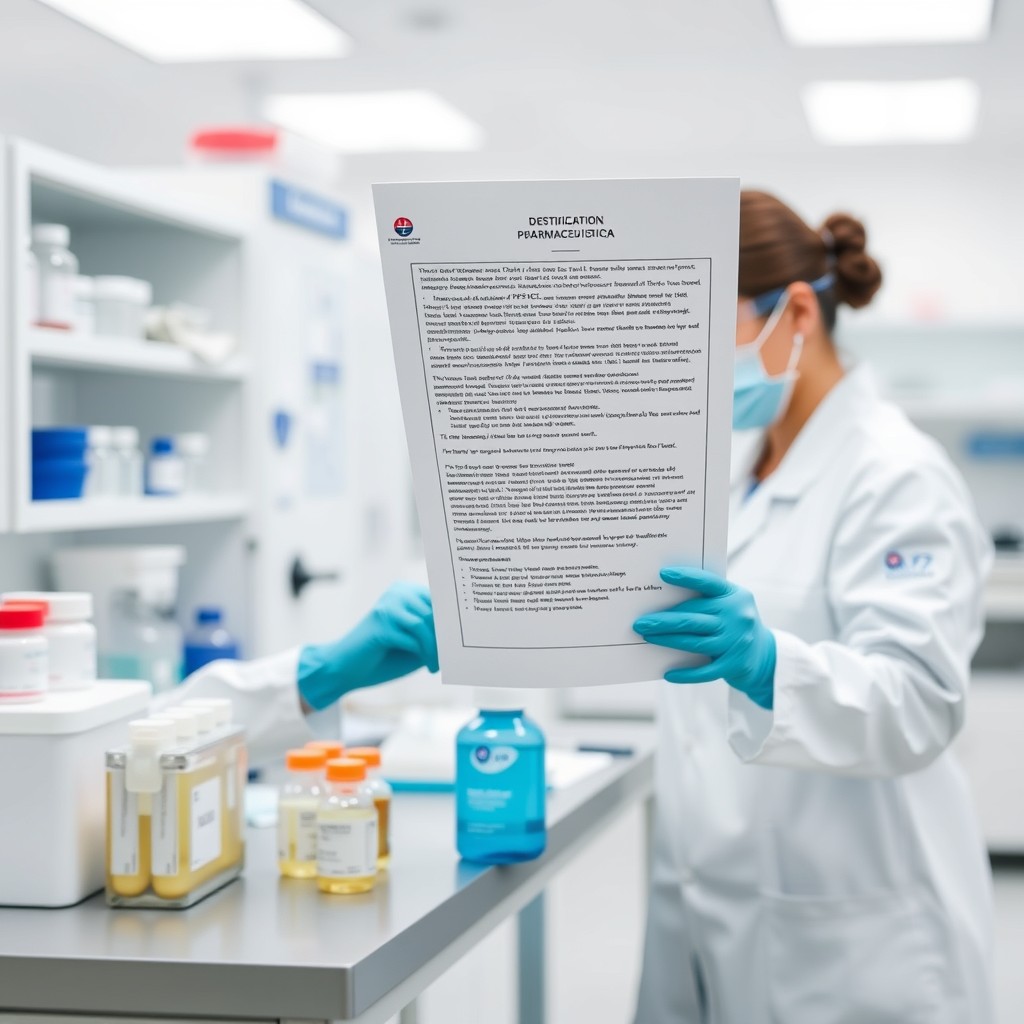
European Approval Officially Withdrawn Due to Production Limitations
Takeda Pharmaceutical's Natpar (active ingredient: recombinant human parathyroid hormone (1-84)), a treatment for chronic hypoparathyroidism, has had its marketing authorization in Europe officially withdrawn, effective July 1, 2026. This regulatory decision, rather than being triggered by sudden safety concerns, represents the final stage of Takeda's previously announced plan to discontinue global supply, starting in 2022. The drug, which targets the parathyroid hormone receptor to manage hypocalcemia, was a key treatment; however, Takeda was unable to overcome limitations in its production process.
Prolonged Manufacturing Defects and Formulation Failures
The decisive factor behind Takeda's permanent discontinuation of Natpar's supply was unresolved manufacturing quality issues. The persistent problem of rubber particles detaching from the rubber septum of the injectable cartridge and the formation of protein particles continuously hindered progress. The company made various research and development efforts to address these issues, including formulation changes and computer modeling, but it failed to find a commercially sustainable production solution. Ultimately, the company determined that it would be difficult to meet regulatory standards for ensuring patient safety and maintaining consistent quality, leading to the decision to withdraw from the global market.
Supply Gap in the Medical Field and Safe Transition to Alternative Treatments
The withdrawal of Natpar from the European market has created an immediate supply gap in the global hypoparathyroidism treatment market, estimated at approximately $1 billion. In chronic patients, abruptly discontinuing hormone therapy can expose them to serious complications such as severe hypocalcemia or tetany, raising concerns in the medical field. Takeda has been managing the supply chain by gradually phasing out remaining inventory to ensure that existing patients can safely transition to alternative treatments. The European Medicines Agency (EMA), the regulatory authority, is also encouraging the procurement of alternatives and closely monitoring the transition of patients to new treatments.
Opportunity for Competitors to Dominate the Market
Experts predict that Ascendis Pharma, a Danish biotechnology company, will be the biggest beneficiary of Natpar's withdrawal. Ascendis's long-acting therapy, Yorvipath (active ingredient: palopegteriparatide), has already been approved by regulatory authorities in Europe (November 2023) and the United States (August 2024) and is gaining market share. The exclusive demand previously served by Natpar is expected to rapidly shift to Yorvipath, leading to a significant increase in Ascendis's market share in a short period. This case once again highlights the importance of securing not only drug mechanisms but also complex formulation process technologies for large-scale production for new drug developers.
Takeda's withdrawal of Natpar from the European market is a regulatory event that definitively confirms the collapse of its existing revenue base of approximately $230 million per year in the global hypoparathyroidism treatment market. This withdrawal has paved the way for a complete reorganization of the approximately $1 billion chronic hypoparathyroidism hormone replacement therapy market, with the leading position now shifting to a competing drug from Ascendis Pharma. In particular, Yorvipath, which has already received marketing authorization in Europe (Phase 3 completed in 2023) and the United States (2024), is poised to become the sole parathyroid hormone replacement option in the market, enjoying a dominant position. From the perspective of new drug development and production, this case has reaffirmed that the stability of the long-term supply chain of biologics and the management of manufacturing quality (CMC) of complex drug delivery devices are key risk factors for commercial success. In the long term, regulatory authorities are likely to apply stricter quality assurance and formulation standards to late-stage pipeline developers entering the market, which will be a factor increasing related research and development costs.
Source: EMA (ema)