Selincro and Radiation Combination Therapy in Clinical Trial for Pediatric and Adolescent DIPG and High-Grade Glioma
Study Background
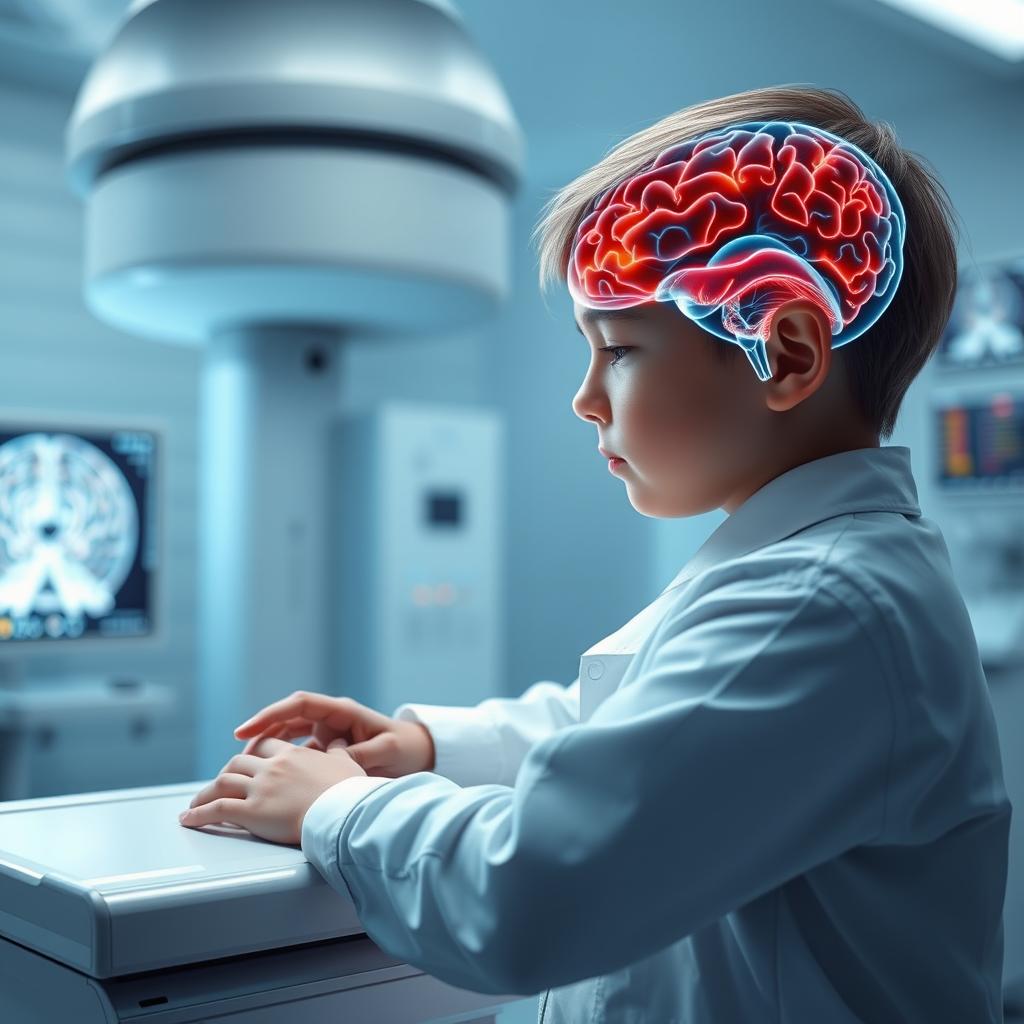
This Phase 1/2 clinical trial evaluates the safety and optimal dosage of selincro in combination with standard radiation therapy for newly diagnosed DIPG and high-grade glioma patients with H3 K27M mutations. Current radiation therapy alone provides limited tumor reduction, necessitating new treatment combinations.
Disease Characteristics
DIPG is located in the brainstem and is inoperable, while high-grade glioma grows rapidly, resulting in a very poor prognosis. In particular, the H3 K27M mutation increases the malignancy of the tumor, and the current standard treatment is limited to radiation. The development of effective drugs for this high-risk group can significantly improve patient survival rates.
Selincro Mechanism
Selincro is a selective nuclear export inhibitor that blocks CRM1 (nuclear export protein), inhibiting the growth signals of cancer cells and inducing cell death. When used in combination with radiation therapy, it may interfere with DNA damage repair, potentially increasing the death of tumor cells.
Trial Design
The trial is divided into Part 1 (dose-escalation phase) and Part 2 (efficacy evaluation phase). In Part 1, the maximum tolerated dose (MTD) is determined, and in Part 2, the anti-cancer effect of that dose is confirmed. Both phases use the same radiation protocol and focus only on differences in selincro dosage.
Expected Outcomes
If successful, the combination of selincro and radiation may become a new standard treatment for DIPG and HGG patients with limited current treatment options. It may also expand the clinical applicability of nuclear export inhibitors and have a ripple effect on other CNS tumors.
The selincro and radiation combination trial can strengthen the pipeline of treatments for high-risk pediatric and adolescent brain tumors, thereby increasing corporate value. Job seekers and industry professionals looking to enter this field should understand the trends in the development of next-generation CNS therapeutics.
Source: ClinicalTrials.gov (api_ct)