The Carter Center and WHO Announce Fewer Than 10 Cases of Guinea Worm Disease in 2025, Bringing the World Closer to Eradicating a Second Disease
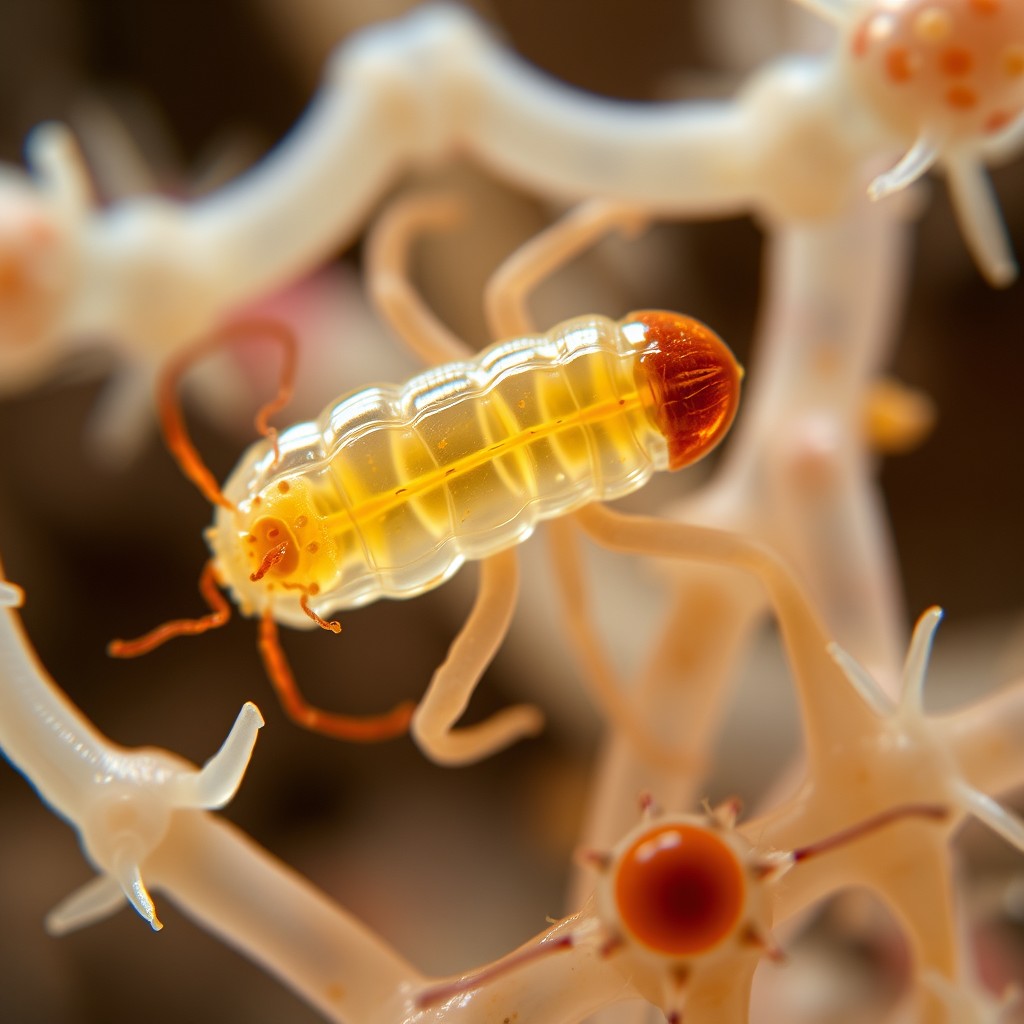
Guinea Worm Cases Reach an All-Time Low of 10
The global eradication program led by The Carter Center and the World Health Organization (WHO) has achieved a significant milestone: in 2025, human cases of Guinea worm disease (Dracunculiasis) are projected to be fewer than 10 worldwide. This represents a 99.99% reduction from the 3.5 million cases that occurred annually in the 1980s in 21 countries in Africa and Asia. The remaining cases are concentrated in Chad (4 cases), Ethiopia (4 cases), and South Sudan (2 cases), while countries like Angola and Mali have maintained zero human cases for two consecutive years. This remarkable achievement has been accomplished through public health interventions, such as the provision of water filters and the application of temephos (Abate) to control copepods, without the need for approved treatments or preventive vaccines.
The Biological Mechanism of Eradicating a Disease Without Biopharmaceuticals
The success of the Guinea worm eradication program is based on a strategy that physically disrupts the life cycle of the parasite, Dracunculus medinensis. Smallpox, the only other human infectious disease that has been eradicated, benefited from the genetic stability of the variola virus, the availability of an effective vaccine, and the fact that humans were the only host. In contrast, the Guinea worm eradication program has achieved its goals by controlling the intermediate host, the copepod, and preventing the ingestion of infected water, rather than relying on the development of expensive new drugs. This success story serves as a new therapeutic paradigm for the global biopharmaceutical sector.
The Structural Challenges of Residual Animal Reservoirs and Increasing Marginal Costs
As the eradication program enters its final stages, the marginal cost of tracking and eliminating the remaining cases increases exponentially. Since the 2010s, cases of infection in animal reservoirs, such as dogs and cats, have been reported, making the elimination of transmission pathways outside of humans a new key challenge. This is similar to the situation with wild poliovirus type 1, which continues to cause approximately 40 cases in Afghanistan and Pakistan in 2025, despite vaccination efforts, delaying eradication. Therefore, the ultimate success of the Guinea worm eradication program depends on maintaining sophisticated surveillance systems, such as wastewater monitoring and animal tethering.
Global Public Health Resource Allocation and Strategic Benchmarks for Future Disease Funding
The long-term funding provided by global donors, such as the Bill & Melinda Gates Foundation, the UK Foreign, Commonwealth & Development Office (FCDO), and the Japanese government, demonstrates the efficient allocation of health resources. However, the high cost of maintaining the eradication program in a situation where the incidence is extremely low raises questions about the prioritization of funding for other urgent diseases. This highlights the need for global health funds to invest not only in drug R&D but also in balanced investments in sophisticated environmental control networks and community-based health ecosystems. Ultimately, the effectiveness of public health infrastructure will be a key indicator of the return on investment (ROI) for disease eradication funding.
The Carter Center and WHO's achievement of fewer than 10 human cases of Guinea worm disease in 2025 signifies the approach of the second disease eradication threshold in history, following smallpox, without the use of vaccines. The reduction of cases by more than 99.99% from 3.5 million annually demonstrates the effectiveness of public health funding models focused on vector control (Temephos) and environmental surveillance, rather than relying solely on new drug R&D. In the short term, increased funding from the Gates Foundation and FCDO is expected to focus on eliminating the remaining cases concentrated in Chad, Ethiopia, and South Sudan. In the medium to long term, this will serve as a strategic benchmark for reducing the marginal costs of other eradication programs, such as polio (40 cases of wild poliovirus type 1), and for addressing the challenge of animal reservoirs (dogs and cats).
Source: Labiotech (rss)
https://www.labiotech.eu/in-depth/disease-eradication-smallpox-guinea-worm/