ASCO 2026: Bispecific Antibodies and ADCs, RAS Innovation, and a Turning Point in Prostate Cancer Therapy
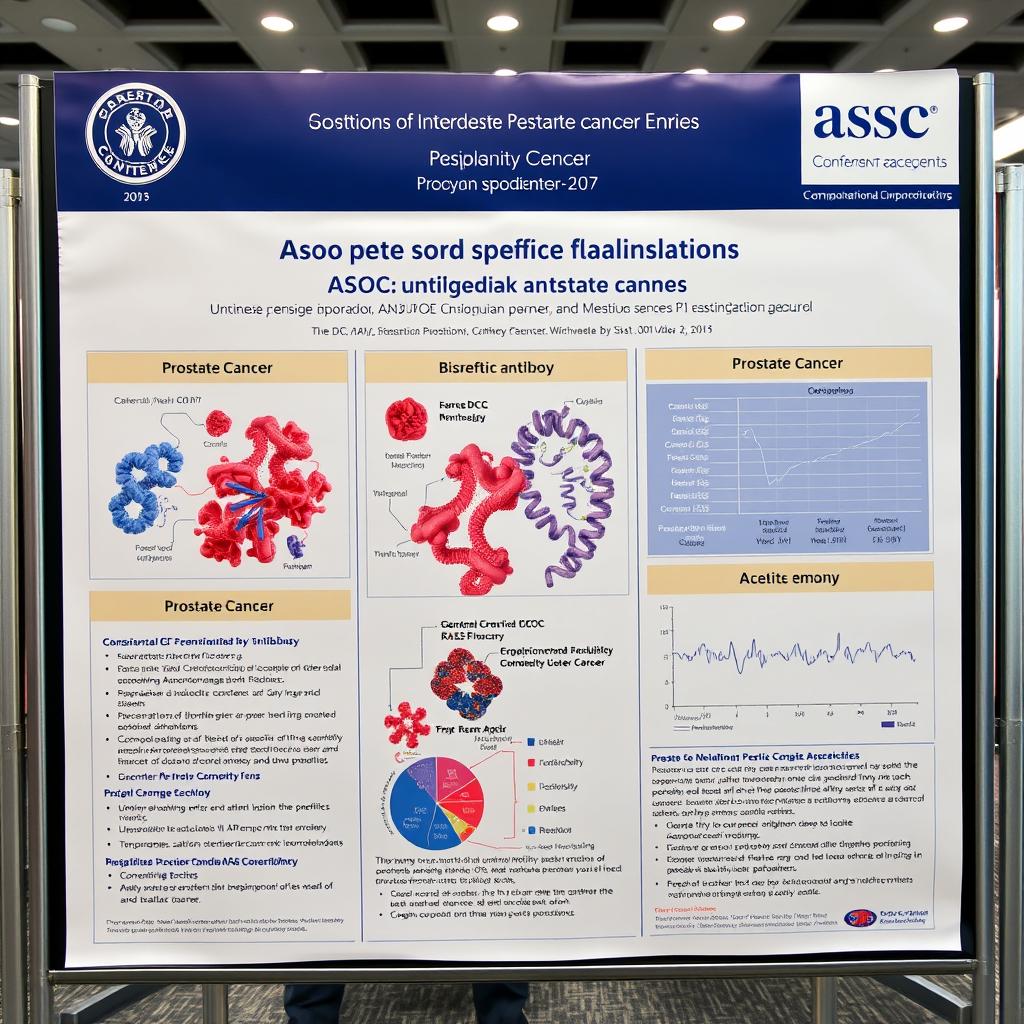
Competition Surrounding Both Therapeutic Classes
At ASCO 2026, the clash between bispecific antibodies and antibody‑drug conjugates (ADCs) was prominently highlighted. Although the two classes target cancer cells via distinct mechanisms, they are competing for similar indications in the clinical stage. The intensifying competition stems from recent years of robust efficacy and safety data reported for both modalities, which have accelerated investment and pipeline expansion. Consequently, companies are focusing on differentiated positioning and securing next‑generation candidate molecules.
Innovation in RAS Targeting
At the meeting, a novel approach that directly inhibits the RAS protein garnered significant attention. RAS has long been labeled an “undruggable” target, but advances in structural biology and bioconjugate technologies have markedly improved its tractability. RAS inhibitors can block proliferative signaling in cancer cells, offering tumor‑suppressive effects and a mechanism distinct from existing targeted therapies, thereby expanding personalized treatment options. This technological progress is likely to generate new streams of research investment across the biopharma sector.
A Turning Point in Prostate Cancer Therapy
A “step change” was also noted in the prostate cancer arena. In addition to standard hormonal therapy, bispecific antibodies and ADCs have demonstrated meaningful overall‑survival improvements in Phase II/III trials, substantially shifting the treatment paradigm. Particularly for patients with metastatic prostate cancer, securing new targets expands therapeutic options, which is expected to improve patient quality of life while also enlarging the market size.
Investment and Research Implications
These trends send a clear signal to both investors and researchers. As clinical outcomes for bispecific antibodies and ADC pipelines become more visible, capital inflows into these areas are expected to strengthen, while RAS inhibitors are poised to become next‑generation breakthrough therapies with high growth potential. The prostate cancer market, facing clear limitations of existing treatments, is anticipated to experience a surge in demand for novel innovators. Accordingly, diversifying portfolios and exploring technology partnerships will be prudent strategic moves.
If clinical performance data for bispecific antibodies and ADCs become definitive, investment inflows into these sectors are expected to accelerate, driving up company valuations. RAS inhibitors and innovative prostate‑cancer agents, by offering differentiated mechanisms, will create new career opportunities for research and commercial talent.
Source: BioPharma Dive (rss)