Oslo University Hospital Launches Phase 3 Clinical Trial to Evaluate Non-Inferiority of Proton vs. Photon Therapy for IDH-Mutant Gliomas
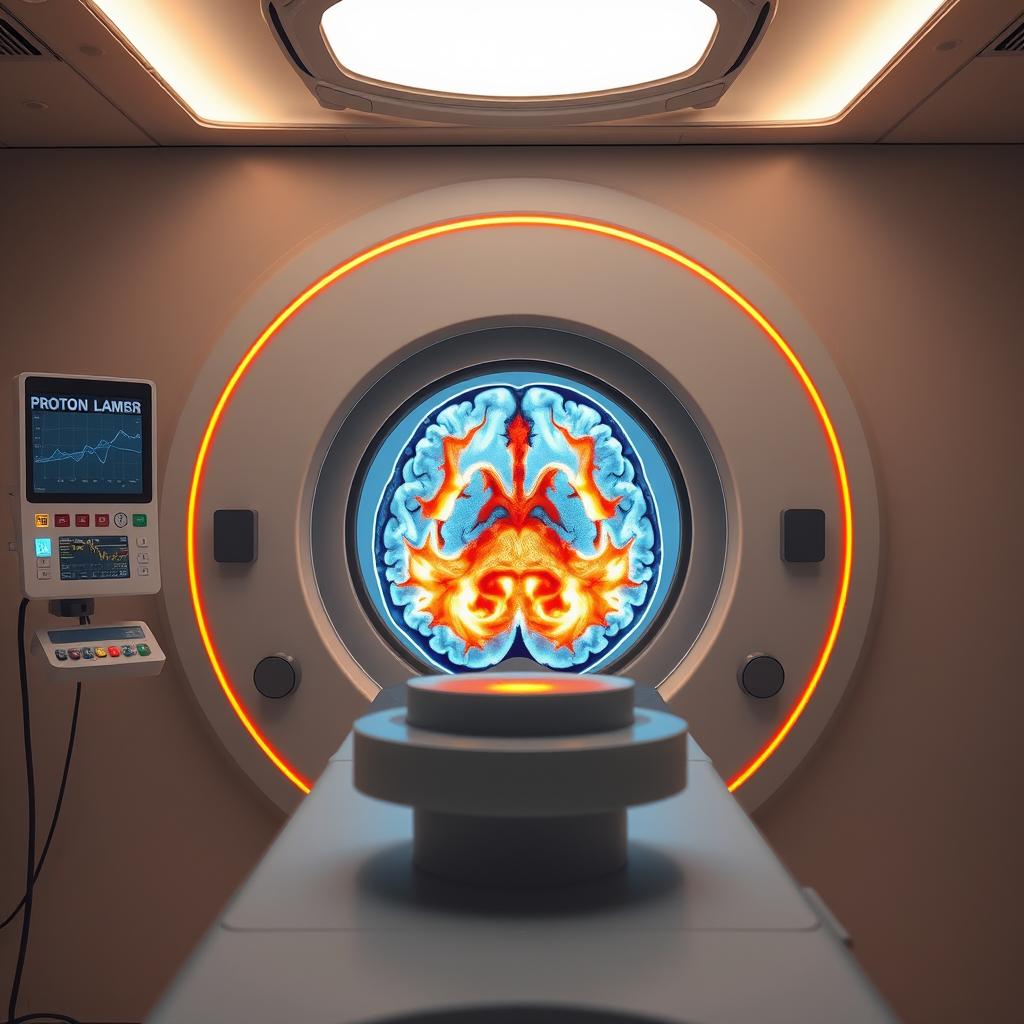
Unmet Needs in IDH-Mutant Glioma Treatment and the Evolution of Radiation Therapy
IDH (Isocitrate Dehydrogenase)-mutant grade 2 and 3 diffuse gliomas primarily affect younger patients and are highly infiltrative. Therefore, maximizing long-term survival while minimizing damage to brain tissue is crucial. Conventional standard of care, photon radiotherapy, has limitations due to excessive radiation exposure to normal brain tissue, leading to chronic side effects such as cognitive impairment. In contrast, proton beam therapy is considered an innovative alternative because its Bragg peak phenomenon allows for precise energy release in the tumor area, sparing surrounding healthy brain tissue.
Innovative Design and Long-Term Follow-up of the PRO-GLIO Trial
The PRO-GLIO (NCT05190172) clinical trial, led by Oslo University Hospital, is a large-scale, multi-center, randomized controlled trial (RCT) designed to demonstrate the non-inferiority of proton therapy compared to photon therapy based on a two-year survival rate. The trial is being conducted at over 10 major university hospitals in Norway and Sweden, involving a total of 225 patients, and is scheduled for completion on December 31, 2030, to validate long-term safety. The study's key focus extends beyond simple survival rate comparison to include patient-reported outcomes (PROMs) and neurocognitive assessments to track whether proton therapy actually improves patients' quality of life (QoL) over 2, 5, 10, and 15 years.
Synergy with Targeted Therapy Vorasidenib and a Shift in Treatment Paradigm
The paradigm of glioma treatment is fundamentally changing with the emergence of Vorasidenib (brand name Voranigo), an IDH1/2 dual inhibitor targeted therapy from French pharmaceutical company Servier, which received FDA approval in August 2024. Proton therapy is expected to maximize patient treatment compliance and clinical benefits when used in conjunction with this innovative drug therapy by minimizing radiation-induced brain damage. If this trial establishes the non-inferiority and safety of proton therapy, it could be a significant turning point in establishing a new standard of care that combines the high-cost targeted therapy with proton therapy.
Potential for Disruption in the High-Value Proton Therapy Equipment Market
The global proton therapy market is expected to grow from approximately $2 billion in 2026 to over $5 billion in the early 2030s, with an annual growth rate of about 10%, and is led by IBA of Belgium and Siemens Healthineers of Germany. If the results of this trial are positive, it is expected that the introduction of proton therapy into insurance coverage will accelerate in Europe and worldwide, and the demand for equipment from hospitals will surge. This will act as a key driver for new orders of high-value systems in the radiation medical device market, which could lead to long-term financial growth for related manufacturers.
The Phase 3 PRO-GLIO trial conducted by Oslo University Hospital is a long-term effort to replace existing photon therapy and establish proton therapy as a new standard of care in the global $6 billion glioma treatment market. If the trial is completed in 2030 and demonstrates non-inferiority, it will trigger an annual growth rate of over 10% in the $2 billion global proton therapy equipment market, which is dominated by leading companies such as IBA of Belgium and Siemens Healthineers (SHL). From the perspective of researchers and medical device developers, the clinical validation of the safety of the Bragg peak technology, which reduces brain tissue damage, is expected to stimulate active research on synergy with innovative anticancer drugs such as Servier's IDH inhibitor Voranigo, which was approved in 2024. In the short term, there is a barrier to entry due to the cost of equipment, but in the long term, the investment in high-value cancer treatment infrastructure will be activated due to the demonstration of health economics through the preservation of cognitive function and the expansion of insurance coverage. In conclusion, this study will serve as a key milestone in securing the clinical validity of high-cost treatment equipment and driving the paradigm shift and revenue growth of related companies in the global radiation oncology industry.
Source: ClinicalTrials.gov (api_ct)