Roche's Tecentriq and Avastin to Initiate Phase 4 Clinical Trial for Hepatocellular Carcinoma Patients Awaiting Liver Transplantation, Targeting Y90 Combination Therapy
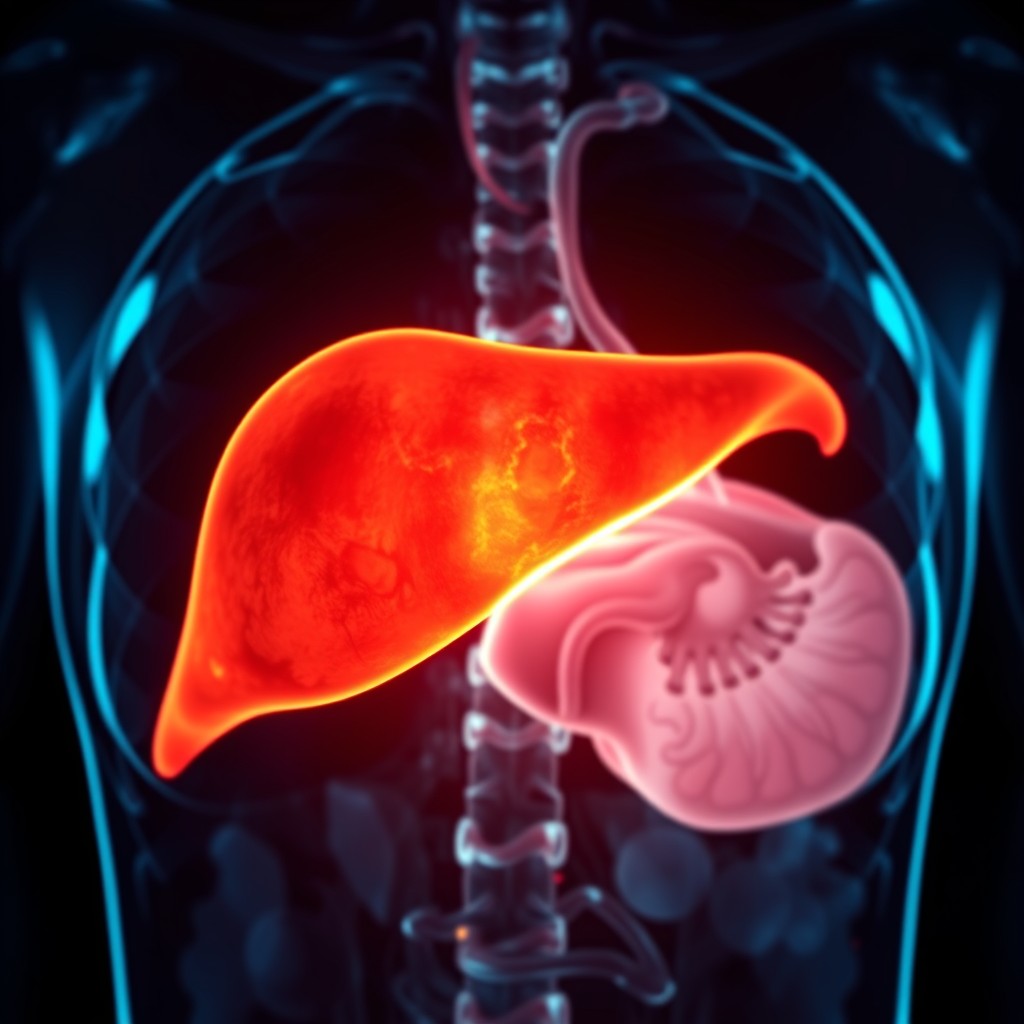
Exploring Synergistic Effects of First-Line HCC Treatment and Local Radiation Therapy
The Icahn School of Medicine at Mount Sinai, in collaboration with Genentech, a subsidiary of Roche, has initiated a Phase 4 feasibility study combining first-line systemic treatment for hepatocellular carcinoma (HCC), consisting of Tecentriq (atezolizumab) and Avastin (bevacizumab), with local treatment using Y90 radioembolization. This study aims to maximize tumor control by combining the systemic effects of atezolizumab, an anti-PD-L1 monoclonal antibody that blocks immune evasion by cancer cells, and bevacizumab, which inhibits angiogenesis, with local radiation therapy. The research focuses on elucidating a complementary mechanism where local tumor necrosis induced by radiation therapy triggers a systemic immune response, which is then amplified by immune checkpoint inhibitors.
Validating the Feasibility of a Pre-Transplant Bridging Therapy for High-Risk Patients
The first cohort will involve high-risk HCC patients who meet the Milan criteria but have an alpha-fetoprotein (AFP) level of 400 ng/ml or higher, receiving a bridging therapy. As the waiting time for transplantation increases, the risk of tumor growth and loss of transplant eligibility increases, making effective disease control during this period crucial. The combination of immune checkpoint inhibitors and radioembolization is expected to provide stronger tumor control than conventional single-modality local treatments, helping patients safely reach liver transplantation. The study ultimately focuses on minimizing the dropout rate of patients awaiting transplantation.
Expanding Transplant Opportunities by Downstaging Patients Exceeding the Milan Criteria
The second cohort aims to downstage patients who previously did not meet the Milan criteria, reducing tumor size and number to make them eligible for transplantation. This is a challenging approach that could significantly expand the number of patients eligible for liver transplantation, attracting considerable interest from regulatory agencies and the medical community. If this combination therapy demonstrates significant tumor reduction, it could be a major milestone in providing a new survival pathway, liver transplantation, for patients with advanced HCC. The study will particularly focus on identifying key indicators for achieving a pathological complete response.
Paradigm Shift in Combination Therapy and Impact on the Global Liver Cancer Market
This trial reflects Roche's strategic approach to fundamentally transform the treatment paradigm for HCC by integrating systemic immunotherapy with local radiation therapy. The global market for HCC treatments is estimated to be approximately $3.97 billion to $5.2 billion by 2026, and competition is intensifying with products such as AstraZeneca's Imfinzi (durvalumab) and Imjudo (tremelimumab). If the clinical utility of this therapy in the pre-transplant setting is established, Roche can establish a dominant position in the high-value segment of liver transplant candidates, outperforming its competitors.
This Phase 4 clinical trial represents a strategic effort by Roche to expand the clinical value of its Tecentriq and Avastin combination therapy in the global hepatocellular carcinoma market, which is estimated at $3.97 billion to $5.2 billion annually, to include liver transplant candidates. Amidst fierce competition from companies like AstraZeneca with their Imfinzi and Imjudo combination therapy, the combination of systemic immunotherapy and Y90 radioembolization offers a powerful solution to address the significant unmet medical need of reducing dropout rates and maximizing survival in liver transplant candidates. In the short term, the study will focus on demonstrating improvements in the conversion rate of patients outside the Milan criteria to transplant eligibility, and in the medium to long term, it is expected to establish new standard treatment guidelines for adjuvant therapy before liver cancer surgery. The results of this trial, involving 40 patients, will serve as a critical milestone for regulatory approval and expansion of indications in the HCC immune checkpoint inhibitor market, and will be a significant reference for researchers and industry professionals in validating the efficacy of multidisciplinary integrated treatment.
Source: ClinicalTrials.gov (api_ct)