미세아교세포 중심 신경염증, 신경퇴행성 질환의 기전과 치료 과제 짚은 리뷰
배경
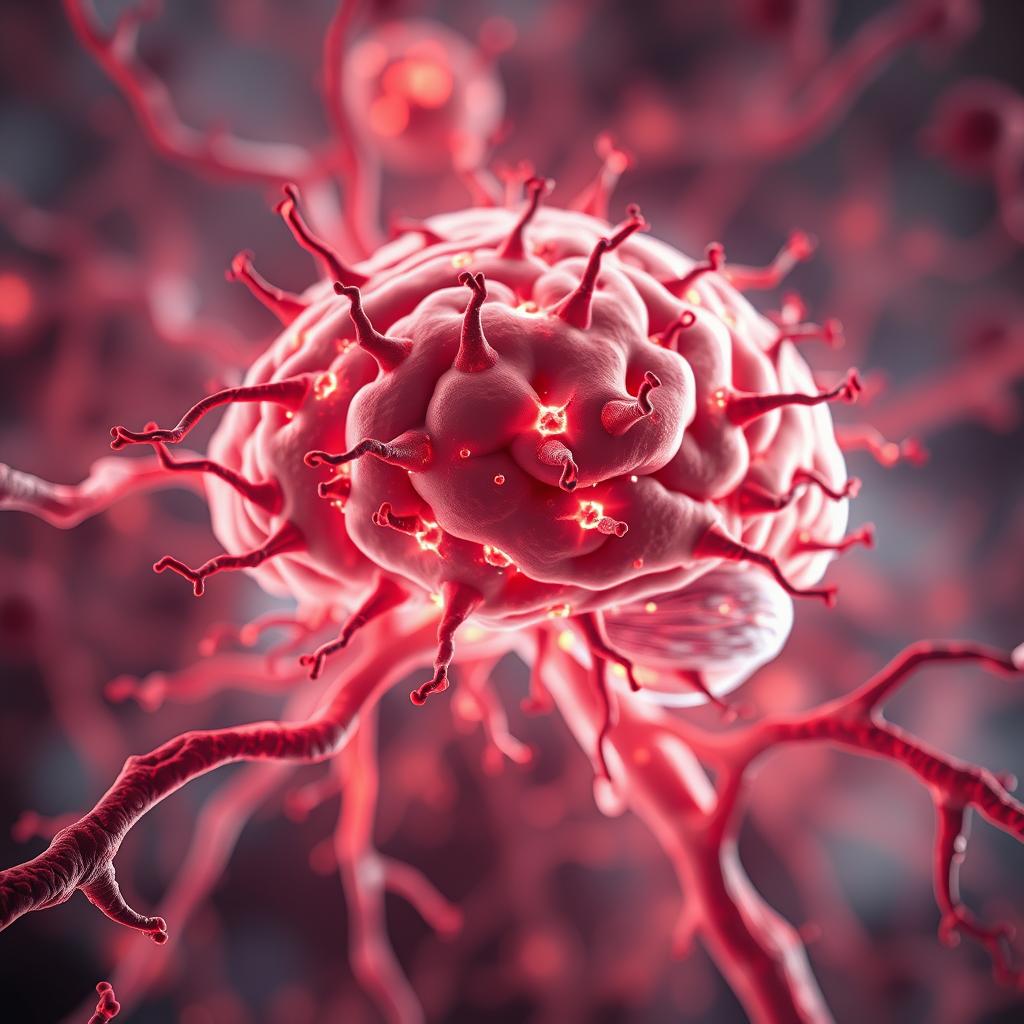
미세아교세포 중심의 신경염증이 신경퇴행성 질환의 발생·진행에 관여하는 기전과 치료 과제를 정리한 리뷰가 나왔다. Molecular Biology Reports에 실린 Saini와 Dhiman의 논문은 신경염증의 구성 요소부터 바이오마커 후보, 계산 모델, 치료 접근법까지 검토했다. 새로운 실험이나 환자 대상 치료 효과를 보고한 연구는 아니다.
중추신경계의 염증은 전통적으로 방어적 면역 반응으로 이해돼 왔다. 그러나 미세아교세포와 별아교세포, 말초 면역 경로의 지속적인 활성화가 신경퇴행과 시냅스 소실에 관여한다는 근거가 쌓이는 상황이다. 리뷰는 알츠하이머병, 파킨슨병, 근위축성측삭경화증, 헌팅턴병을 다루며 신경염증이 각 질환에서 맡는 역할을 살폈다. 여러 질환을 검토했다는 사실이 모두 같은 기전이나 치료 반응을 보인다는 뜻은 아니다.
핵심 발견
주요 검토 대상은 미세아교세포 활성화, 별아교세포 반응, 말초 면역세포 침투, 사이토카인 조절 이상, 혈액뇌장벽(blood–brain barrier, BBB) 손상이다. 신경염증을 미세아교세포만의 문제로 보기보다 뇌 안팎의 면역 반응과 장벽 변화가 얽힌 현상으로 살펴보는 접근이다. 급성 신경학적 증상과 정신·인지 기능 장애에서 신경염증이 맡는 역할도 검토 범위에 포함됐다.
질병 진단과 경과 관찰을 위한 바이오마커 후보로는 교세포 활성화 표지자, 염증성 사이토카인, BBB 관련 단백질, 키누레닌 경로 대사산물이 제시됐다. 다만 제공된 초록에는 개별 검사의 정확도나 측정 조건, 환자군별 성능이 제시되지 않았다. 유망한 후보라는 평가와 임상에서 사용할 검사로 검증됐다는 판단은 구분해야 한다.
수학적 모델과 시스템 수준 계산 모델의 잠재력도 다뤘다. 복잡한 신경계·면역계 상호작용을 설명하고 질병 경과와 치료 결과를 예측하는 도구로 활용할 가능성이다. 초록은 이러한 활용 방향을 설명하지만, 특정 모델의 개발 방법이나 예측 성능을 보고하지는 않는다. 따라서 이를 리뷰 연구진이 직접 수행한 모델 검증 결과로 해석하기는 어렵다.
의미와 전망
치료 접근법으로는 항염증·면역조절 약물, 생활 습관 개입, 줄기세포 접근법, 유전자 편집, 나노입자 기반 약물 전달을 폭넓게 검토했다. 이 목록은 신경염증을 표적으로 삼는 현재와 미래의 연구 방향을 보여준다. 특정 약물의 환자 효능이나 유전자 편집 치료의 승인 가능성을 입증한 결과로 받아들여서는 안 된다. 개별 치료의 효과 크기와 임상 개발 단계도 제공된 초록만으로는 판단할 수 없다.
저자들은 전임상 연구 성과를 효과적인 임상 치료로 옮기는 과정이 여전히 어렵다고 지적했다. 통합적인 신경면역 모델링, 바이오마커 기반 치료, 정밀의료의 발전이 개인별 치료 계획으로 이어질 가능성은 향후 전망으로 제시됐다. 리뷰의 의의는 치료 효과를 새로 입증한 데 있기보다 신경염증 기전과 경과 관찰, 치료 개발의 연결 가능성을 살피고 임상 전환 과제를 정리한 데 있다.
출처: Europe PMC에 수록된 리뷰 초록과 서지 정보. 논문 DOI: 10.1007/s11033-026-12128-8.
Neuroinflammation has been identified as a major component to the pathogenesis and progression of many neurodegenerative illnesses, going beyond its traditional role as a protective immune response within central nervous system (CNS). There is growing evidence that persistent activation of peripheral immune pathways, microglia and astrocytes causes progressive neurodegeneration, synaptic loss and progressive neurodegeneration. This review examines the mechanisms of microglia- driven neuroinflammatory signaling and its involvement in major neurodegenerative diseases, including Alzheimer's disease, Parkinson's disease, amyotrophic lateral sclerosis and Huntington's disease. Key neuroinflammatory mechanisms covered in depth including microglial activation, astrocyte reactivity, peripheral immune cell infiltration, cytokine dysregulation, and blood brain barrier (BBB) disruption. This review also emphasizes the role of neuroinflammation in acute neurological symptoms and mental and cognitive impairments. Glial activation markers, inflammatory cytokines, BBB proteins and kynurenine pathway metabolites are emerging as promising biomarkers for disease diagnosis and monitoring. Additionally, the potential of new mathematical and systems level computational models to describe intricate neuroimmune interactions and forecast the course of disease and treatment results is investigated. Current and emerging therapies targeting neuroinflammation include anti-inflammatory and immunomodulatory drugs, lifestyle interventions, stem cell approaches, gene-editing technologies and nanoparticle-based drug delivery systems. Despite significant progress, translating preclinical findings into effective clinical therapies remains challenging. Future developments in integrative neuroimmune modeling, biomarker-guided therapies and precision medicine may make it possible to create individualized treatments plans targeted at reducing neuroinflammation and enhancing the course of neurodegenerativ
이 리뷰는 신경염증 치료 후보를 평가할 때 생물학적 지표와 질병 경과를 함께 살펴보는 후속 연구의 참고 자료가 될 수 있다. 예를 들어 교세포 활성화나 염증 관련 지표의 변화가 환자의 경과와 연결되는지 검증하는 연구 설계를 생각해볼 수 있다. 계산 모델은 이런 관찰 자료를 설명하고 경과를 예측할 도구의 후보로 제시된다. 이는 리뷰의 논의를 바탕으로 한 연구 활용 시나리오이며, 검증된 환자 선별법이나 처방 기준은 아니다. 제약·바이오 개발에서도 전임상 기전의 타당성과 사람에서의 치료 효과를 구분해 평가해야 한다. 제공된 초록은 특정 치료의 효능이나 개발 비용 절감 효과를 뒷받침하지 않는다.