Green Bio
Agricultural, environmental, food biotechnology — life science toward sustainability.
 Nature Genetics🤖 Resumen de IA
Identificación de la huella genética que los cultivos dejan en el suelo: un nuevo método de fitomejoramiento para diseñar sistemas completos de rotación de cultivos más allá de las variedades individuales
Antecedentes La mejora genética agrícola moderna ha evolucionado hacia la maximización del rendimiento individual de cada cultivo. La selección y mejora centrada en variedades únicas contribuyó a elevar la productividad del año correspondiente, pero generó limitaciones estructurales como el agotamiento del suelo por monocultivo continuo y el deterioro del ecosistema edáfico. En las tierras agrícolas, se utiliza ampliamente un sistema de rotación de cultivos que alterna diferentes especies para reponer la fertilidad del suelo y suprimir la proliferación de plagas y enfermedades. En los campos de cultivo reales, después de la cosecha del cultivo anterior, los residuos orgánicos y las secreciones radiculares permanecen en el suelo, influyendo directamente en el crecimiento del cultivo posterior que se desarrolla en la siguiente temporada. Esto se denomina retroalimentación planta-suelo (Plant-Soil Feedback, PSF) o legado del suelo (soil legacy). El problema radica en que los programas de mejora de cultivos tradicionales se han desarrollado excluyendo por completo estas interacciones con el patrimonio microbiano del suelo. Los fitomejoradores han evaluado rasgos de forma aislada, sin rastrear cómo los cambios en la microbiota o el equilibrio nutricional del suelo impactan al cultivo sucesor. Los agricultores han experimentado variaciones extremas en la productividad al cultivar maíz tras ciertas leguminosas, dependiendo de la combinación de variedades, pero sin haber logrado identificar claramente la causa, han intentado resolver el problema recurriendo a la aplicación de fertilizantes químicos y pesticidas. Hallazgos clave Un artículo de perspectiva publicado en Nature Genetics presenta un análisis empírico que demuestra que las huellas bioquímicas y microbiológicas que los cultivos dejan en el suelo no son meros factores ambientales, sino que están determinados por factores genéticos propios de cada variedad. La investigación explica que, incluso en la misma especie, la composición de fenoles y ácidos orgánicos en las exudaciones radiculares varía según los alelos presentes, lo que determina la estructura de la comunidad microbiana de la rizosfera y la cantidad de nitrógeno fijado residual. Un punto crucial es que la magnitud y la calidad del legado edáfico dependen significativamente de la variación genética entre variedades. Los análisis experimentales muestran que ciertas variedades de trigo promueven la acumulación de bacterias beneficiosas que ayudan a la formación de nódulos en leguminosas sucesoras, mientras que otras variedades dejan esporas de hongos patógenos que inhiben el enraizamiento inicial del siguiente cultivo. En esencia, los rasgos genéticos de un cultivo controlan indirectamente el fenotipo del cultivo siguiente a través del suelo. El equipo de investigación propone modificar radicalmente el sistema tradicional de fitomejoramiento, que se limitaba a tomar como indicador únicamente el rendimiento de una sola cosecha de un solo cultivo en una única temporada. Se propone como alternativa un sistema integrado de fitomejoramiento multicultivo que optimice la productividad acumulada y la eficiencia en el uso de recursos durante todo el ciclo de rotación (de 2 a 4 años), más allá de la evaluación independiente de variedades individuales. La estrategia consiste en cuantificar la interacción entre los genotipos de los cultivos previos y sucesores para diseñar combinaciones genéticas que permitan que el cultivo anterior asuma parte de la función de fertilizante y suprima los patógenos transmitidos por el suelo. Significado y perspectivas Esta propuesta ofrece un nuevo paradigma para la agricultura global, que necesita reducir drásticamente el uso de fertilizantes químicos y fungicidas. Esto se debe a que ha abierto el camino para utilizar las características genéticas de los cultivos como herramientas para mejorar el suelo, en lugar de aplicar insumos mediante aplicaciones posteriores para mantener la salud del suelo. Si se identifica la compatibilidad genética entre los cultivos en el sistema de rotación, los agricultores podrán garantizar una estabilidad del rendimiento total durante todo el ciclo de rotación, minimizando al mismo tiempo la aplicación de fertilizantes. Sin embargo, hay no pocos problemas que resolver antes de implementar este método por completo en la industria del fitomejoramiento. La validación cruzada de combinaciones genéticas de múltiples cultivos durante varios años hará que la superficie de las parcelas de ensayo y el periodo de evaluación aumenten al menos tres o cuatro veces en comparación con los métodos actuales. Controlar la complejidad de las interacciones genotipo-ambiente (GxE) en función de la microbiota del suelo y las condiciones climáticas también es una tarea ardua. Los investigadores añaden que debe desarrollarse tecnología que combine análisis metagenómicos y modelos predictivos basados en aprendizaje automático para preseleccionar rasgos del suelo y reducir los costes de las evaluaciones a gran escala.
💡 Las empresas de semillas y el sector agrícola pueden desarrollar paquetes de semillas complejos y personalizados basados en este concepto. Por ejemplo, se prevé que se materialice un modelo de negocio que abandone la práctica de vender variedades de trigo y soja por separado para difundir entre los agricultores conjuntos de variedades específicas para la rotación de cultivos, cuyas sinergias de retroalimentación del suelo han sido verificadas. Esto podría expandirse hacia prescripciones de disposición de rotación optimizadas por región mediante datos de agricultura de precisión. Ante el aumento de los costes de fertilizantes y pesticidas, el diseño de rotaciones que aprovechan el legado metabólico natural del suelo ofrece una alternativa viable para reducir costes agrícolas y responder a las regulaciones ambientales más estrictas.
 Nature Genetics🤖 Resumen de IA
Pangenoma y mapa de variaciones genéticas de floración y enanismo completados mediante el análisis genómico de 2,320 variedades de cacahuete cultivado
Antecedentes El cacahuete cultivado (Arachis hypogaea) es un cultivo de leguminosa esencial para el suministro mundial de proteínas y aceites comestibles. Posee un alto valor económico en la agricultura tropical y subtropical debido a su capacidad de crecimiento en suelos áridos y pobres. Sin embargo, presentaba la vulnerabilidad de una diversidad genética reducida, resultado de la hibridación natural entre especies silvestres y los procesos de poliploidización. La información de un único genoma de referencia presentaba limitaciones claras para interpretar la compleja estructura de todo el alopoliploide. Las investigaciones anteriores sobre cultivos se han basado en el ensamblaje de secuencias genómicas utilizando una única variedad estándar. Este enfoque genera problemas de datos faltantes al no capturar genes perdidos o nuevos entre variedades, ni variaciones estructurales (SV) a gran escala. Especialmente en el cacahuete, existía una falta de información genética multidimensional para explicar a nivel molecular diferencias drásticas en rasgos agronómicos clave como el ciclo de floración, el desarrollo de vainas y la arquitectura de la planta. Se requería un mapa genómico preciso para rastrear con exactitud dónde se ubican los genes útiles y qué variaciones inducen fenotipos. Hallazgos clave Un equipo de investigación internacional sintetizó y ensambló de novo los genomas de 10 variedades representativas de cacahuete cultivado para construir un pan-genoma integrado. Además, realizó la resecuenciación del genoma completo (WGRS) de 2320 accesiones de germoplasma recolectadas de todo el mundo para realizar un inventario exhaustivo de la vasta diversidad genética. Los resultados revelaron múltiples SV, incluidas grandes inserciones y deleciones (indels) e inversiones cromosómicas, que habían pasado desapercibidos en el genoma de referencia único. Utilizando los datos del pangenoma, los investigadores llevaron a cabo estudios de asociación de genoma completo (GWAS) para identificar loci de rasgos clave directamente relacionados con la rentabilidad agrícola. Como ejemplo, se identificaron loci reguladores del tiempo de floración que inducen una floración temprana y una fructificación uniforme, así como genes clave relacionados con el enanismo que inhiben la elongación del tallo para aumentar la resistencia al vuelco. A diferencia de los análisis previos limitados a polimorfismos de un solo nucleótido (SNP), este estudio demostró cómo las variaciones estructurales a gran escala regulan directamente los cambios en la expresión génica. En linajes con fenotipo de enanismo, se observó que las variaciones estructurales en regiones reguladoras específicas alteran la eficiencia de la transcripción de genes de señalización de hormonas de crecimiento. El espectro de 2,320 recursos genéticos muestra claramente el flujo de grupos de genes conservados o perdidos durante el proceso de diferenciación de las variedades. Significado y perspectivas Este mapa de pangénoma actuará como un acelerador molecular para la mejora de cultivos adaptados al cambio climático. En el entorno agrícola moderno, donde el estrés por sequía y altas temperaturas es constante, la tecnología para regular libremente la floración y compactar la arquitectura de la planta es una condición esencial para asegurar el rendimiento. Si los loci de enanismo identificados se convierten en marcadores moleculares, el periodo de selección de variedades enanas podría reducirse en varios años. También se espera una mejora en la eficiencia del cultivo para los agricultores. Las variedades con una arquitectura más baja y densa son ventajosas para la cosecha mecanizada y reducen significativamente los costes de gestión de plagas y enfermedades. Además, controlar la concentración de la floración para resolver la falta de uniformidad en el desarrollo de las vainas permitirá cosechar semillas de alta calidad con mayor valor comercial. No obstante, aún quedan desafíos antes de que los vastos datos genómicos se traduzcan directamente en la comercialización de variedades. Debido a la redundancia genética propia de los cultivos tetraploides, no se puede descartar la posibilidad de interferencias metabólicas no deseadas al editar alelos específicos. Se requieren pruebas de campo posteriores para la validación empírica de la expresión fenotípica de los loci descubiertos en diversos entornos de cultivo.
💡 Este estudio proporciona una herramienta de navegación de recursos genéticos directamente aplicable a la mejora molecular de cultivos. Los fitomejoradores pueden utilizar la base de datos de resecuenciación de 2,320 variedades para realizar un cribado virtual previo de la presencia de alelos beneficiosos relacionados con el tiempo de floración y la arquitectura de la planta al seleccionar progenitores para cruces. Mientras que en el fitomejoramiento tradicional era necesario observar el crecimiento durante meses tras la siembra para confirmar los rasgos de floración y el enanismo, ahora es posible identificar individuos superiores de forma temprana mediante pruebas de chips de ADN en la etapa de plántula, acelerando la velocidad de progreso generacional en más de tres veces. Además, proporciona coordenadas genéticas directas para el desarrollo de líneas de cacahuete optimizadas para agricultura inteligente (smart farming), adaptadas al cultivo denso y la cosecha mecanizada, y para la creación de nuevas variedades que maximicen el rendimiento por unidad de área.
 Nature🤖 Resumen de IA
Europa lleva los cultivos CRISPR al campo; antes de llegar a la mesa, se deben establecer directrices agrícolas y sistemas de trazabilidad
Antecedentes La Unión Europea (UE) ha aplicado durante mucho tiempo un criterio estricto a los organismos modificados genéticamente (OMG). La directiva regulatoria adoptada en 2001 fue diseñada para dirigirse a las técnicas tradicionales de transformación genética que insertan genes exógenos y, durante largo tiempo, actuó como una barrera de facto para la aprobación de su cultivo. Por otro lado, la sensación de crisis en el sector agrícola, que está experimentando una disminución de la productividad debido al aumento de la frecuencia de sequías y olas de calor provocadas por el cambio climático, así como a la proliferación de plagas y enfermedades repentinas, se intensificó rápidamente. En las granjas, se escucharon repetidamente voces que exigían con urgencia el desarrollo de variedades de cultivos resistentes al clima extremo. Por ello, la Comisión Europea ha emprendido la revisión de la normativa para separar los cultivos con nuevas técnicas genómicas (NGT), como las tijeras moleculares CRISPR-Cas9, del marco regulatorio existente de los OMG. El núcleo de esta medida consiste en clasificar como «categoría 1» a los cultivos con menos de 20 modificaciones de bases nucleótidas, que pueden surgir también mediante mutaciones naturales o mejoramiento tradicional, eximiéndolos sustancialmente de la regulación. Sin embargo, es incierto si las medidas para reducir las barreras regulatorias legales permitirán a los agricultores y consumidores obtener beneficios reales. Esto se debe a que no se han establecido los criterios socioecológicos que surgirán cuando las variedades salgan de los laboratorios y se arraiguen en los campos agrícolas reales. Hallazgos clave Según un análisis presentado en Nature, el factor determinante para el éxito de los cultivos editados genéticamente no es la precisión de la tecnología en sí, sino la existencia de directrices de gestión claras y detalladas en el terreno agrícola. A pesar de la tendencia hacia la desregulación, la creación de manuales de coexistencia para evitar que los cultivos editados se mezclen con cultivos convencionales u orgánicos se identifica como la prioridad principal. El desafío técnico más urgente es la prevención de la transferencia genética mediante la polinización. Cultivos anemófilos (polinizados por el viento) con un largo radio de dispersión de polen, como la colza o el maíz, conllevan el riesgo de introducir genes editados en campos orgánicos adyacentes. El análisis especifica que deben estandarizarse disposiciones de amortiguamiento concretas, como la definición de distancias en las zonas de amortiguamiento, la diversificación de los períodos de siembra y la restricción del uso compartido de maquinaria de cosecha. Además, para resolver la dificultad técnica de distinguir entre variaciones naturales y organismos editados a nivel molecular, se propone la obligatoriedad del registro en bases de datos públicas basadas en Información de Secuencias Digitales (DSI). La estructura de los derechos de propiedad intelectual también requiere una revisión exhaustiva. Existe la preocupación de que la concentración de patentes clave en unas pocas empresas multinacionales de semillas pueda debilitar la soberanía de los agricultores sobre sus semillas. Por ello, los investigadores proponen un modelo de licencia abierta mediante la creación de un conjunto de patentes (patent pool) gestionado por instituciones de investigación agrícola pública, para que las pequeñas y medianas empresas de fitomejoramiento y los agricultores puedan acceder a semillas adaptadas al clima con tasas de tecnología asequibles. Significado y perspectivas Este debate demuestra que el enfoque de la política biotecnológica está pasando de la simple evaluación de la seguridad a la gobernanza en el campo de cultivo. Esto recuerda la lección histórica de que la seguridad demostrada científicamente no se traduce automáticamente en aceptación por parte del mercado. Si los cultivos editados con genes se distribuyen sin directrices agrícolas claras, existe un alto riesgo de erosionar la confianza en el mercado orgánico europeo y provocar una reacción negativa por parte de los consumidores. El desafío futuro reside en la capacidad de ejecución de sistemas flexibles adaptados a los entornos agrícolas de cada país. Las zonas áridas del sur de España y las llanuras de Francia y Alemania presentan ecosistemas y formas de agricultura radicalmente distintos. Se requiere un sistema de gestión multinivel que combine directrices centrales únicas con evaluaciones de riesgo ambiental regional en paralelo. Asimismo, debe acompañarse de medidas de apoyo financiero para que los costes de verificación y trazabilidad de las semillas no recaigan sobre los agricultores. Para que los frutos de la flexibilización regulatoria se traduzcan en una producción sostenible de alimentos, es necesario acompañar la precisión científica con un marco institucional transparente.
💡 Las directrices agrícolas para cultivos editados genéticamente reestructuran directamente los modelos de negocio en toda la industria de semillas y la cadena de suministro. En particular, los agricultores que deseen cultivar maíz resistente a la sequía o soja resistente a plagas podrán prevenir disputas por certificaciones orgánicas o rechazos de exportación al asegurar procedimientos operativos estándar que eviten la contaminación cruzada con campos adyacentes. Las empresas distribuidoras de semillas obtienen ventajas al implementar sistemas de gestión del historial digital de secuencias, demostrando transparencia en el proceso de distribución de la cosecha y obteniendo certificaciones premium de sostenibilidad. Además, se establecerá un ecosistema donde las pequeñas y medianas empresas de fitomejoramiento puedan comercializar variedades adaptadas al clima sin verse bloqueadas por las barreras de patentes de las grandes corporaciones agrícolas, fortaleciendo simultáneamente la diversidad de la industria de semillas y la seguridad alimentaria.
 Trends in plant science🤖 Resumen de IA
La edición de primos (Prime Editing), que reescribe genes sin cortes de doble cadena, establece el plano para el fitomejoramiento de precisión
Antecedentes La edición genética CRISPR convencional ha predominado mediante el corte de ambas cadenas del ADN objetivo, confiando en la respuesta de reparación celular. Aunque es eficaz para inactivar funciones genéticas, la inserción precisa de secuencias requiere ADN donante y reparación homóloga inducida. En células vegetales, la baja actividad de esta vía limita la eficiencia de sustituciones o inserciones precisas y mantiene el riesgo de inserciones o deleciones inesperadas en el sitio de corte. La edición de bases permite cambiar bases específicas sin cortes de doble cadena, pero su alcance y tipos de sustitución son limitados. La edición prima (prime editing·PE) se desarrolló para complementar esto. Combina una Cas9 nickasa con una transcriptasa inversa y utiliza un ARN guía de edición prima (pegRNA) que contiene tanto la ubicación objetivo como la secuencia a reescribir. Teóricamente, es posible realizar sustituciones entre los 12 tipos de bases e incluso pequeñas inserciones y deleciones sin necesidad de ADN donante. El problema radica en que la PE, originada en células de mamíferos, no funciona de manera uniforme en plantas. La eficiencia varía según el locus objetivo y es frecuente que la edición en células somáticas no se transmita a las células germinales. El fenómeno de quimerismo somático, donde coexisten diferentes genotipos en un mismo individuo, también es un obstáculo para la fijación de variedades. Hallazgos clave Este artículo no es un estudio experimental sobre un nuevo editor, sino una revisión que organiza de manera multinivel la tecnología PE acumulada en monocotiledóneas y eudicotiledóneas. Los investigadores no se limitaron a enumerar el rendimiento de las variantes de PE en un simple ranking, sino que lo reestructuraron bajo los ejes de diseño de proteína, pegRNA, regulación de la expresión, reparación del ADN y vectores de entrega. Concluyen que la eficiencia de edición depende de la combinación de estos elementos con la secuencia objetivo, más que de un solo componente. El funcionamiento básico de la edición por base con prime editing (PE) consiste en que la Cas9 nickasa genera un corte en una cadena del ADN, lo que expone el extremo al que se une el sitio de unión del cebador del pegRNA; posteriormente, la transcriptasa inversa transfiere la secuencia codificada en su molde de ARN al ADN. Posteriormente, la escisión de los extremos (flap cleavage) y la reparación de desajustes determinan si se fija la nueva secuencia. Si la longitud de la región de unión del cebador del pegRNA, la longitud y la estructura secundaria del molde de transcripción inversa, las posiciones adicionales de niquelado y la cantidad de expresión enzimática no están adecuadamente equilibradas, la tasa de edición puede disminuir drásticamente. El estudio señala la ingeniería de proteínas de Cas9 y la transcriptasa inversa, la estabilización del extremo 3' del pegRNA, la selección de promotores adaptados a especies y tejidos vegetales, y la regulación de las vías de reparación de desajustes como estrategias principales de mejora. Sin embargo, advierte que la comparación de resultados se ha dificultado debido a que diversos laboratorios prueban estructuras post-PE1 en diferentes cultivos, loci y condiciones de cultivo. Esto significa que las condiciones óptimas obtenidas en monocotiledóneas como el arroz no se aplican directamente a eudicotiledóneas como el tomate o Arabidopsis. Significado y perspectivas Se prevé que la próxima ventaja competitiva de la edición genética se desplace hacia la "previsibilidad de los resultados" en lugar de la "editabilidad". Dado que el rendimiento de las mismas herramientas de edición varía según la secuencia de bases circundante al objetivo, la accesibilidad de la cromatina y el estado de reparación celular, se requieren métodos de prueba estandarizados por cultivo e indicadores de evaluación comunes. El hecho de que la secuencia de base deseada se haya detectado en algunos tejidos de las plantas T0 no es suficiente. Es necesario verificar conjuntamente la proporción de quimeras, los subproductos, la edición no objetivo, la tasa de transmisión a la línea germinal y la herencia estable en la descendencia para poder considerarlas como un recurso real de mejoramiento genético. Los investigadores propusieron la ingeniería de proteínas basada en inteligencia artificial (IA) y el diseño de pegRNA centrado en los datos como soluciones prometedoras. El plan consiste en seleccionar la transcriptasa inversa óptima y la estructura guía para cada objetivo utilizando datos acumulados de secuencias y eficiencia, y diseñar editores con mayor estabilidad y expresión intracelular. También deben implementarse simultáneamente técnicas de entrega que reduzcan la dependencia del cultivo de tejidos. En los principales cultivos de difícil regeneración, el valor práctico disminuye significativamente si no se obtiene una planta completa, incluso con alta eficiencia de edición. Actualmente, la PE no es una herramienta de fitomejoramiento universal lista para todos los cultivos, sino más bien una plataforma que requiere optimización según las condiciones. No obstante, su ventaja radica en la capacidad de diseñar cambios de secuencia con una precisión equivalente a las variaciones naturales, sin necesidad de cortes de doble cadena ni de ADN donante externo. Si se resuelven la estandarización tecnológica y los problemas de transmisión, es probable que el enfoque del fitomejoramiento se desplace de la 'eliminación' de rasgos agrícolas hacia la 'escritura' precisa de alelos útiles.
💡 Las empresas de semillas pueden utilizar la PE para reproducir directamente alelos conocidos relacionados con la resistencia a enfermedades, tolerancia a herbicidas y calidad/conservación en variedades élite. Por ejemplo, en un linaje con excelente rendimiento pero vulnerable a una enfermedad específica, cambiar solo algunos nucleótidos relacionados con la susceptibilidad podría reducir la necesidad de eliminar segmentos genómicos innecesarios tras largos periodos de cruzamiento. Las instituciones de investigación necesitan sistemas de cribado rápido que comparen inicialmente las combinaciones de editores y pegRNA según el cultivo y el objetivo. Posteriormente, para desarrollar líneas comerciales, se debe evaluar no solo la tasa de edición en tejidos T0, sino también la estabilidad genética en generaciones T1 y T2, así como el quimerismo y subproductos no deseados. Dado que la clasificación regulatoria varía según el país, también se deben preparar datos que demuestren tanto la presencia como la ausencia de ADN exógeno, así como las características moleculares de los productos editados.
 Plant biotechnology journal🤖 Resumen de IA
Desarrollo de alfalfa con resistencia combinada a herbicidas mediante la edición simultánea de tres genes con Prime Editing
Antecedentes La alfalfa (Medicago sativa), conocida como la reina de los forrajes, es un cultivo perenne de la familia de las leguminosas ampliamente cultivado como fuente de proteína para la ganadería. Posee un alto valor forrajero debido a su equilibrada composición de aminoácidos y su riqueza en vitaminas y minerales. Sin embargo, en el cultivo protegido es vulnerable a la invasión de diversas malezas, lo que provoca una reducción en el rendimiento y la calidad. En las etapas iniciales de crecimiento, la competencia con las malezas por luz, agua y nutrientes suele impedir la formación de colonias estables. El medio más eficiente para el control de malezas es la aplicación de herbicidas. En el caso del alfalfa, existe una absoluta escasez de variedades cultivadas con resistencia a herbicidas comerciales aprobada. Para controlar tanto las malezas gramíneas como las de hoja ancha que invaden los campos de monocultivo, es necesario combinar múltiples herbicidas con diferentes mecanismos de acción. Las variedades existentes de alfalfa presentaban alta sensibilidad a los herbicidas, por lo que un pequeño error en la aplicación podía causar graves daños fitotóxicos. Aunque se intentaba introducir rasgos dirigidos, la compleja estructura genética propia de las plantas tetraploides hacía difícil conferir resistencia múltiple en un corto plazo mediante el mejoramiento convencional por cruzamiento. Este fue el contexto que hizo urgente la necesidad de técnicas de mejoramiento molecular de precisión basadas en la edición génica. Hallazgos clave El equipo de investigación diseñó una plataforma de Prime Editing (PE) que optimiza la eficiencia de expresión en las células de alfalfa, logrando editar simultáneamente tres genes objetivo presentes en el genoma del cultivo. Los genes diana como blancos de corrección fueron el gen MsALS1 y el gen MsALS2 de la acetolactato sintasa, así como el gen MsACC1 de la acetil-CoA carboxilasa. Con base en los resultados previos de estudios sobre los genes homólogos del arroz (rice), se diseñaron mutaciones que confieren resistencia a las sulfonilureas y otros compuestos relacionados en los genes MsALS1 y MsALS2. Parece que ha sido diseñado para resistir el control con nicosulfuron, utilizado principalmente en campos de cultivo de maíz y soja. También se planificó una mutación puntual precisa en el gen MsACC1 para conferir resistencia a los herbicidas de la clase ariloxifenoxipropionato (APP). Para editar los tres genes en un solo transformante, se introdujo el sistema de nucleasa Csy4, una enzima de procesamiento de ARN derivada de bacterias. El principio consiste en expresar un transcrito de múltiples pegRNA conectados mediante secuencias de reconocimiento Csy4, de modo que la proteína Csy4 escinde cada ARN en unidades precisas para formar múltiples complejos. A través de este sistema, se realizaron con precisión las sustituciones de bases deseadas en los tres genes de la alfalfa. Las líneas de alfalfa editadas con mutaciones establecidas mantuvieron un crecimiento normal en pruebas de invernadero tras la aplicación combinada de nicosulfurón y haloxyfop-P-metil (un herbicida de la familia APP). Significado y perspectivas Este resultado, que logra la sustitución precisa de tres genes en una sola célula sin carecer de deleciones fuera del objetivo (off-target), se considera un ejemplo que ha derribado las barreras del fitomejoramiento molecular en cultivos perennes tetraploides. En cultivos con un alto número de juegos cromosómicos y variaciones genéticas complejas como la alfalfa, el uso de tijeras genéticas convencionales que inducen rupturas de doble cadena (DSB) suele provocar deleciones inesperadas o reordenamientos cromosómicos. Este estudio demuestra que, al combinar el método PE (que sobrescribe directamente la secuencia de bases) con un sistema de múltiples objetivos, es posible inducir el genotipo deseado minimizando el daño genómico. A nivel de la finca, esto permitirá un control personalizado mediante la combinación selectiva de herbicidas para gramíneas (haloxyfop-P-metil) y herbicidas de amplio espectro (para dicotiledóneas y gramíneas) (nicosulfuron). Esto amplía las posibilidades de implementar sistemas de control cruzado sin dañar el cultivo cuando surgen malezas resistentes. Sin embargo, aún quedan muchos desafíos por superar hasta la fase de validación del embalaje. Es necesario determinar si persisten casetes de expresión exógena utilizados en el proceso de transformación y establecer medidas para prevenir la transferencia de genes mediante la polinización. Dado que las normativas sobre cultivos editados con genes varían según el país, la obtención de líneas sin transgenes (null-segregants) y la verificación del rendimiento y el valor nutricional determinarán el calendario de comercialización.
💡 Esta investigación constituye un impulso práctico para aumentar la productividad de los grandes campos de cosecha de alfalfa y de las granjas comerciales de producción de forraje. En los campos de alfalfa existentes, el control inicial de malezas requería arar previamente el terreno o depender de herbicidas selectivos limitados, lo que implicaba una mayor carga laboral y costos elevados por el uso de agroquímicos. Con la introducción de estas líneas de resistencia combinada, se podrá aplicar de manera flexible en los campos de alfalfa las combinaciones de herbicidas que ya se utilizan en cultivos de arroz o maíz. Esto evitará la caída en el contenido de proteína bruta del forraje que ocurre cuando se pierde la ventana de control tras la germinación, y maximizará la eficiencia de la cosecha mecanizada. Además, el protocolo de Prime Editing múltiple proporciona una base tecnológica aplicable de inmediato al fitomejoramiento molecular de otros cultivos para mejorar rasgos complejos como la resistencia a la sequía, la prevención del encamado o la reducción del contenido de lignina de forma simultánea.
 PNAS🤖 Resumen de IA
Se identifica un mecanismo de control del crecimiento sin degradación de las proteínas DELLA: nueva diana para la mejora de la arquitectura de los cultivos mediante la regulación de la unión al mediador vía fosforilación de CDK8
Antecedentes Los protagonistas de la Revolución Verde (Green Revolution), que impulsó de manera extraordinaria la productividad agrícola en la década de 1960, fueron los cultivos semienanos (semidwarf crops) con tallos cortos y resistentes. Gracias a estas variedades, que al ser más bajas se resisten mejor a las fuertes lluvias y vientos y tienen una excelente eficiencia en la absorción de fertilizantes, la producción mundial de cereales aumentó de forma explosiva. En el eje central de esta transformación morfológica de los cultivos se encuentra la proteína DELLA, que bloquea la señalización del fitohormona giberelina (gibberellin, GA). La proteína DELLA actúa como un repressor clave que suprime la expresión de genes promotores del crecimiento dentro de las células vegetales. Durante mucho tiempo, la comunidad científica ha aceptado el modelo estándar de encendido/apagado (on-off), según el cual, cuando el ácido giberélico (GA) se une a su receptor, la proteína DELLA se degrada a través de la vía ubiquitina-proteasoma, liberando así la represión. Sin embargo, el modelo dicotómico que solo se centra en la destrucción completa o la preservación de las propias proteínas presentaba límites evidentes para explicar los complejos cambios ambientales a los que se enfrentan las plantas naturales. Esto se debe a que, bajo diversas tensiones externas como la luz, la temperatura, el estado nutricional y la invasión de patógenos, las plantas no simplemente detienen o aceleran su crecimiento, sino que emplean estrategias para amortiguar con precisión la velocidad de su crecimiento. En los campos reales de mejoramiento agrícola, también existía el problema de que la deficiencia del gen DELLA o la interrupción artificial de la vía de síntesis de GA acompañaba graves daños al crecimiento, como una marcada disminución en la tasa de germinación de las semillas o un retraso en la formación de yemas florales. Descubrir un eje de regulación postraduccional independiente que permita ajustar con precisión la actividad de inhibición transcripcional sin depender de una degradación abrupta de las proteínas ha sido durante mucho tiempo un desafío pendiente tanto en la biología del desarrollo vegetal como en la genética de cultivos. Esto se debe a la urgente necesidad de identificar un interruptor molecular que pueda afinar finamente solo la intensidad de la inhibición, sin bloquear completamente el crecimiento. Hallazgos clave En un estudio publicado en la edición de septiembre de 2026 de las Actas de la Academia Nacional de Ciencias (PNAS), el equipo de investigación analizó la planta modelo Arabidopsis thaliana y determinó que el módulo quinasa del complejo mediador CDK8 (quinasa dependiente de ciclina 8) controla directamente la actividad de las proteínas DELLA. Logro de capturar que CDK8, conocido por participar en el ciclo celular y el control transcripcional básico, apunta directamente a un inhibidor clave de la respuesta a las hormonas vegetales. Los investigadores demostraron que la combinación de análisis bioquímico y espectrometría de masas (mass spectrometry) permite identificar que CDK8 fosforila específicamente el residuo de serina en la posición 170 (Ser170) de la proteína DELLA central RGA (repressor of ga1-3) en Arabidopsis thaliana. Confirmaron que esta misma reacción de fosforilación ocurre tanto en experimentos in vitro como in planta (dentro de plantas vivas). El resultado más destacado fue que esta fosforilación no inducía la degradación de la proteína. Contrario al consenso establecido en la comunidad científica, la fosforilación de Ser170 no provocó cambios significativos en la estabilidad intracelular o la vida media de la proteína RGA, ni en su localización en el núcleo celular. Sin embargo, debilitó selectivamente la interacción física entre el subunidad MED15 (subunidad 15 del mediador) y RGA, que son componentes clave de la maquinaria transcripcional. Es decir, se ha revelado un mecanismo por el cual la capacidad de represión transcripcional sobre los genes diana disminuye significativamente mientras se suprime la movilización del complejo mediador, incluso en condiciones en las que la proteína DELLA se mantiene físicamente. Los datos de validación genética también respaldaron claramente este mecanismo molecular. Las plantas mutantes con la deficiencia del gen cdk8 mostraron una respuesta de crecimiento atenuada incluso tras el tratamiento con GA, junto con retrasos en la floración y en la transición del desarrollo desde la etapa juvenil a la adulta. Cuando el equipo de investigación introdujo simultáneamente una mutación de pérdida de función en DELLA en este knockout de cdk8, se observó que los fenotipos de crecimiento y desarrollo retrasados se recuperaron casi a niveles normales. Este resultado demuestra claramente que CDK8 es un regulador esencial que permite la transición del desarrollo normal en las plantas al fosforilar el residuo Ser170 de DELLA, mitigando así la inhibición excesiva del crecimiento. Significado y perspectivas Este estudio aclaró claramente que la señalización de las hormonas vegetales no solo cuenta con el extremo mecanismo de regulación on/off mediante la degradación de proteínas, sino que también posee una zona amortiguadora flexible a través de la modulación de la unión de complejos de transcripción por fosforilación. Se ha abierto una vía molecular que permite reducir selectivamente solo la intensidad de la inhibición del gen diana, sin eliminar por completo las proteínas inhibitorias del crecimiento. En comparación con la Revolución Verde de la década de 1960, que dependía de grandes deleciones del propio gen DELLA o de mutaciones que ralentizaban la degradación de proteínas, el ajuste fino mediante la regulación del eje superior de cinasas ofrece un nuevo paradigma para el control del crecimiento de los cultivos. Se han identificado objetivos genéticos que permiten un control preciso de la altura de los cultivos, sin alterar el equilibrio fisiológico entre la elongación del tallo, la formación de semillas y la respuesta al estrés ambiental. Existen también desafíos que deben resolverse para alcanzar la aplicación industrial. La enzima CDK8 es una quinasa multifuncional que interviene ampliamente en diversas vías biológicas, además de DELLA, como la mitosis celular y la elongación transcripcional de la ARN polimerasa II. Por lo tanto, existe el riesgo de que la sobreexpresión o inhibición sistémica del propio gen CDK8 provoque alteraciones metabólicas en toda la planta o anomalías en su desarrollo. Por esta razón, el equipo de investigación y la comunidad de mejoramiento genético están prestando atención a una estrategia de edición de bases (base editing) que corrige selectivamente solo el motivo de fosforilación de Ser170 dentro de la proteína DELLA, en lugar de modificar toda la enzima. Se considera una tarea urgente la realización de investigaciones posteriores que confirmen si este descubrimiento, derivado del modelo vegetal Arabidopsis thaliana, se conserva igualmente en los cereales monocotiledóneos que constituyen la base de la alimentación humana, como el trigo, el arroz, la cebada y el maíz. Se debe realizar un estudio de demostración a gran escala que verifique la secuencia de aminoácidos de los homólogos DELLA de los cereales principales y demuestre simultáneamente el rendimiento y la resistencia al acame en condiciones reales de campo. Es como si estuviéramos ante un punto de inflexión crucial para el desarrollo de cultivos de próxima generación con resiliencia climática, que buscan garantizar una producción estable de cereales en medio del clima extremo.
💡 A medida que la crisis climática provoca un aumento en la frecuencia de tifones y lluvias torrenciales localizadas, el daño por acame de los cultivos debido al viento y la lluvia se ha identificado como un factor que amenaza la seguridad alimentaria. El mecanismo de regulación CDK8-DELLA elucidado en esta investigación se traduce directamente en una herramienta molecular para rediseñar con precisión la arquitectura de las plantas en el campo agrícola. Las variedades de la Revolución Verde original debían asumir la pérdida de viabilidad semilla y el crecimiento inicial deficiente como consecuencia del proceso de reducción de altura debido a la deficiencia de DELLA. Por otro lado, si se sustituye el sitio diana de fosforilación de la proteína DELLA mediante la técnica de edición de bases (base editing), es posible atenuar ligeramente solo la afinidad de unión al mediador, manteniendo intacta la vía de degradación proteica. Se vislumbra un escenario que permitirá el desarrollo de nuevas variedades de trigo y arroz semienanas de próxima generación, capaces de aumentar la dosis de fertilizante sin caerse y preservando íntegramente la formación de granos y el rendimiento. Además, se prevé que esta estrategia pueda aplicarse eficazmente al desarrollo de cultivos con resiliencia climática, diseñados para responder a señales de estrés ambiental como la sequía o las altas temperaturas mediante una inhibición temporal del crecimiento, seguida de su recuperación.
 PNAS🤖 Resumen de IA
De la genómica del arroz a la cartografía metabólica de células individuales, C. Robin Buell pionera en genómica de cultivos
Antecedentes En la actualidad, la genética de cultivos no se limita a leer secuencias de ADN, sino que interpreta la función y la expresión de los genes para identificar rasgos útiles. Sin embargo, a principios del 2000, el ensamblaje y anotación de genomas de plantas grandes constituían un desafío tecnológico. Esto se debía a la presencia de secuencias repetitivas, complejidad de la ploidía y la frecuencia de cultivos con cromosomas de diferentes linajes. En aquella época, los investigadores tenían dificultades para determinar qué secciones de los genomas eran genes y qué papel desempeñaban en la productividad, resistencia a enfermedades o metabolismo. PNAS presenta a C. Robin Buell, profesora de la Universidad de Georgia en Estados Unidos, una investigadora en genómica vegetal que ha trabajado desde los inicios de la tecnología de secuenciación de ADN para reducir esta brecha. Ella se unió al Instituto de Genómica en 1999 y lideró el ensamblaje y anotación de genomas vegetales, así como la genómica comparada. Su trabajo abarcó cultivos esenciales para la provisión mundial de alimentos, como el arroz y la papa, así como también plantas como el tabaco, el maíz, el switchgrass, la batata, la menta y plantas medicinales. En 2025, fue elegida miembro de la Academia Nacional de Ciencias de Estados Unidos por sus contribuciones a la biología genómica vegetal. Información del artículo en PNAS y biografía en la Academia Nacional de Ciencias indican que este artículo no presenta resultados experimentales nuevos, sino un perfil que resume su trayectoria investigadora y logros recientes. Hallazgos clave El primer logro de Buell fue transformar los genomas de cultivos en recursos realmente utilizables para los investigadores. Fue parte del equipo que lideró el estudio del genoma de referencia del arroz en 2005 y ha mantenido su base de datos de anotación genómica durante más de 20 años. En 2011, participó en el consorcio internacional para la secuenciación del genoma de la papa. Al conectar la estructura genética, la función de las proteínas, y la expresión y coexpresión génica en versiones ensambladas de genomas, creó una base para identificar genes candidatos para la mejora genética. Sus investigaciones recientes se enfocan en células raras que se ven ocultas por promedios de tejidos. En la adormidera, que produce alcaloides vinca, la síntesis de los componentes quimioterapéuticos vinblastina y vincristina se distribuye entre tres tipos celulares. El equipo de Buell combinó análisis de genoma a nivel cromosómico y transcriptoma de células individuales para revelar que la ruta de síntesis de 38 pasos de monoterpeno indol alcaloide se distribuye secuencialmente en células del complejo vascular, células epiteliales y células heteromórficas. Al analizar tejidos completos, las señales de las raras células heteromórficas se promedian, lo que puede hacer perder de vista genes candidatos, pero en mapas de expresión por célula, la división espacial de la ruta se muestra claramente. En un estudio posterior, al analizar 11,321 células de tallo de árbol de tinta, se identificaron 29,002 genes expresados y 23 grupos celulares. Un conjunto inicial de genes de síntesis de iridoides se concentró en un grupo de células que representaba solo el 0.68% de todo el plastoma. El equipo también identificó factores de transcripción MYB y bHLH que se expresan conjuntamente en las mismas células, y sugirió que la adormidera y el árbol de tinta, que se separaron hace unos 115 millones de años, utilizan respectivamente las vías de factores de transcripción relacionados. Significado y perspectivas La investigación de Buell resume la evolución de la genómica vegetal. Desde la etapa inicial de leer genomas de referencia y etiquetar genes, ahora se ha llegado a un nivel en el que se puede rastrear qué genes se activan en qué células y cómo se mueven los metabolitos. Este enfoque puede aplicarse no solo a rasgos agrícolas como la productividad o la resistencia a enfermedades, sino también al diseño de plantas que produzcan ingredientes farmacéuticos, biocombustibles o materiales biológicos. Sin embargo, solo con mapas genómicos no se pueden establecer relaciones causales de rasgos. Los genes candidatos detectados en el transcriptoma de células individuales deben validarse mediante edición genética, sobreexpresión, análisis metabólico y pruebas de campo. También persiste la posibilidad de que ciertas células se pierdan o se induzcan respuestas al estrés durante la separación de plastomas. El siguiente desafío es integrar mapas pan-genómicos, transcriptomas espaciales y metabolomas de células individuales, considerando variaciones estructurales y complejidades de ploidía entre variedades. La conservación a largo plazo y la estandarización de bases de datos públicas también determinarán la reproducibilidad de los descubrimientos y su utilidad en la mejora genética.
💡 En la genética de cultivos, los investigadores pueden seleccionar genes candidatos relacionados con la resistencia a enfermedades o la formación de tubérculos desde las bases de datos genómicas del arroz y la papa, y luego validar su efectividad en líneas editadas genéticamente y en diversos ambientes de cultivo. Al reducir el alcance de la búsqueda, se minimiza la necesidad de seleccionar al azar en grandes poblaciones de cruce. En la industria farmacéutica y biotecnológica, los mapas de rutas metabólicas de células raras son útiles. Por ejemplo, al identificar factores de transcripción que regulan la síntesis de alcaloides en la adormidera, se pueden transferir a sistemas de cultivo celular o producción microbiana para aumentar la producción de materias primas naturales cuya provisión es inestable. Para conectar con procesos reales, se debe verificar la actividad de cada enzima, la toxicidad de intermediarios y los procesos de transporte entre células.
 PNAS🤖 Resumen de IA
Tracking the Wild Tomato Genome and Discovery of the Sl-LIP100 Gene to Restore Its Natural Flavor
Background Modern cultivated tomatoes commonly found in supermarkets have been criticized for being bland and lacking flavor compared to wild species or older varieties. This is largely due to decades of breeding efforts by plant breeders that have focused on increasing yield, extending shelf life, and enhancing resistance to pests and diseases. As a result, the genetic elements responsible for the unique natural flavor of tomatoes have gradually been lost. This has disrupted the delicate balance of sugars that provide sweetness, organic acids that contribute to tartness, and volatile compounds that determine aroma. Although research to restore flavor has been ongoing, identifying the genetic regulatory factors that control these complex metabolic pathways has remained challenging. A precise analytical approach was needed to uncover the genetic background of flavor-related compounds and to trace the superior genes from wild species that were lost during breeding. Key Findings The research team decoded the genome information of 558 tomato lines collected worldwide, including wild species, semi-domesticated varieties, and modern cultivars. They measured the levels of sugars, organic acids, and flavor-determining compounds in each line and compared them with genetic data. To detect genetic variations at the gene level with precision, they applied a genome-wide association study (GWAS). The analysis revealed the complex genetic relationships that explain how modern commercial tomatoes have lost their flavor. The team traced the accumulation pattern of deleterious alleles in wild species that negatively affect flavor as they were carried forward during domestication. This confirmed that these harmful mutations inevitably co-segregated during the selection process aimed at improving productivity. Among the newly identified genes, Sl-LIP100, which encodes a lipase enzyme, was found to be a key factor in producing the fresh tomato aroma. Experimental validation showed that this gene promotes the synthesis of five- and six-carbon volatile organic compounds (VOCs) that contribute to the characteristic green, fresh scent of tomatoes. The presence or absence of Sl-LIP100 activity was observed to cause up to a tenfold difference in the concentration of aromatic compounds within the fruit. Implications and Outlook This study marks a significant milestone by opening a concrete pathway to restore flavor without compromising yield, based on accumulated genetic data. Future research is expected to accelerate the use of molecular markers in marker-assisted breeding or the application of CRISPR gene-editing technology to remove deleterious alleles and precisely introduce beneficial alleles from wild species into cultivated varieties. In breeding programs, this will provide greater momentum for developing new tomato varieties that simultaneously achieve both flavor and productivity. However, challenges remain in fully controlling the genetic linkage drag phenomenon, where undesirable traits may be inadvertently introduced when wild species genes are incorporated. Given the complex nature of flavor, which involves interactions among multiple genes, some experts argue that flavor restoration through manipulation of a single gene may not be sufficient. The development of comprehensive genome engineering techniques that can precisely regulate sugar, acidity, and aroma in fruits is expected to be a key factor in achieving commercial success.
💡 This discovery is expected to bring tangible benefits to the food industry and smart farm growers. Consumers have increasingly preferred heirloom varieties with distinctive flavor, even at a higher price, over large, firm commercial tomatoes that lack aroma. In the future, the use of genetic markers identified in this study during early breeding stages will open the way to mass-produce commercial tomatoes with high sweetness and superior flavor. This genetic information is particularly valuable for tomatoes grown in controlled environments such as smart farms or plant factories. By combining genetic regulation with traditional methods of controlling light exposure and nutrient solutions, the enhancement of aromatic compounds can be maximized. From the grower's perspective, this can lead to higher income through the production of high-value fruits, while seed companies can secure a line of premium seeds with competitive advantages in the global market.
 PNAS🤖 Resumen de IA
Plant Growth Hormone Found to Suppress Immunity via Epigenetic Pathway, Unlocking New Key for Crop Protection
Background One of the greatest challenges plants face during growth is the efficient allocation of limited metabolic energy. When energy is concentrated to promote growth, defense becomes weakened, and conversely, when the immune system is activated, growth halts. This trade-off between growth and defense is well recognized in the scientific community, and efforts to simultaneously secure productivity and resistance have continued. A representative substance regulating plant growth is the steroid hormone brassinosteroid (BR). Similar to how animal steroids suppress inflammation and immunity in the body, it is well known that BR in plants also suppresses immune responses during growth. However, the specific control pathway has remained a mystery. The precise mechanism by which immune receptor production is inhibited at the genetic level has not been clearly elucidated. Previous studies have only observed quantitative changes in hormones or the binding of proteins, without advancing to the stage of revealing fundamental changes in genome structure. Key Findings A recent paper published in the international journal PNAS revealed the mechanism by which a specific transcription factor controls epigenetic changes and RNA processing to regulate immunity when plants receive growth signals. The research team used the model plant Arabidopsis thaliana to observe molecular-level changes induced when the BR receptor, BRASSINOSTEROID INSENSITIVE 1 (BRI1), is activated. The results were intriguing. The basic helix-loop-helix (bHLH) transcription factor CESTA (CES) and its homologous proteins, BRASSINOSTEROID ENHANCED EXPRESSION (BEE1, BEE2, BEE3), were confirmed as the main regulators of immune suppression. These transcription factors block the activity of the core immune receptor gene SUPPRESSOR OF NPR1-1 CONSTITUTIVE 1 (SNC1). Specifically, they alter the DNA methylation pattern in the genome region rich in transposable elements (TE) near the SNC1 gene, effectively changing the gene's structure to prevent its expression. In this regulatory process, CES was found to physically interact with chromatin remodeling complexes and splicing machinery within the cell. This epigenetic interaction induces alternative splicing in the pre-mRNA processing stage of SNC1. As a result, inactive variant proteins are produced instead of normal immune receptor proteins, leading to a downregulation of the plant's overall defense system. To verify the operation of this regulatory circuit, the research team conducted gene knockout experiments. They created a triple mutant (ces-tM) lacking CES, BEE1, and BEE3, and a quadruple mutant (ces-qM) with BEE2 also knocked out, and directly compared their resistance to pathogens. The mutant plants showed significantly suppressed growth but exhibited remarkably strong resistance to the oomycete pathogen Hyaloperonospora arabidopsidis (Hpa) compared to the wild type. This phenomenon is interpreted as the immune suppression switch, previously tightly locked by growth-promoting hormone signals, being released, thereby normalizing the defense capability. Implications and Prospects This study provides a detailed control map of how plants decide whether to focus on growth or allocate resources to defense in response to environmental changes. Just as steroid hormones in animals function as key suppressors of immunity in the human body, it is now clear that plants also allocate energy intelligently through epigenetic control—an evolutionary strategy for resource allocation. However, there are still obstacles to overcome before this mechanism can be directly applied in agriculture. For instance, plants with genetically modified immunity maximization showed clear growth inhibition or dwarfism compared to the wild type. Therefore, the development of a precise switch that can release immune suppression only when pathogens invade, without impairing growth, is highlighted as a key future challenge. It is proposed that subsequent research should integrate gene editing technologies or chemical regulation methods to design systems where immune proteins function normally only under specific conditions.
💡 In the modern agricultural environment, where sudden pest and disease damage is rapidly increasing due to climate change, this study provides a concrete roadmap for breeding smart crops with both high productivity and disease resistance. The application strategy is specific. For example, in cultivation regions where fungal diseases such as downy mildew frequently occur due to climate warming, a customized control scenario could be designed to temporarily halt the inhibitory effects of CES and BEE transcription factors only during the early stages of pathogen invasion. Under normal conditions, plants would grow robustly and ensure yield through the normal signaling of steroid hormones, and only in critical situations where infection is detected would methylation suppression be released to produce large amounts of immune receptors. Such a precision control system is expected to maximize the inherent immunity of crops while reducing the use of chemical pesticides, thereby laying the foundation for sustainable precision agriculture.
 Journal of integrative plant biology🤖 Resumen de IA
Induction of Complex Disease Resistance in Cucumber and Melon by Prime Editing Efficiency Exceeding 80%
Background CRISPR gene scissors technology corrects genes by randomly cutting and relying on cellular repair mechanisms, which may lead to off-target mutations. In contrast, prime editing (Prime Editing, PE) technology is gaining attention as a next-generation tool capable of precise genome modifications such as insertions, deletions, and substitutions without double-strand breaks. However, prime editing has faced limitations in dicot crops such as Cucurbitaceae and Solanaceae, where its efficiency is significantly lower. While it shows high activity in monocots like rice and wheat, major dicot crops such as cucumber, melon, and potato exhibit low editing rates, posing a barrier to practical application. To overcome these challenges, improving gene delivery systems and controlling protein expression have become urgent priorities. In particular, incomplete processing of prime editing guide RNA (pegRNA) has been identified as a primary cause of inefficiency. As the development of disease-resistant crops becomes increasingly urgent due to climate change, continuous efforts have been made to overcome the genome editing efficiency barriers in Cucurbitaceae crops. Key Findings To surpass the limitations of existing plant prime editing, the research team introduced three key optimization steps. First, spectinomycin was introduced as a selection marker, significantly improving transformation efficiency in Cucurbitaceae tissue culture. Second, the tomato elongation factor 1-alpha (SlEF1α) promoter was incorporated to maximize the expression of editing proteins. Third, a Csy4 ribonuclease (Csy4)-based self-cleavage method was integrated to ensure that pegRNAs are accurately processed according to design specifications. The resulting composite genome editing system, particularly the Csy4-PE6d model, achieved an average editing efficiency of 80.83% at target sites in cucumber. In certain gene regions, the editing success rate reached 100%. Among the transgenic lines, 36.43% exhibited homozygous editing, where both parental alleles were corrected. To confirm the scalability of this platform, the research team conducted the same experiments on melon, pumpkin, and potato cells. The results showed significant editing activity in these crops, demonstrating the potential of this system as a universal precision breeding tool. Furthermore, the team applied this technology to edit the CsSGR gene in cucumber, which is involved in aging and pathogen susceptibility. As a result, they successfully produced cucumber lines with strong resistance to bacterial angular leaf spot and downy mildew. The edited traits were stably inherited by subsequent generations. Significance and Outlook This study is significant in that it has enhanced the genome editing efficiency of Cucurbitaceae crops, which were previously considered highly challenging, and has directly led to the development of disease-resistant crops. By securing cucumber lines resistant to complex diseases, the path is now open to reduce the use of chemical pesticides and improve agricultural productivity. The combination of the tomato promoter and Csy4 is expected to expand into breeding strategies for various dicot crops in the future. This technology has the potential to become a platform for rapidly responding to pathogen mutations. Nevertheless, several tasks must be addressed before commercialization. It must be verified whether the gene scissors tool remains in the cell as an external genetic material and is completely removed by the final crop stage. A biosafety evaluation is also required to assess the impact of modified genes on the ecosystem. Additionally, harmonizing the diverse regulatory standards for genome-edited crops across countries will be a key factor in determining the pace of adoption in agriculture.
💡 The optimized prime editing platform proposed in this study has the potential to revolutionize the Cucurbitaceae crop breeding industry. Traditional breeding methods require multiple generations of crossbreeding and selection to obtain desired traits, often taking at least five to ten years. In contrast, the application of high-efficiency prime editing technology allows for the fixation of desired resistance traits through precise base editing in a single generation, significantly shortening the variety development cycle to within one to two years. In particular, seed companies are expected to be able to respond rapidly at the molecular level to new viruses and fungal diseases that are spreading quickly due to climate change. For example, the simultaneous occurrence of downy mildew and bacterial angular leaf spot due to rising temperatures can be resolved through the development of resistant lines. This will directly translate into concrete benefits for agriculture, including enhanced harvest stability and reduced economic burdens on farmers by lowering the costs of purchasing and applying chemical pesticides.
 Nature🤖 Resumen de IA
The End of Lush Forests Caused by Greenhouse Gases, Proven by 56 Million-Year-Old Plant Fossils
Background About 56 million years ago, Earth experienced an extreme warming period with temperatures rising by approximately 5 to 8 degrees Celsius due to rapid carbon emissions. Academia refers to this period as the Paleocene-Eocene Thermal Maximum (PETM) and studies it as the most analogous past case to the climate change currently faced by modern humans. A hypothesis gained traction suggesting that the high concentration of atmospheric carbon dioxide at that time acted as a fertilizer, promoting plant growth and making forests lush. However, the incomplete nature of fossil records has made it challenging to quantitatively prove the density of ancient forests. Most studies have only compared the distribution of discovered plant species. To understand the real impact of rising temperatures and water scarcity on ancient plants, a new analytical method to restore canopy density was urgently needed. Key Findings Led by Dr. Regan Dunn, a paleobotanist at the La Brea Tar Pits Museum, the research team derived answers from the fossils of ancient plant leaves. The team focused on the changes in the epidermal cell morphology of leaf fossils collected from the Hanna Basin in Wyoming. Leaves receiving more sunlight tend to have round and symmetrical epidermal cells, whereas those growing in the shade develop elongated and narrow cells to capture more light. The team devised a method to calculate the Leaf Area Index (LAI), representing the canopy density of ancient forests, by precisely analyzing the ratio of cell width to length. The results derived from this analytical method clearly demonstrated the harshness of ancient climate change. As the Paleocene-Eocene Thermal Maximum began, the canopy density of forests in the Hanna Basin area dropped sharply by about 60% compared to before. With temperatures rising by approximately 5 to 9 degrees Celsius, the once-lush forests rapidly dried up and transformed into sparse grasslands. This forest collapse did not remain a temporary phenomenon but persisted for more than 100,000 years. The extreme drought and heat stress accompanying the warming completely offset the plant growth promotion effects of increased carbon dioxide concentration. Significance and Outlook This study holds significant academic value in elucidating how temperature rise-induced water supply imbalances reduce the carbon absorption efficiency of plants. It directly refutes the optimistic expectation that increased carbon dioxide concentration will lead to more vigorous plant growth and a greener Earth. The current rate of carbon emissions by humans is about ten times faster than that of the ancient thermal maximum. Even if atmospheric carbon levels surge, if extreme heat and drought accompany it, forests may lose their ability to store carbon and are likely to become degraded. The collapse of forests could create a feedback loop by reducing carbon absorption capacity and accelerating warming. However, this analytical method is limited to fossil sites with well-preserved cuticles. The research team plans to conduct follow-up studies to verify whether ancient tropical forests and high-latitude forests also experienced similar levels of canopy collapse.
💡 The leaf area index restoration model established in this study can be directly applied to modern afforestation projects and climate model design. It has significant potential as an evaluation tool for selecting tree species with high climate change resistance in large-scale afforestation projects aimed at obtaining carbon credits. For example, introducing leaf cell analysis technology as a biological indicator to identify plants that can maintain canopy density under extreme drought and high-temperature conditions and continuously capture carbon is representative. Integrating ancient environmental data into national climate prediction systems is expected to more accurately diagnose the actual carbon absorption limits of global forests in the future.
 Molecular biology reports🤖 Resumen de IA
Post-Antibiotic Era: Non-Drug Alternatives Emerge for Livestock Disease Management, Including Gene Editing and Phage Therapy
Background Antibiotics, once hailed as powerful weapons, have become a double-edged sword, threatening human health. The rise of antimicrobial resistance (AMR) in bacteria, viruses, and fungi has rendered existing treatments ineffective, posing a global health crisis. In livestock farming, the overuse of antibiotics for productivity enhancement and disease prevention exacerbates the problem. This misuse promotes the development of resistant bacteria, which can spread through the food chain or environment, ultimately infecting humans. Projections indicate that if this trend continues, AMR will cause 10 million deaths annually worldwide by 2050. Deteriorating livestock health and increased mortality rates threaten food security. Reliance on conventional chemical antibiotics is no longer sustainable. Consequently, researchers and industry are striving to develop non-drug therapeutic alternatives to combat pathogens. Key Findings Non-drug control technologies, particularly genetic engineering, are at the forefront. CRISPR-Cas systems, a third-generation gene-editing tool, precisely targets and eliminates resistance genes in pathogens. It disrupts the genetic structure of harmful bacteria, preventing their survival and replication. Phage therapy, which selectively targets and kills specific bacteria, is also gaining prominence. Phages bind to bacterial cell walls and inject their genetic material, lysing the host cell. Unlike broad-spectrum antibiotics, phage therapy preserves beneficial gut bacteria while selectively eliminating pathogens. Probiotics and fecal microbiota transplantation (FMT) are proposed to restore microbial ecosystem balance and treat diseases. FMT involves transferring the gut microbial community from healthy individuals to other animals, establishing an immune barrier and preventing the colonization of harmful bacteria. Antimicrobial peptides (AMPs), derived from living organisms, destroy pathogen cell membranes. AMPs are considered promising alternatives to conventional antibiotics due to their lower potential for resistance development. Other potential solutions include phytotherapy using plant extracts and essential oils, nanotechnology for targeted drug delivery, biofilm disruptors that break down bacterial protective layers, and acidifiers that acidify the gut environment to inhibit the growth of harmful bacteria. Vaccination strategies and precision livestock farming (PLF) systems, which integrate information and communication technologies, are also key alternatives. PLF uses real-time sensors to monitor animal behavior and body temperature, detecting early signs of disease. This allows for early isolation or targeted treatment, preventing widespread outbreaks and reducing antibiotic use. Significance and Outlook The immediate implementation of these non-drug alternatives faces several challenges. There is a lack of sufficient basic research to demonstrate the safety and efficacy of gene-edited livestock and phage therapy. Addressing knowledge gaps and establishing rigorous biosafety standards and complex regulatory procedures are crucial for accelerating commercialization. Economic barriers also exist. Implementing precision livestock farming equipment or producing customized phage therapies requires significant initial investment and ongoing costs, which may be prohibitive for small-scale farmers. Government funding and infrastructure support are essential. Given the rapid global spread of resistant bacteria, international cooperation and harmonized regulatory standards are urgently needed. Recognizing the interconnectedness of human and animal health, integrated approaches are being actively pursued. Effective AMR management requires a One Health perspective that encompasses the environment, livestock, and humans. The development of non-drug therapies is not only about preserving livestock productivity but also about preventing a major public health disaster.
💡 The introduction of non-drug antibiotic alternatives is expected to bring about direct changes in livestock farms and the feed industry. For example, in a pig farm, a scenario could be designed where piglets with chronic diarrhea are treated by mixing phages and acidifiers into their feed. Previously, antibiotics were prescribed for short-term treatment, but now, phage therapy can protect the gut microbiome while selectively inhibiting the causative agent, E. coli. Furthermore, installing real-time monitoring cameras and sound sensors in the pigsty can detect early signs of illness, such as coughing or decreased activity. The farmer can then isolate the affected animals and administer customized plant extract essential oils and immunomodulators. This approach prevents widespread infections and ensures the supply of safe, antibiotic-free meat to consumers. This integrated management minimizes economic losses in livestock farming and creates added value by producing antibiotic-free, environmentally friendly meat.
 Nature Biotechnology🤖 Resumen de IA
Precise Insertion of 11kb Large DNA into Rice and Maize Genomes: First Implementation of the Next-Generation Plant Genome Editing Tool 'PrimeRoot'
Background Globally, there are active efforts to increase agricultural productivity and develop crops that can withstand adverse environments in response to climate change and population growth. Previously, CRISPR-Cas9 technology was mainly used to correct crop genomes. It has been effective in cutting genes or making small base changes, but it has been limited in its ability to accurately insert large genetic information of several kilobases (kb) into specific locations to significantly improve the useful traits of crops. The traditional genetically modified organism (GMO) technology, which randomly inserts foreign genes into plants, often leads to unwanted gene disruption or uneven expression. Due to the dynamic gene repair mechanisms within plant cells, the success rate of insertion is also extremely low. There is a need for a new, precise genome engineering platform that can accurately install multiple genes or large regulatory sequences into specific regions of the plant genome, which has high agricultural value. Key Findings The research team, led by Professor Caixia Gao of the Institute of Genetics and Developmental Biology, Chinese Academy of Sciences, designed PrimeRoot, a technology that can precisely transplant large amounts of DNA into desired sites in the plant genome. This editing tool is a plant-optimized Prime Editor (ePPE), which has been optimized to function efficiently in plant cells, and a system that fuses site-specific recombinases that insert external DNA in a precise direction. The ePPE first engraves a recombination enzyme recognition site at the target genome location, and then the recombination enzyme precisely merges external genetic material into this site without random replication. To verify the performance of PrimeRoot, the research team targeted the genomes of rice and maize. The results showed that they were able to precisely insert large gene sequences of up to 11.1 kilobases (kb) into the Genomic Safe Harbor (GSH) of the plant genome without any missing or off-target effects. This demonstrates that it is possible to control large-scale metabolic pathways or introduce multiple external traits into the plant genome at once, beyond simple corrections at the base level. To improve efficiency, process optimization was carried out in parallel. The research team established a sequential transformation system in which the gene editing material is injected twice at different times, rather than all at once. This new sequential method increases editing efficiency by 2 to 4 times compared to the existing method, and has laid the foundation for achieving a precise insertion efficiency of up to 8% in the genomes of rice and maize. In fact, the rice blast resistance gene pigmR and its related promoter were successfully inserted into the GSH of the rice genome, and plants with actual resistance were successfully produced. Significance and Prospects This research is expected to accelerate crop breeding and expand the field of plant synthetic biology. In the past, it was difficult to induce multiple genes involved in pest and disease resistance or adaptation to extreme climates at once with existing breeding techniques or early gene editing technologies. However, by introducing PrimeRoot, useful genes can be precisely placed at designated locations, thereby ensuring the safety and agricultural productivity of genome-edited crops. However, there are also challenges to be solved before it can be applied directly to the agricultural field. An insertion efficiency of 6% to 8% is still considered low from the perspective of industrial production, which aims for large-scale production beyond the laboratory stage. It is necessary to conduct on-farm demonstration tests to determine whether the inserted genes function properly in plants grown in various climates over the long term. It is also a major prerequisite to complete a transient expression system to reduce potential side effects caused by long-term residence in cells. This technology can be directly applied to scenarios for rapidly developing multifunctional crops that can cope with climate change. For example, a 10kb gene package containing rice blast resistance genes, drought resistance genes, and nutritional enhancement genes can be created. Then, PrimeRoot is used to insert it into a specific safe harbor in the plant genome in a single process. In the past, it took 5 to 10 years to individually cross and combine strains with each trait into a single variety, but with the new gene editing tool, it is possible to obtain seeds with multiple traits in just a few months. This opens up a practical pathway to rapidly introduce high-value crops that are resistant to pests and diseases and can withstand climate change to the market.
💡 This technology can be directly applied to scenarios for rapidly developing multifunctional crops that can cope with climate change. For example, a 10kb gene package containing rice blast resistance genes, drought resistance genes, and nutritional enhancement genes can be created. Then, PrimeRoot is used to insert it into a specific safe harbor in the plant genome in a single process. In the past, it took 5 to 10 years to individually cross and combine strains with each trait into a single variety, but with the new gene editing tool, it is possible to obtain seeds with multiple traits in just a few months. This opens up a practical pathway to rapidly introduce high-value crops that are resistant to pests and diseases and can withstand climate change to the market.
 Nature🤖 Resumen de IA
Mechanism Preserving Vigor in Sugarcane Hybrids, 'Female Restitution,' First Elucidated Through Haploid Genome Analysis
Background Sugarcane accounts for the majority of global sugar production and is also a highly valuable crop as a raw material for next-generation renewable energy sources, including bioethanol. However, due to its complex polyploid genetic structure and large genome size, genetic analysis and improvement of desirable traits have been notoriously difficult. Biotechnologists have been conducting various breeding studies to combine the beneficial genes of Saccharum officinarum, which has excellent sugar accumulation ability, with the wild species Saccharum spontaneum, which has excellent environmental stress resistance and disease resistance. One of the perplexing genetic phenomena that occurs during interspecific hybridization is female restitution, in which the maternal genome does not halve during meiosis but is passed on intact to the offspring. When this phenomenon occurs, the hybrid offspring inherit the maternal genes twice, maintaining vigor. However, the specific molecular mechanism by which the maternal chromosomes are completely preserved during meiosis and transmitted to the next generation has long remained unclear. This was because there were no genome analysis tools with sufficient resolution to individually identify the chromosomes of polyploid organisms. Key Findings A joint research team from the United States and China used haplotype-resolved F1 genomes to resolve a long-standing mystery in plant genetics. The research team traced the chromosome segregation pattern that occurs during female restitution based on a high-precision genetic map constructed from F1 individuals of two sugarcane species. The analysis revealed that the maternal chromosomes of the hybrid individuals underwent a second division restitution (SDR), in which they were duplicated, and then did not separate from each other during the second meiotic division, remaining in the same egg cell. The maternal chromosomes transmitted by this mechanism were not simply replicated. Partial genetic recombination between non-sister chromatids occurs before replication, and this recombined chromatid is then passed on intact to the offspring, and a unique signature is observed throughout the genome. The research team precisely elucidated the fine structure and sequence changes of the recombined chromatids at the molecular level using haploid decoding technology. This is a significant achievement that goes beyond previous hypotheses and clearly demonstrates the meiotic mechanism based on actual genome chromosome data. Significance and Prospects The sugarcane SDR mechanism revealed in this study is expected to have a significant impact on plant evolution research and agricultural biotechnology. By elucidating the detailed principles of female restitution, breeders can establish more systematic breeding strategies in a controlled environment to create superior varieties. The door is now open for precise genome design that efficiently combines the excellent stress resistance genes from the wild species while maintaining the high sugar content genetic pattern of the cultivated sugarcane. However, the increased sterility rate and the uncertainty of complex polyploid genetics that may accompany hybrid formation still need to be addressed. The research team plans to develop genetic tools in the future to control the recombination frequency of meiosis and arbitrarily control the natural female restitution rate.
💡 This research provides a key to addressing two critical challenges: mitigating the climate crisis and ensuring alternative energy security. Sugarcane is an essential crop for bioethanol production, which significantly contributes to carbon reduction. By integrating the excellent sugar content of cultivated sugarcane with the disease resistance and extreme drought tolerance of wild sugarcane without adverse effects, it becomes possible to extract large amounts of sugar and ethanol from even barren soils. Breeders can now control the undesirable trait segregation that occurred during random crosses in the past and create a breeding design that specifically fixes the advantages of the parent species. This shortens the variety development period by several years, helps to provide stable crops to regions where crop yields are threatened by climate change, and further enhances the feasibility of realizing a useful scenario that strengthens the global green energy supply chain.
 The New phytologist🤖 Resumen de IA
Expanding the Scope of Prime Editing in Rice from Hundreds of Base Substitutions to Thousands of Base Deletions
Background Crop traits are influenced not only by single nucleotide variations but also by sequence differences spanning tens to hundreds of nucleotides, including regulatory regions and protein domains. Replacing entire genomic regions of elite varieties with desired alleles requires large-scale homologous replacement, but achieving both efficiency and precision has been challenging in plants. Conventional CRISPR-Cas9-based homology-directed repair involves cleaving DNA double strands and supplying an external template. However, plant cells tend to prioritize non-homologous end joining, leading to insertion/deletion byproducts, and editing efficiency is significantly affected during tissue culture and plant regeneration. Prime editing (PE) utilizes Cas9 nickase, reverse transcriptase, and prime editing guide RNA (pegRNA) to introduce desired information into the target site without double-strand cleavage. However, conventional PE is typically limited to short substitutions and insertions/deletions, with significant constraints on replacing sequences longer than 100 base pairs. Key Findings The researchers expanded template-jumping prime editing (TJ-PE), a strategy reported for large DNA insertions, to homologous replacement in rice. TJ-PE is designed to allow the reverse transcriptase to continuously read the editing template, connecting the newly synthesized DNA to the opposite end of the target locus. This reduces the structural burden of conventional PE, which requires accommodating the entire long sequence within the reverse transcriptase template of a single pegRNA. In the rice genome, the researchers replaced DNA fragments of various lengths, from tens to hundreds of base pairs, with homologous sequences of the same length. The longest replaced region was 340 base pairs. The key finding is that they successfully removed the original genomic fragment and replaced it with a designed sequence of the same length, rather than simply adding nucleotides. This demonstrates the potential to move multiple variants present in natural alleles or consecutive functional motifs in a region-by-region manner. The application of TJ-PE is not limited to substitutions. The researchers precisely deleted genomic fragments of 944 to 2,024 base pairs at defined locations. Even under conditions where approximately 2,000 base pairs were removed, the highest efficiency recorded was 34.6%. As a result, it is now possible to perform both precise replacement of large fragments and kilobase-scale deletions using the same editing system. Significance and Outlook This result expands the editing scale of PE in rice from single nucleotides or short sequences to the level of gene functional regions. Alleles associated with disease resistance, environmental stress adaptation, yield, and quality often contain multiple variants clustered together. If TJ-PE can be reliably applied, it will be possible to reproduce these useful sequence clusters at once, rather than editing each variant individually. It can also be used to remove long regulatory sequences to alter gene expression or to replace regions encoding specific protein domains. However, it is difficult to assume that the maximum efficiency shown will be reproduced in all targets and varieties. Performance may vary depending on guide RNA structure, target flanking sequences, and chromatin accessibility, and the ratio of accurate substitutions to partial edits and off-target byproducts should be thoroughly verified. The stability of edited traits across generations, the stability of agronomic traits, and the evaluation of off-target variations at the whole-genome level are also important tasks to be confirmed before commercial breeding. It remains to be seen whether the technology can be extended to crops with larger genomes or higher ploidy levels, such as wheat and maize. This will be a key focus of future research.
💡 Seed companies can consider strategies to move beneficial alleles of elite varieties, associated with disease resistance or quality, from one variety to another by transferring hundreds of base pair regions, rather than recreating them base by base. For example, this could involve replacing multiple functional motifs of a promoter at once or precisely deleting an unfavorable regulatory region of approximately 2 kilobases to regulate gene expression. The fact that it precisely modifies the existing genome without randomly inserting foreign genes is also advantageous for crop development. However, in actual breeding, it is necessary to select and analyze the progeny after the editing reagents have been removed, and to confirm the absence of unintended variations and the stability of traits through whole-genome analysis and multiple generations of field trials. Given that TJ-PE efficiency is likely to vary depending on the variety and target, the development of high-efficiency guides and the standardization of plant regeneration processes will be key factors in determining the speed of industrial application.
 Animals : an open access journal from MDPI🤖 Resumen de IA
ORFV F1L-Targeted mRNA Vaccine Elicits Immune Responses Comparable to Live Vaccines
Background Contagious ecthyma, caused by orf virus (ORFV), is a highly contagious disease in sheep and goats, characterized by proliferative lesions around the lips and oral cavity. In young animals, the pain can lead to poor feeding, growth retardation, and even death. It is also a zoonotic disease that can be transmitted to humans who come into contact with infected animals. Recurrence is possible after recovery, making it difficult to eliminate the virus within a herd. Current control strategies rely primarily on commercial live vaccines. While live vaccines induce relatively strong immunity, they involve the use of live virus, which carries the risk of lesions at the injection site, transmission to unvaccinated animals, and environmental contamination. Furthermore, there are limitations in distinguishing between vaccine strains and field strains. Messenger RNA (mRNA) vaccines, on the other hand, do not involve the use of infectious viruses and allow for the rapid design of vaccine candidates by simply changing the antigen sequence. While their use has expanded in human medicine, research on vaccines for livestock animals is still in its early stages. Key Findings The researchers selected F1L, a major immunodominant surface protein of ORFV, as the antigen. mRNA encoding the F1L gene was synthesized via in vitro transcription and encapsulated in lipid nanoparticles (LNPs) to create 'F1L-mRNA-LNP'. F1L is known to induce neutralizing antibodies on the viral surface and was therefore chosen as a target to induce protective immunity without using infectious viruses. Seventy BALB/c mice were divided into five groups of 14 mice each and administered 5, 10, or 15 micrograms of F1L-mRNA-LNP, a commercial live vaccine, or phosphate-buffered saline (PBS). The primary immunization was administered by intramuscular injection, followed by a booster injection 14 days later. Immune responses were evaluated 14 days after the booster. The animal study design and reporting followed the ARRIVE 2.0 guidelines. Both the mRNA vaccine groups at all three doses and the live vaccine group showed higher F1L-specific antibody responses compared to the PBS control group. This indicates that the mRNA delivered by the LNP was translated into antigen protein in vivo and recognized by the adaptive immune system, similar to the live vaccine. Importantly, the non-replicating, single-antigen platform demonstrated immunogenicity comparable to that of the commercial live vaccine. However, this comparison is based on immune markers measured after vaccination and does not necessarily equate to 'efficacy' in the same sense as a challenge study that confirms whether it prevents ORFV infection or reduces lesions. Significance and Outlook This study demonstrates the potential to extend the mature mRNA-LNP technology used in human vaccines to infectious diseases in small ruminants. The production process does not require large-scale cultivation of ORFV, and the risk of release of live vaccine strains is reduced. If the sequence of the prevalent strain changes, it is relatively easy to replace the mRNA sequence or develop a multivalent vaccine by including other antigens, such as B2L. However, a clear limitation is that the experimental animals were mice, not the natural hosts of the disease, goats or sheep. It remains to be verified whether the antibodies neutralize the virus, whether cellular immunity and the duration of immunity are sufficient, and whether they inhibit clinical lesions and viral shedding in a challenge study with field strains. For livestock vaccines, immunogenicity is only one factor; cold chain logistics, the cost per dose, and ease of large-scale administration are also crucial for adoption. Further studies, including trials in natural hosts and cost-effective manufacturing, are needed to make it a viable alternative to live vaccines.
💡 If mRNA vaccines can be successfully implemented in goat and sheep farms, it can reduce the risk of local lesions and the spread of vaccine viruses within the farm that can occur after live vaccine administration. For example, young goats in ORFV-affected areas can be vaccinated intensively before shipment, or non-infected breeding animals can be vaccinated with a non-infectious vaccine. By combining multiple ORFV antigens or the F1L sequence of regional prevalent strains, it may be possible to develop customized multivalent vaccines for each farm. However, it is not yet possible to conclude the actual preventive effect based on the current results. Challenge studies in goats and sheep, evaluation of the duration of protective immunity, and verification of LNP stability and room temperature distribution during large-scale production are the gateways to commercialization.
 Nature Genetics🤖 Resumen de IA
Construction of a tetraploid wheat pangenome encompassing 10 subspecies… paving the way for molecular breeding to enhance yield and climate resilience
Background Wheat, a staple food crop, faces challenges in maintaining productivity due to global warming and pests. This is because the genetic diversity of cultivated wheat has been drastically reduced through thousands of years of artificial selection, leading to the loss of beneficial traits for adapting to rapid climate change. In particular, tetraploid wheat, including durum wheat, is considered difficult to improve due to its complex genetic structure. Previously, researchers have analyzed variations based on the reference genome information of a single cultivar. However, this approach has limitations in capturing broad genetic variations and differences between subgenomes. Consequently, the construction of a pangenome integrating multiple subspecies has emerged as a solution. Key Findings Creating a genomic map by integrating 12 genome datasets A joint research team from the Beijing Academy of Agricultural Sciences and the Siberian Federal Scientific and Research Center for Agro-Biotechnologies decoded 12 representative cultivars of 10 subspecies using high-quality de novo assembly techniques. Based on this, they completed a graph-based tetraploid wheat pangenome map. This research was published in the online edition of the international journal 'Nature Genetics' on July 22. Furthermore, they enhanced the research by combining the whole-genome resequencing data of 736 genetic resources collected from around the world with the pangenome map. This involved conducting a Genome-Wide Association Study (GWAS) to elucidate the correlation between traits and genetic variations using vast amounts of data. As a result, they identified an average of 250,000 structural variations per individual and demonstrated that chromosome rearrangements trigger asymmetric differentiation of subgenomes. Discovery of key genes that will be the key to crop improvement In this process, 287 gene loci associated with 32 major agricultural traits were revealed. In particular, the non-brittle rachis gene variant, which maximizes crop yield, is attracting attention. Wild wheat has a brittle rachis for reproduction, while cultivated wheat has a strong rachis, which is advantageous for human harvesting. The researchers clearly elucidated the process by which the non-brittle rachis trait was fixed through the insertion of a retrotransposon into the Btr1-A gene, leading to its loss of function. The second is the HAT14-B gene variant, which controls the number and size of wheat grains. The research team revealed that this gene encodes a specific transcription factor, and the expression level determines the yield. In fact, cultivars with large and abundant grains showed higher activity of the gene. Significance and Prospects The completed tetraploid wheat pangenome map is considered a powerful foundation for molecular breeding aimed at overcoming climate change. This is because it restores the genetic diversity of wild subspecies that have survived in harsh environments. As a result, it is now possible to accurately identify genes specialized for drought and high temperatures and apply them to crop improvement. The scenario of introducing immune traits from wild species to develop cultivars resistant to climate stress has become even more concrete. However, there are limitations in developing actual new crop varieties using pangenome information. This is because it is necessary to demonstrate that the target traits are expressed in the same way in the complex interaction with environmental factors. It is also necessary to overcome the technical challenges of correcting target sites using CRISPR gene editing. The research team plans to dedicate itself to expanding the pangenome research of hexaploid bread wheat in the future, based on this data.
💡 This pangenome map is planned to be used as a useful compass for the agricultural and food industries to shorten the cycle of developing new cultivars. A typical application scenario is the design of customized wheat cultivars suitable for regions experiencing severe drought, such as Africa and the Middle East. By utilizing the information of the 287 gene loci and alleles discovered by the researchers, it is possible to shorten the breeding period for drought-resistant cultivars from more than 10 years with conventional breeding methods to within 3-4 years using Marker-Assisted Selection (MAS) technology. In addition, it is expected that the early introduction of wheat with enhanced immunity and pest resistance will reduce the use of pesticides and fertilizers, thereby preventing environmental pollution and reducing production costs. A practical means of overcoming the food crisis has been 마련된 셈이다.
 Nature Genetics🤖 Resumen de IA
Discovery of Keys to Enhanced Yield from Wild Wheat Genome: Completion of a Tetraploid Wheat Pangenome Map Covering 10 Subspecies
Background Wheat Genome Complexity: A Challenge in the Face of the Climate Crisis and Global Food Security Wheat is a staple crop that provides approximately 20% of the world's calorie intake. With the urgent need to dramatically improve agricultural productivity in the face of climate change and population growth, the complex wheat genome presents significant research challenges. Modern bread wheat, a tetraploid wheat, is derived from two distinct subgenomes. The Necessity of Pangenomes to Overcome the Limitations of Single Reference Genomes Previously, research has relied on single reference genomes derived from individual varieties. However, this approach fails to fully capture the genomic diversity observed across different varieties. To achieve improvements in crop productivity and enhance climate resilience, the construction of a pangenome, which encompasses the genetic information of multiple subspecies, is essential. Key Findings Tetraploid Wheat Graph-Based Pangenome Constructed from 12 Genomes The researchers decoded the genomes of 12 tetraploid wheat varieties, representing 10 subspecies, and constructed the first graph-based pangenome for tetraploid wheat. The analysis revealed that chromosomal rearrangements are a major factor driving asymmetry and genetic differentiation between subgenomes. The researchers identified an average of 250,000 structural variations (SVs) per variety, most of which were found to be caused by the activity of transposable elements (TEs). Identification of Molecular Keys Regulating Reduced Shattering and Increased Grain Size Furthermore, a population genomic analysis of 736 varieties worldwide revealed distinct subgroups adapted to local environments. The study successfully elucidated the mechanism behind 'non-brittle rachis,' a key trait that emerged during the domestication of wild wheat. The researchers identified a new allele that maximizes yield by inactivating the Btr1-A gene, which is responsible for non-brittle rachis, through the insertion of a specific retrotransposon. In addition, a genome-wide association study (GWAS) identified 287 genetic regions associated with 32 agronomic traits. Among these, the HAT14-B gene, a transcription factor (TF) located on chromosome 15, was found to contribute to increased productivity by simultaneously increasing grain size and the number of spikelets per spike. Significance and Prospects A Foundation for Developing Customized Wheat Varieties to Address the Climate Crisis The newly constructed tetraploid wheat pangenome provides a new breakthrough for modern breeding, which aims to improve agricultural productivity. By restoring useful genetic diversity that was not accessible with a single reference genome, it will be possible to develop customized crops that are resistant to climate change, such as drought and high temperatures. From Pasta to Bread: A New Horizon for Food Security However, there are still challenges to be addressed before the research findings can be implemented in actual cultivation. Large-scale field trials are needed to verify whether the identified beneficial genes are stably expressed under various environmental conditions. Furthermore, technical support software is needed to integrate this complex genomic information into actual breeding programs.
💡 This research presents a concrete scenario for addressing the climate crisis and developing customized, high-value crops. For example, drought-resistant SVs from wild species adapted to arid climates can be tracked in the pangenome database and used as molecular markers. In addition, the researchers have attempted to develop a super-productive durum wheat variety for pasta by using CRISPR to fine-tune the HAT14-B gene, increasing grain size while maximizing the number of grains per spike. These research findings can also be cross-applied to improve bread wheat varieties, and are expected to directly provide gene-based breeding solutions to the global seed industry.
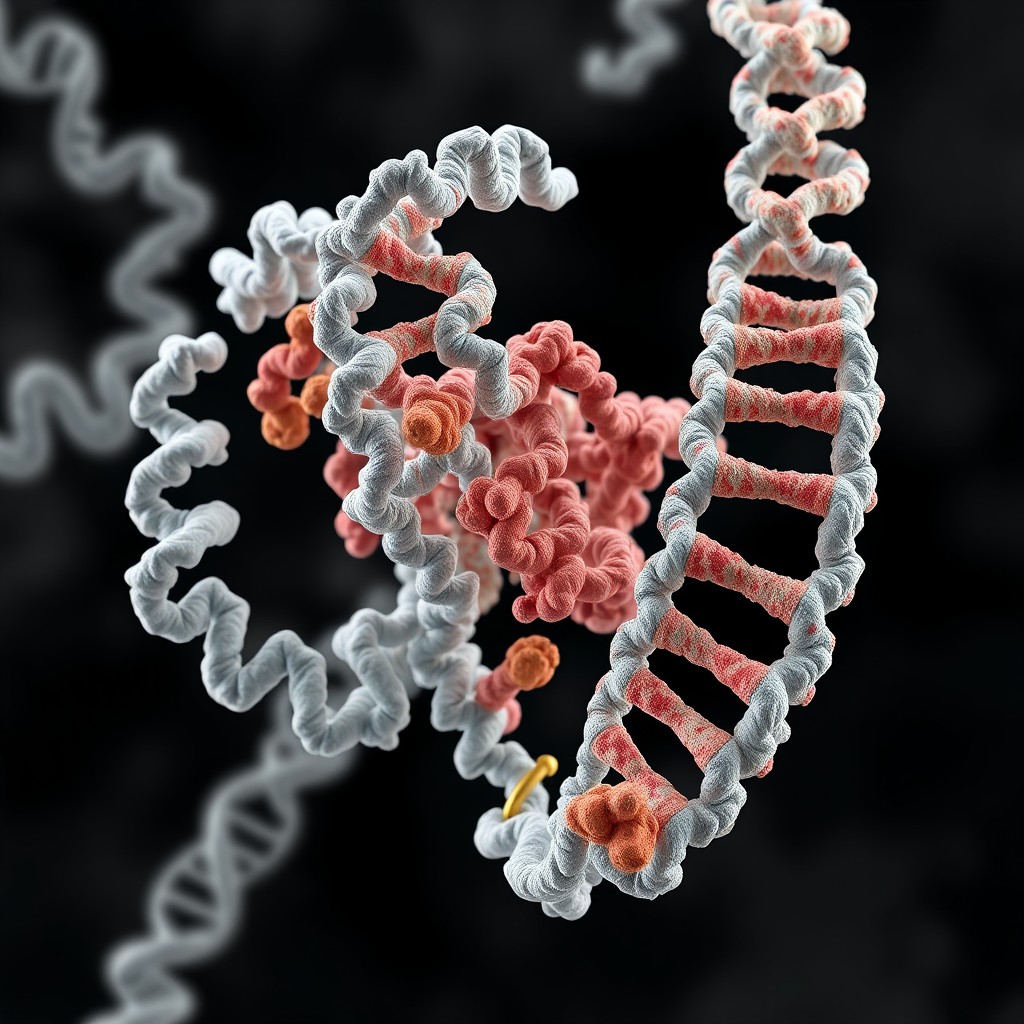 Nature Genetics🤖 Resumen de IA
Discovery of an Atypical Protein Barrier that Prevents Chromatin Penetration, Maintaining Genome Stability and Increasing Crop Yield
Background The chromosomes of living organisms, which contain genetic information, are controlled by a highly precise regulatory system. Demethylases, enzymes that remove methyl groups (Methyl group) attached to DNA or RNA, are key molecules that regulate gene activation. If these enzymes lose control and indiscriminately activate any region of the genome, it can lead to fatal diseases such as cancer, and genomic instability will also increase significantly. Previously, the biological community believed that intrinsically disordered regions (IDRs), which are proteins with no fixed three-dimensional structure, mainly induce phase separation and act as promoters to help gene expression. However, it has not been revealed that this flexible structure actually plays a role as a brake that limits the excessive access of enzymes to chromatin. Key Findings The research team led by Professor Chuan He at the University of Chicago questioned why FTO and ALKBH5, representative RNA demethylases, have similar active sites but different mechanisms of action. The research team precisely observed the molecular behavior of the two enzymes using protein binding analysis and gene sequencing techniques. The analysis revealed that the IDR located at the C-terminus of ALKBH5 acts as a physical anchor that binds the enzyme to messenger RNA (mRNA). The researchers explained that this device physically limits the binding of the enzyme to chromatin, thereby preserving the stability of the genome inside the cell. The research team designed an experiment to remove the C-terminal IDR of ALKBH5 using a mammalian cell model. The enzyme, which lost its inhibitory device, showed a pattern of immediately moving from mRNA to chromatin-associated RNA (caRNA). The removal of this barrier resulted in opening the chromatin structure and stimulating gene transcription activation. Furthermore, the research team turned their attention to plant research. They induced mutants by transplanting a nuclear localization signal (NLS) into ALKBH5 homologs of Arabidopsis and Rice and removing specific IDR regions. As a result, it was observed that the expression of genes that regulate photosynthesis and growth was accelerated in the mutant plants, and the root development was accelerated, resulting in a significant increase in yield and biomass compared to the control group. The researchers added that this inhibitory mechanism is conserved in various chromatin-modifying proteins, such as histone demethylase, and prevents the abnormal activation of transposable elements. Significance and Prospects This research overturned the long-held belief in the academic community that flexible, intrinsically disordered structures only promote protein activity. It proved that IDRs can actually function as molecular brakes that control the spatial arrangement of enzymes and regulate chromatin binding. This is considered to be a strategy that living organisms have evolutionarily selected to prevent indiscriminate activation of the entire genome and maintain stability. The academic community expects that this research will open a new path for crop improvement. By finely adjusting the genetic brakes that plants use to inhibit their own growth, it will be possible to develop new varieties that can respond to climate change and food crises. However, the long-term impact of artificially removing IDRs on the overall stability of the genome has not yet been verified. Rapid gene activation may cause unexpected side effects on the plant's lifespan or resistance to diseases and pests, so comprehensive safety verification is required.
💡 This research has the potential to contribute directly to the agricultural sector and increase the income of farmers. A representative application scenario is to precisely correct the IDR sequence of the ALKBH5 gene in crops using the CRISPR gene editing technique without introducing external genes. This technology is classified as a gene-edited crop and is expected to significantly shorten the safety assessment period compared to existing genetically modified crops (GMOs). By applying this to areas facing food crises and distributing rice or wheat varieties that can grow roots widely and quickly even in poor soil, it can greatly contribute to solving the food shortage. The inhibitory mechanism revealed in animal cells is also a useful target in the medical and pharmaceutical industries. By targeting cancer cells in which cancer genes are indiscriminately activated due to the overactivation of FTO or ALKBH5, and administering small molecule compounds that mimic the IDR brake, it is predicted that a new drug development pathway will be opened to inhibit tumor growth.
 Nature Genetics🤖 Resumen de IA
A pangenome map of 125 cucumber varieties reveals the secrets of disease resistance and fruit length evolution
Background Existing crop genome studies have tended to rely heavily on reference genomes of single varieties. However, it is realistically difficult for a single standard genome alone to perfectly reflect the genetic diversity among individuals. In particular, the popular Single Nucleotide Polymorphism (SNP) analysis method is useful for identifying micro-variations, but it has limitations in detecting structural variations (SVs) where thousands of base pairs are swapped. Cucumber, originating in India, has spread around the world, and traits such as fruit length and disease resistance have diversified in response to the climate. Breeders aim to maximize genetic potential and develop superior new varieties. However, the genomic map that identifies the key variations that cause trait changes has long been shrouded in mystery. As the need arises to integrate the genetic information of all cucumber varieties in order to respond agilely to climate change and emerging pests and diseases, the time has come for a massive gene map. Key Findings The Vegetable and Flower Research Institute of the Chinese Academy of Agricultural Sciences (CAAS) and Qingdao Agricultural University jointly conducted a study to address this issue, performing precise genetic analysis on 125 cucumber varieties. The research team completed chromosome-level genome assemblies for each variety and successfully constructed a large-scale, graph-based pangenome by organically linking them. The high-confidence SVs identified by this pangenome map totaled 171,892. Furthermore, the researchers boldly attempted a Genome-Wide Association Study (GWAS) based on SVs, targeting 38 key agricultural traits of cucumber. The analysis revealed that more than 60% of the overall genetic signals were SV-specific association signals that could not be detected by existing SNP analysis methods. This is considered to have maximized the interpretability of genetic diversity in the genetic variation analysis model. With this genomic map, the research team successfully discovered key genes that have long been a challenge for breeders. A notable achievement is the gene cloning of 'CsCcu', a cucumber black spot resistance gene. This resistance gene was previously in a state of loss due to variation in the single reference genome, but the gene location and sequence were finally restored by precisely tracing back the pangenome graph. The research team also focused on identifying the causative variations that determine cucumber fruit length. The analysis revealed that a specific Long Terminal Repeat (LTR) transposon inserted in the first exon region of 'CsSPL1', a plant growth regulation gene, acts as a positive regulator that increases cucumber fruit length. Cucumbers with this LTR transposon have long fruits, which explains the preference differences and breeding path divergence between short cucumbers in Eurasia and long cucumbers in East Asia. Significance and Prospects The graph pangenome map constructed in this study is attracting attention as an asset that will change the paradigm of crop genome research. It now provides the foundation for molecular design breeding, which can artificially control commercially valuable complex traits such as specific pathogen resistance or fruit length. In the past, conventional breeding methods were passive, waiting for traits to be expressed over several generations after cross-breeding. Pangenome-based molecular design can be defined as an engineering process that precisely targets and assembles target genes. However, there are still technical hurdles to overcome before these genetic variations can be applied to commercially cultivable common cucumber varieties. In the process of introducing excellent genes from wild species into cultivated species, unexpected trait changes, such as growth reduction or taste changes, are often observed. The precise working mechanism of the multi-gene network that responds to climate change has not yet been fully elucidated. The research team expresses its intention to combine artificial intelligence (AI) technology and integrated biological analysis methods in the future to elucidate this complex genetic association.
💡 This pangenome information provides direct solutions for the agricultural sector and the seed industry. In the past, it took 7-10 years to fix useful traits in conventional cucumber breeding, but the introduction of the newly developed SV-based genetic markers has drastically reduced the breeding period to 3-5 years. A typical application scenario is the selection of black spot-resistant individuals. Seed companies use SV markers around the newly discovered 'CsCcu' gene to accurately screen for resistant individuals at the seedling stage. In addition, when developing long cucumbers for the East Asian market, the LTR insertion in the 'CsSPL1' gene can be checked using a gene chip to control fruit length. As a result, producers will benefit from a significant reduction in pesticide costs for pest and disease control. Breeders are also expected to strengthen their export competitiveness in the global market by designing cucumber new varieties tailored to market demand.