Hepta's AI-powered liquid biopsy successfully predicts treatment response to Novo Nordisk's semaglutide for obesity
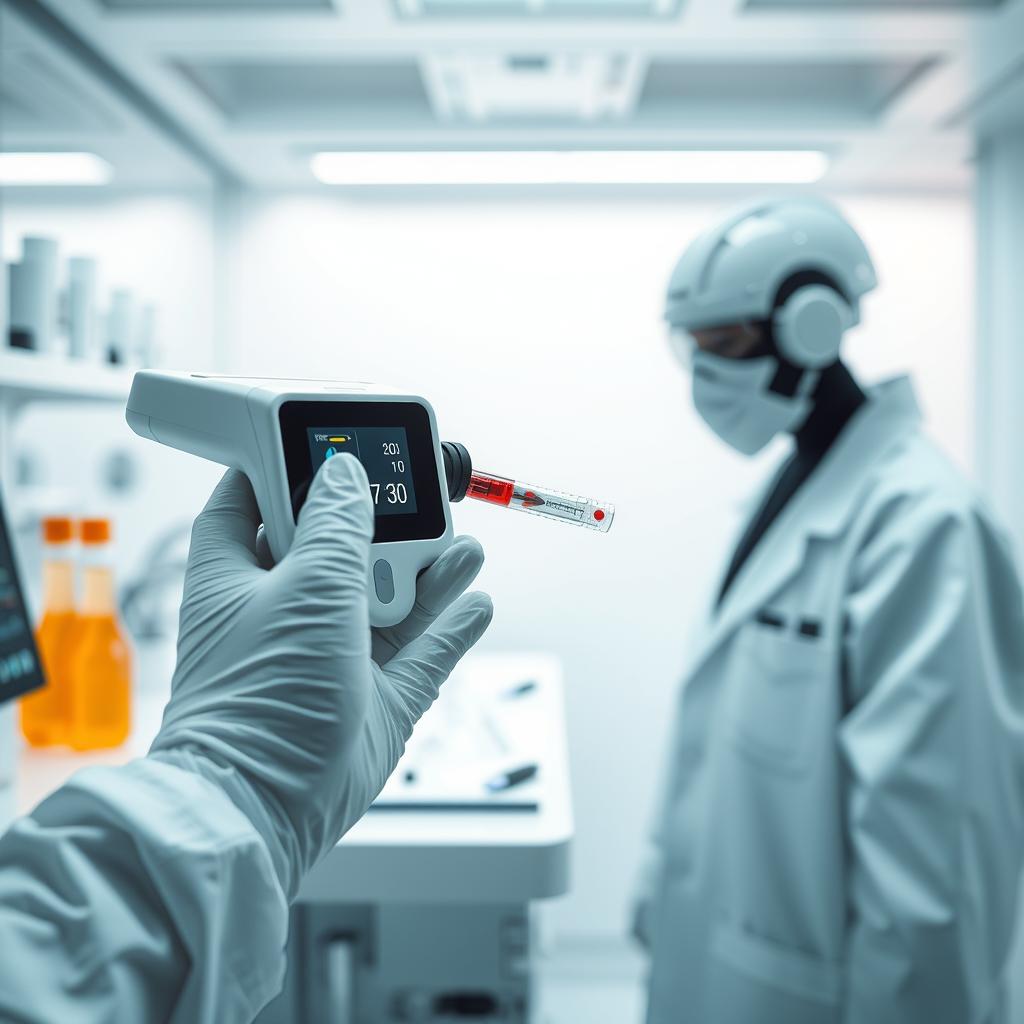
Subtitle 1: Ushering in an Era of Personalized Treatment
Novo Nordisk's (NVO) semaglutide (brand names Wegovy/Ozempic), a leading obesity treatment, has demonstrated significant efficacy. However, individual patients exhibit varying degrees of weight loss. MedTech startup Hepta addressed this unmet clinical need by presenting clinical data at 'Digestive Disease Week (DDW) 2026' that identifies individual treatment responses in advance. This represents a significant advancement, enabling healthcare professionals to predict a patient's likelihood of responding to high-cost GLP-1 (glucagon-like peptide-1) receptor agonists before prescribing them. By introducing a diagnostic prediction model to the obesity treatment market, Hepta aims to significantly reduce inefficient prescriptions and associated costs.
Subtitle 2: AI Algorithm Captures Epigenetic Signals
Hepta's proprietary AI-based liquid biopsy platform, 'LiquidTransformer,' analyzes metabolic and hormone-related biomarkers in blood. Through the SAMARA clinical trial, the company analyzed blood samples from overweight or obese patients with metabolic dysfunction-associated steatohepatitis (MASLD), identifying significant patterns before treatment initiation. Researchers trained the AI on chemical epigenetic signals in circulating cell-free DNA (cfDNA), specifically methylation patterns related to fat synthesis and storage. This enabled them to accurately pre-identify 'responders' – patients who experienced at least a 10% reduction in weight after one year of drug administration.
Subtitle 3: A Win-Win Market Ecosystem for Pharma and Patients
Improved treatment efficacy translates to reduced healthcare costs and increased patient satisfaction. From a pharmaceutical perspective, focusing marketing efforts on patients who are most likely to benefit maximizes the commercial success of the product. This is particularly relevant in the competitive market with drugs like Eli Lilly's (LLY) tirzepatide (brand names Zepbound/Mounjaro), where Hepta's solution can serve as a companion diagnostic. By monitoring the drug's biological effects throughout the treatment cycle, personalized medicine can be achieved through real-time dosage adjustments.
Subtitle 4: From MASH Diagnosis to Global Partnerships
Hepta was founded by key personnel from Illumina, Grail, and Google and has secured $6.7 million in seed funding. The company's initial pipeline targets the metabolic dysfunction-associated steatohepatitis (MASH) indication for semaglutide, which received FDA accelerated approval on August 15, 2025, and the market for Madrigal's (MDGL) resmetirom (brand name Rezdiffra). In the future, Hepta plans to conduct large-scale, multi-center validation studies to enhance the platform's sensitivity and specificity and obtain regulatory approvals from the FDA and other global regulatory agencies. The company is also actively seeking to establish collaborative relationships with global pharmaceutical companies to expand into other chronic metabolic diseases.
Hepta's AI-powered liquid biopsy technology, demonstrated in the SAMARA clinical trial, identifies patients who achieve at least a 10% weight reduction after one year, thereby maximizing the diagnostic efficiency of the global obesity treatment market, which is valued at $8.2 billion in 2025. This diagnostic technology offers short-term benefits by increasing the long-term prescription retention rate of Novo Nordisk's (NVO) semaglutide compared to Eli Lilly's (LLY) tirzepatide. In the medium to long term, it has the potential to become the standard for monitoring treatment response for various targeted therapies in the metabolic dysfunction-associated steatohepatitis (MASH) treatment market, which is projected to grow to $28.5 billion by the mid-2030s, including Madrigal's (MDGL) resmetirom. With $6.7 million in seed funding, Hepta is poised to obtain regulatory approvals through large-scale confirmatory clinical trials, which is expected to stimulate the companion diagnostics field and increase demand for related research personnel.
Source: FierceBiotech (rss)
https://www.fiercebiotech.com/medtech/new-hepta-blood-test-could-predict-glp-1-response