FDA Selects Eli Lilly, Regeneron, and Six Other Companies for Pre-Approval Pilot Program, Accelerating Domestic Pharmaceutical Manufacturing
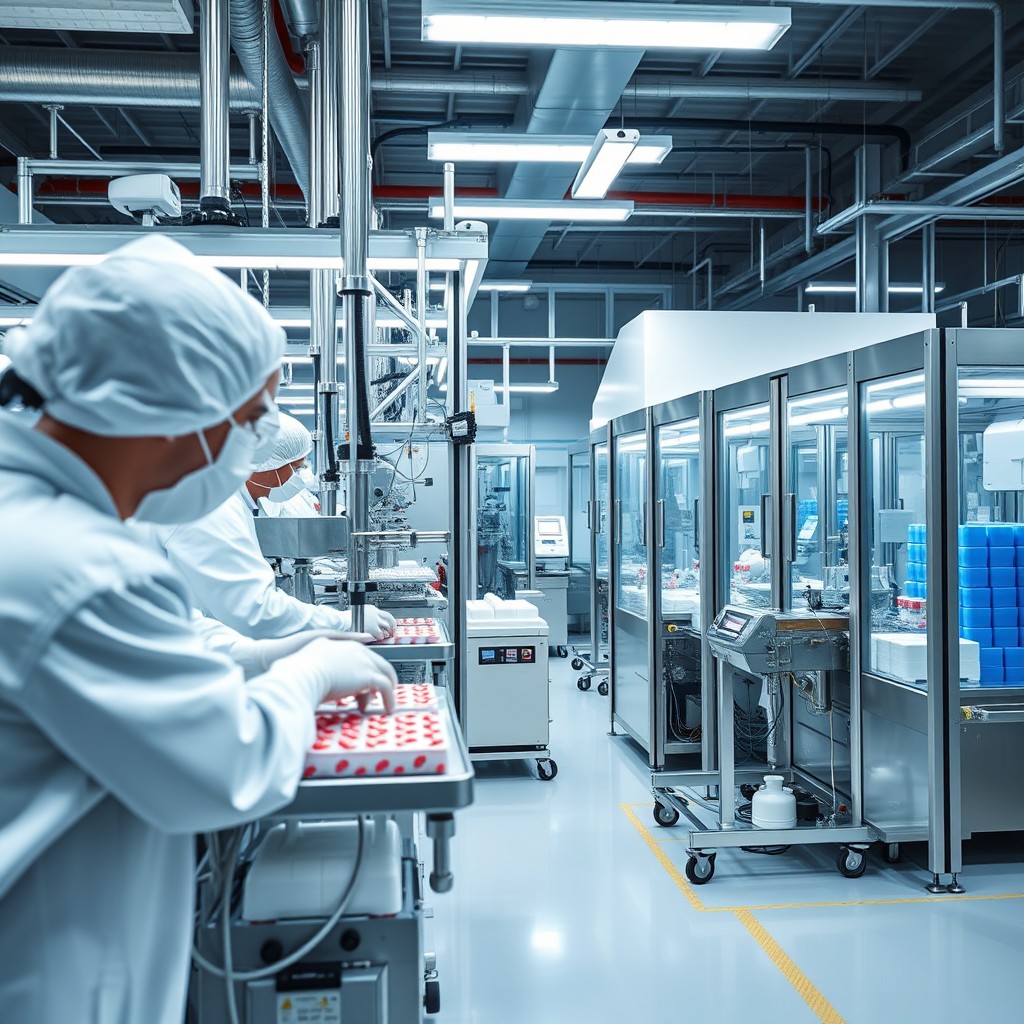
A Turning Point in U.S. Pharmaceutical Manufacturing Regulation
The U.S. Food and Drug Administration (FDA) has officially announced the seven companies selected for its 'PreCheck Pilot Program,' designed to expedite the regulatory approval process for domestic pharmaceutical manufacturing facilities. This initiative follows Executive Order 14293, issued by the Donald Trump administration in May 2025, and aims to address vulnerabilities in the U.S. pharmaceutical supply chain, which has historically relied heavily on foreign sources. The selected companies will receive intensive pre-approval reviews from the FDA, potentially reducing the time required for final facility assessments and inspections by up to 14 months. This represents a significant opportunity for large biotech companies with global contract development and manufacturing organization (CDMO) operations and in-house manufacturing capabilities to increase their investment attractiveness in the U.S.
A Diverse Portfolio of Seven Selected Companies
The pilot program includes seven innovative companies spanning the entire biopharmaceutical spectrum, from small molecule drugs to gene therapies. Eli Lilly (LLY) will focus on its active pharmaceutical ingredient (API) manufacturing facility in Lebanon, Indiana, while Regeneron (REGN) will concentrate on its sterile injectable and monoclonal antibody production facility in New York. Cellares, a cell and gene therapy (CGT) platform, and Kriya Therapeutics will also participate, contributing to the diversification of advanced modality supply chains. Furthermore, FUJIFILM Diosynth Biotechnologies and Kyowa Kirin, both international companies with significant biopharmaceutical manufacturing operations in the U.S., will also benefit from expedited review pathways.
Reshaping the Global Biopharmaceutical Manufacturing Landscape
The U.S. is offering these comprehensive regulatory benefits to capture a larger share of the estimated $38.8 billion U.S. biopharmaceutical CDMO market in 2025. By reducing the lengthy and uncertain FDA approval timelines associated with building new manufacturing facilities in the U.S., the FDA aims to attract more investment in domestic production. This will benefit patients by ensuring a more immediate and reliable supply of critical medicines, including cancer therapies, treatments for rare diseases, and sterile injectable drugs, which have historically been vulnerable to supply disruptions. Ultimately, this initiative is expected to mitigate the risks associated with geopolitical instability and streamline the market access of new drugs.
Medium- to Long-Term Effects on Investment and Employment
This announcement goes beyond simply facilitating factory approvals; it is designed to stimulate billions of dollars in private investment and create high-skilled jobs within the U.S. Eli Lilly has already announced plans for significant expansion of its manufacturing facilities, and FUJIFILM plans to create thousands of new jobs through the operation of its North Carolina facility. For biopharmaceutical investors, the PreCheck program offers a compelling advantage, as participating facilities will be able to achieve a significant speed advantage in the commercialization of new drugs compared to their competitors. For job seekers, the new facilities of these seven companies will represent prime opportunities for employment in process development, quality assurance (QA), and quality control (QC).
With the U.S. biopharmaceutical CDMO market estimated at $38.8 billion in 2025, this FDA program reduces factory approval timelines by up to 14 months, enabling participating companies to accelerate their market entry. In the short term, companies like Eli Lilly (LLY) and Regeneron (REGN), as well as cell and gene therapy (CGT) companies such as Cellares and Kriya, can mitigate regulatory uncertainties and stabilize their clinical-stage supply chains. In the medium to long term, this initiative will allow these companies to gain a competitive edge over existing market leaders like Lonza, fostering a shift towards a U.S.-centric manufacturing landscape. The reduction in indirect costs associated with regulatory delays and the increased predictability of market launch timelines will enhance investor capital efficiency. Furthermore, the program is expected to create a significant number of high-quality jobs, particularly in process engineering and QA/QC roles within manufacturing facilities.