UTHealth Houston Launches Clinical Trial to Investigate TMS for PTSD Patients
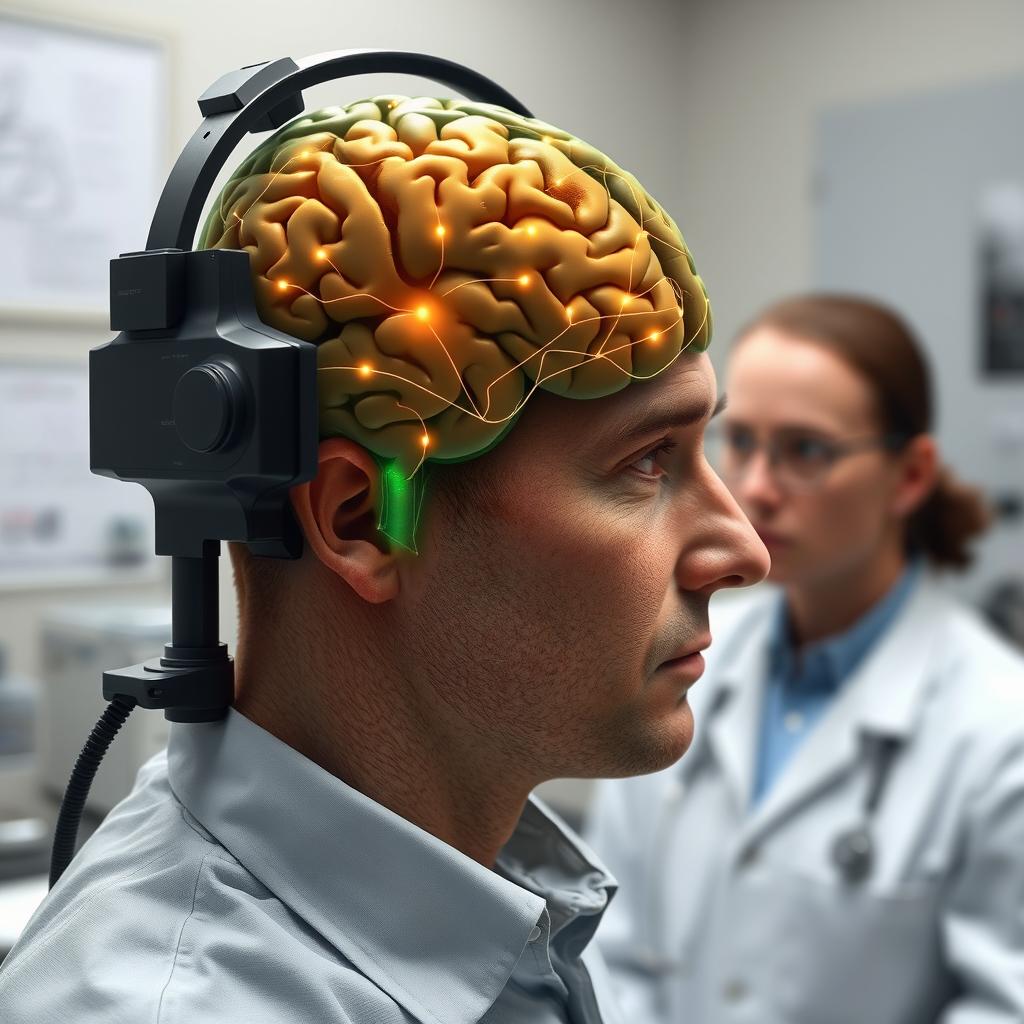
Pioneering Neurostimulation for PTSD Treatment
Patients with Post-Traumatic Stress Disorder (PTSD) often experience limited success with conventional treatments like medication and Cognitive Behavioral Therapy (CBT) in suppressing fear responses. This clinical trial, led by UTHealth Houston and supported by the National Institute of Mental Health (NIMH), explores the use of Transcranial Magnetic Stimulation (TMS) to directly modulate brain circuitry. The goal is to address the underlying causes of the disorder by regulating the prefrontal-amygdala circuit, which is responsible for inhibiting and extinguishing fear memories. This approach could mark a shift in treatment paradigms, expanding into the field of bioelectronic medicine.
fMRI-Based Personalized Treatment Design and Clinical Protocol
This clinical trial (NCT05368987) involves a three-day protocol incorporating functional Magnetic Resonance Imaging (fMRI) for a total of 250 participants. On day one, fMRI scans are used to map individual brain structures and customize the target locations for TMS. On day two, participants undergo fear extinction training combined with TMS delivered at a frequency of 20Hz and an intensity of 120% of the motor threshold. On day three, a final fear extinction recall test is conducted to assess the ability to suppress fear memories.
Mechanism of Fear Memory Extinction Through Brain Circuit Normalization
The study investigates whether it can restore the ability to extinguish fear in patients with fear extinction deficits. Skin Conductance Response (SCR) and fMRI BOLD signals are measured as primary outcome measures. By quantifying changes in neuronal activity and emotional arousal, the researchers aim to demonstrate symptom improvement at the biomarker level. If this mechanism is proven, it could establish standardized parameters for neuromodulation to physically control fear responses.
Unmet Medical Needs and Commercial Value of the Global PTSD Market
The global PTSD treatment market is currently valued at approximately $2 billion, and could reach up to $20 billion when including service infrastructure. However, only a few FDA-approved first-line drugs, such as the selective serotonin reuptake inhibitor (SSRI) sertraline, are available, and they have significant side effects. TMS, a non-invasive treatment, has fewer systemic side effects and could be rapidly adopted commercially. As a result, the global TMS device market is projected to grow at a CAGR of 9.4% by 2030 due to the expansion of indications.
Future Regulatory Prospects and Opportunities for Neuroscience Startups
This study, which began in February 2022, is currently recruiting patients, with an expected completion date of September 2028. Although it is still in the early stages as a single-center study, positive top-line data could lead to a rapid expansion into a global, multi-center Phase 3 trial. This could provide new opportunities for companies like BrainsWay (BWAY) and Neuronetics (STIM), which have already obtained regulatory approval for depression treatment. Furthermore, it could open up opportunities for digital healthcare startups focused on brainwave analysis to collaborate on large-scale development and technology licensing partnerships.
This study is significant because it offers a non-invasive bioelectronic medicine option that could complement existing SSRI treatments in the $2 billion global PTSD drug market. In the short term, the clinical validation of an fMRI-based, personalized TMS stimulation protocol will serve as a key milestone in determining the direction of indication expansion for leading companies such as BrainsWay (BWAY) and Neuronetics (STIM). In the medium to long term, the accumulation of data from 250 patients will enhance the potential for technology expansion into the brain-computer interface (BCI) and digital healthcare markets, creating a significant impact on the neuroscience research ecosystem. Compared to psilocybin-based psychedelic therapies being explored by competitors such as Compass Pathways (CMPS), TMS has a distinct advantage in terms of safety, with significantly lower risks of addiction or adverse effects, making it easier to overcome regulatory hurdles. Therefore, September 2028, when the top-line data is expected to be released, will be a critical turning point for venture capital (VC) firms and device manufacturers in the neuromodulation field, shaping their licensing and co-development strategies.
Source: ClinicalTrials.gov (api_ct)