FDA Issues Guidance on Biosimilar Devices, Including Adalimumab, Clarifying Regulatory Hurdles for Companies Like Celltrion.
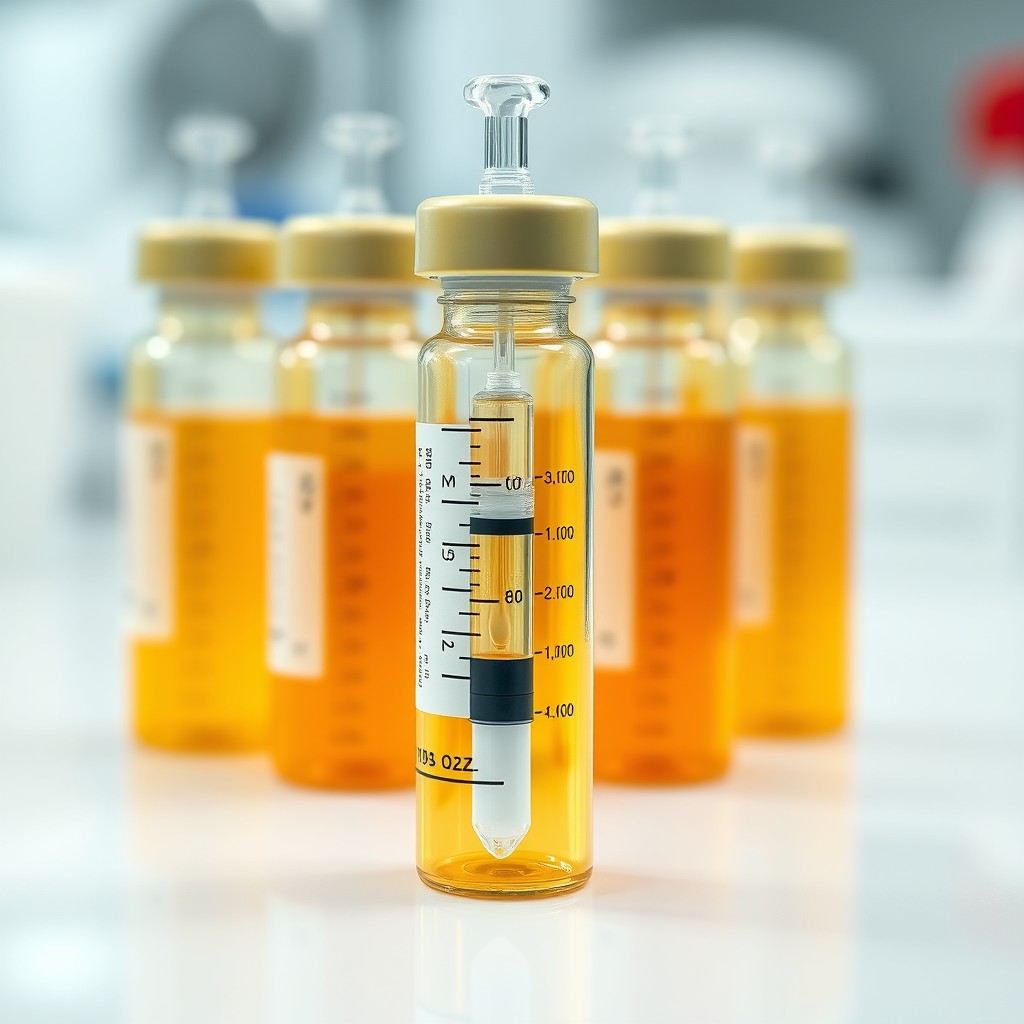
FDA Establishes Guidance on Combination Biosimilar Devices
The U.S. Food and Drug Administration (FDA) has released a draft guidance document, effective July 31, 2026, addressing the Container Closure Systems (CCS) and Device Constituent Parts of biosimilars and interchangeable biosimilars. This guidance aims to ensure not only drug equivalence but also the physical compatibility and safety of devices used directly by patients in combination products. This is a regulatory measure established because the specifications of auto-injectors or prefilled syringes directly affect therapeutic outcomes.
Flexibility in Device Design and New Regulatory Hurdles
This guideline allows for minor design differences between the reference product and the biosimilar device while requiring developers to demonstrate the impact. Developers must meticulously prove that device changes do not negatively affect drug delivery rate or physicochemical stability. In particular, it stipulates the submission of detailed human factors data to prevent the risk of device malfunction during patient use.
Changes in Competitiveness Surrounding Interchangeable Designation
For companies seeking interchangeable biosimilar designation, which allows for substitution at the pharmacy level, this guidance has a greater impact. Demonstrating safety in out-of-office dispensing is crucial, and the convenience of devices such as auto-injectors influences prescription market share. In addition to adalimumab biosimilars like Hadlima and Yuflyma, which are already competing in the U.S. market, this will be a key battleground for the approval of major products such as pembrolizumab subcutaneous formulation, with annual sales of $25 billion.
Global Supply Chain Stability and Post-Approval Standards
This guidance also details post-approval standards that must be followed when changing manufacturing processes or container components. This can help address recent global supply chain instability issues. Diversification of CCS components such as glass vials or rubber stoppers can reduce the risk of production disruptions if approved through a rapid regulatory pathway.
Corporate Regulatory Response and Valuation Prospects
This guidance will be a catalyst for market restructuring, favoring leading developers that can independently overcome device patents and combination product regulations. In fact, Samsung Bioepis has met the primary endpoints of Phase 1 and Phase 3 clinical trials for its pembrolizumab biosimilar, SB27, by June 2026, while Celltrion is adapting to the trend of regulatory easing by withdrawing its Phase 3 European clinical trial in July and pursuing changes to its U.S. clinical plan. Investors should focus on leading companies with device design and supply chain control capabilities, rather than simple replication technology, when evaluating valuation.
This guidance is a key indicator in determining the entry barriers for blockbuster combination drug markets, including adalimumab, which recorded sales of $21.2 billion, and pembrolizumab, with sales of $25 billion, which is facing patent expiration. In the short term, it will increase the cost of demonstrating human factors data for developers such as Samsung Bioepis, which has met the Phase 1 and Phase 3 primary endpoints for its pembrolizumab biosimilar, SB27, by June 2026, and Celltrion, which is proactively responding to regulatory changes in the U.S. by withdrawing its Phase 3 European clinical trial. In the medium to long term, it will promote market restructuring, favoring leading companies that have completed independent auto-injector designs to counter the device patent barriers of originator companies such as AbbVie and Merck. In particular, by providing clear design compatibility guidelines for latecomers seeking interchangeable designation, as seen in the cases of Cyltezo and Simlandi, it has the effect of offsetting regulatory uncertainty at the approval stage.