European Medicines Agency approves Desloratadine (Deselta) on November 28, 2011
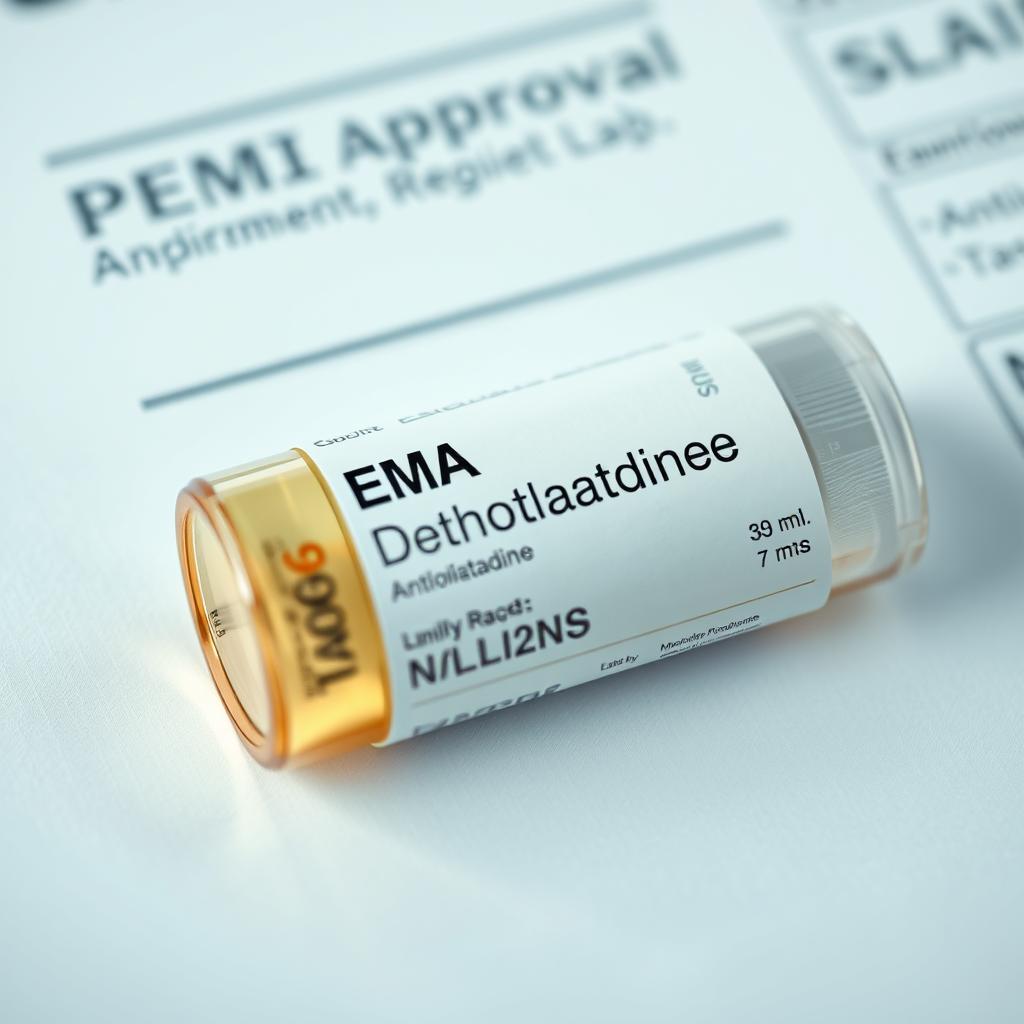
Approval Background
Desloratadine is a second‑generation histamine H1 receptor antagonist that alleviates allergic symptoms such as rhinitis and conjunctivitis. Clinical trials demonstrated a markedly lower incidence of sedation compared with first‑generation antihistamines. This safety and efficacy data formed the primary basis for EMA approval.
Positioning Relative to Competitors
The market currently includes several over‑the‑counter antihistamines such as cetirizine and loratadine. Desloratadine differentiates itself with a 24‑hour duration of action and a low‑sedation profile. Consequently, it is well positioned to become a premium product among allergy patients and healthcare providers.
Reimbursement and Market Entry Constraints
In several European countries, reimbursement has already been secured, but price competitiveness requires comparison with generic products. Moreover, if the product is reclassified as non‑prescription, the scope of reimbursement could be reduced. These factors may constrain market‑share expansion.
Market Size and Growth Outlook
According to EMA approval documents, the European allergy‑treatment market is valued at several billion euros annually, with the antihistamine segment exhibiting sustained growth. Demand for low‑sedation, high‑efficacy products is increasing, leading to a positive assessment of Desloratadine’s revenue potential.
Desloratadine’s low‑sedation, high‑efficacy profile differentiates it within allergy‑treatment portfolios and offers long‑term revenue growth potential. These attributes are critical considerations for drug development managers and sales teams when formulating market‑entry strategies.
Source: EMA (ema)