University Children's Hospital Basel Launches Clinical Trial to Detect Early Pulmonary Damage in Children Caused by Toxic Chemotherapy Drugs Such as Bleomycin
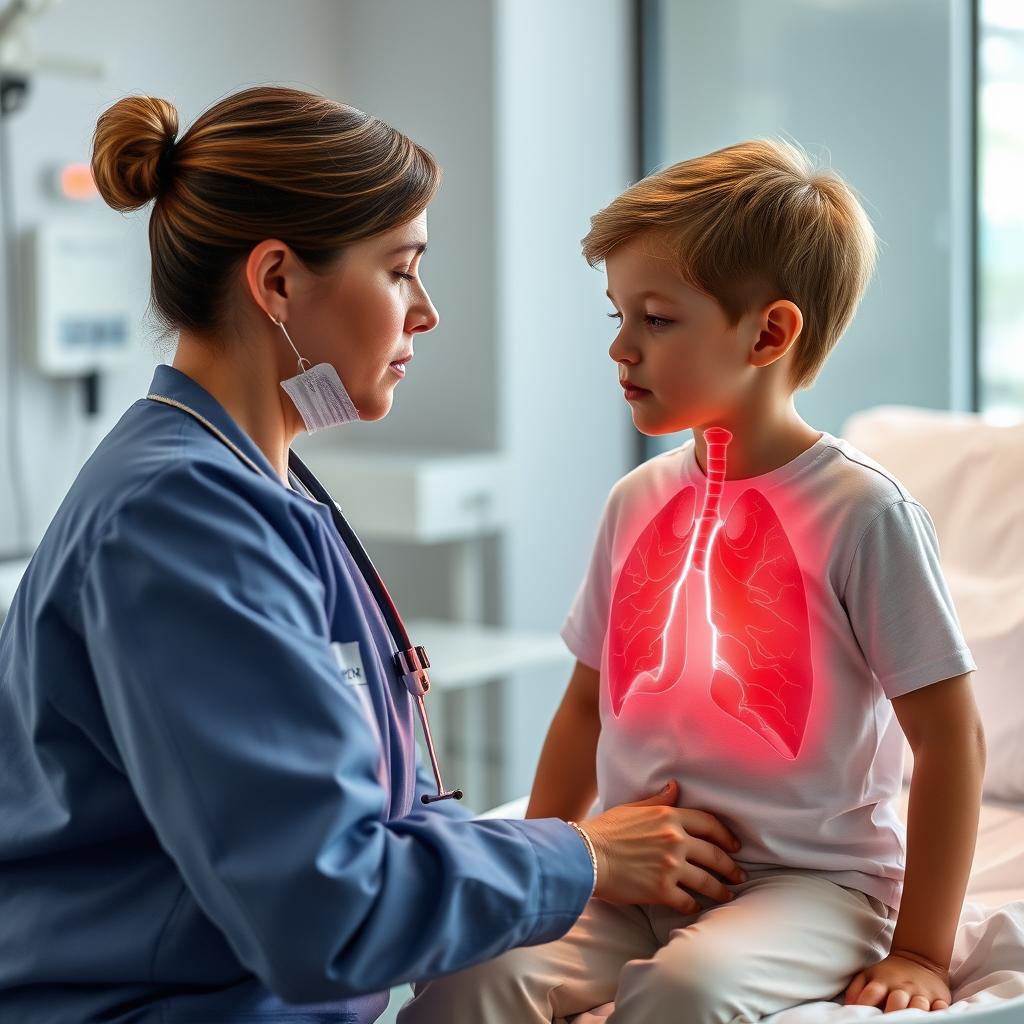
New Obstacle in Overcoming Childhood Cancer: 'Pulmonary Toxicity'
As the survival rate of childhood cancer patients improves, managing long-term side effects during treatment, particularly pulmonary toxicity, has become a core challenge in modern pediatric oncology. The 'SWISS-Pearl' clinical trial, led by the University Children's Hospital Basel, is designed to precisely monitor early pulmonary dysfunction caused by exposure to highly toxic alkylating agents and chemotherapy regimens such as Bleomycin and Carmustine. Existing adult-based diagnostic methods have limitations in detecting subtle airway changes in pediatric patients early on, reflecting the researchers' intention to establish a pediatric-specific standard screening protocol. This represents a paradigm shift in clinical practice, aiming not only to improve survival rates in cancer treatment but also to ensure the long-term quality of life for cured patients.
Scientific Mechanism of Multi-Modal Diagnostics
This trial is a prospective cohort study involving 140 pediatric patients at multiple institutions, combining various non-invasive diagnostic techniques to comprehensively assess lung damage. Nitrogen Multiple-Breath Washout (N2MBW) will be used to precisely measure ventilation inhomogeneity not only in the large airways but also in the small airways. In addition, functional lung MRI, which eliminates concerns about radiation exposure, and a Secondary Electrospray-Ionization Mass Spectrometry (SESI-MS)-based breath analysis platform are integrated. This allows for the tracking of changes in volatile organic compounds (VOCs), such as 4-hydroxy-2-nonenal, a biomarker of oxidative stress, to diagnose early small airway damage at the molecular level.
Impact on the Pharmaceutical and Supportive Care Markets
The real-time lung damage data and biomarker information accumulated in this study will be of immense value in the global cancer supportive care market. The cancer supportive care market, valued at approximately USD 35.47 billion in 2024, is experiencing annual growth of more than 5%, driven by the increasing demand for long-term support for pediatric cancer patients. In particular, pharmaceutical companies can leverage the precise lung function indicators from this study as endpoints when designing targeted clinical trials for pulmonary fibrosis prevention agents or cytoprotective agents. This could lead to the development of companion therapies that extend the duration of chemotherapy treatment, which has been limited due to toxicity risks.
Linking Longitudinal Tracking with Palliative Care and Precision Medicine
According to the clinical protocol, patients will be followed longitudinally from baseline before treatment to a maximum of two years after treatment completion. In addition, a genome-wide association study (GWAS) will be conducted in parallel, using germline DNA samples donated to the Swiss Pediatric Biobank (BaHOP) to identify pharmacogenomic susceptibility factors. This comprehensive approach will lay the foundation for implementing true pediatric precision medicine by genetically identifying high-risk pediatric patients who are susceptible to specific chemotherapy-induced toxicities and adjusting drug dosages in advance.
The SWISS-Pearl study presents a diagnostic protocol for non-invasively detecting early pulmonary damage in pediatric patients undergoing chemotherapy regimens with pulmonary toxicity, such as Bleomycin, thereby establishing objective evaluation indicators for the pediatric cancer supportive care market. In the global cancer supportive care market, valued at USD 35.47 billion in 2024, and the pediatric cancer therapeutics market, which is expected to grow to USD 7.8 billion in 2030, it will provide precise clinical data (LCI, SESI-MS VOC, etc.) for companies developing lung protectants and early diagnostic devices. In the short term, it will promote the expansion of MRI technology and lung function analysis platforms from companies like Siemens Healthineers into the pediatric cancer field, and in the medium to long term, it is expected to revitalize the companion diagnostics biomarker market for screening high-risk patients. This is a significant turning point that overcomes the limitations of the existing standard treatment, simple spirometry, and accelerates the commercialization of personalized supportive care by combining genomic analysis (GWAS) to predict individual patient risks in advance.
Source: ClinicalTrials.gov (api_ct)