University of Pittsburgh Launches Pilot Clinical Trial to Evaluate the Safety of Autologous Spermatogonial Stem Cell Transplantation and Testicular Tissue Transplantation
Addressing Fertility Preservation Before Cancer Treatment and the Challenges in Pediatric Cancer Patients
Male cancer patients undergoing gonadotoxic treatments such as chemotherapy or radiation therapy have a very high probability of experiencing infertility side effects, such as azoospermia, after treatment. In adult men, semen cryopreservation, which involves collecting and freezing semen before treatment, is the standard treatment. However, this is not possible for pre-pubescent pediatric patients who do not produce sperm. Testicular tissue cryopreservation, which involves freezing testicular tissue before treatment and then restoring reproductive function, is a technology aimed at addressing this issue in pediatric and adolescent patients, and this clinical trial is the first systematic attempt to realize this.
Autologous Stem Cell Transplantation and Autologous Testicular Tissue Grafting Mechanisms
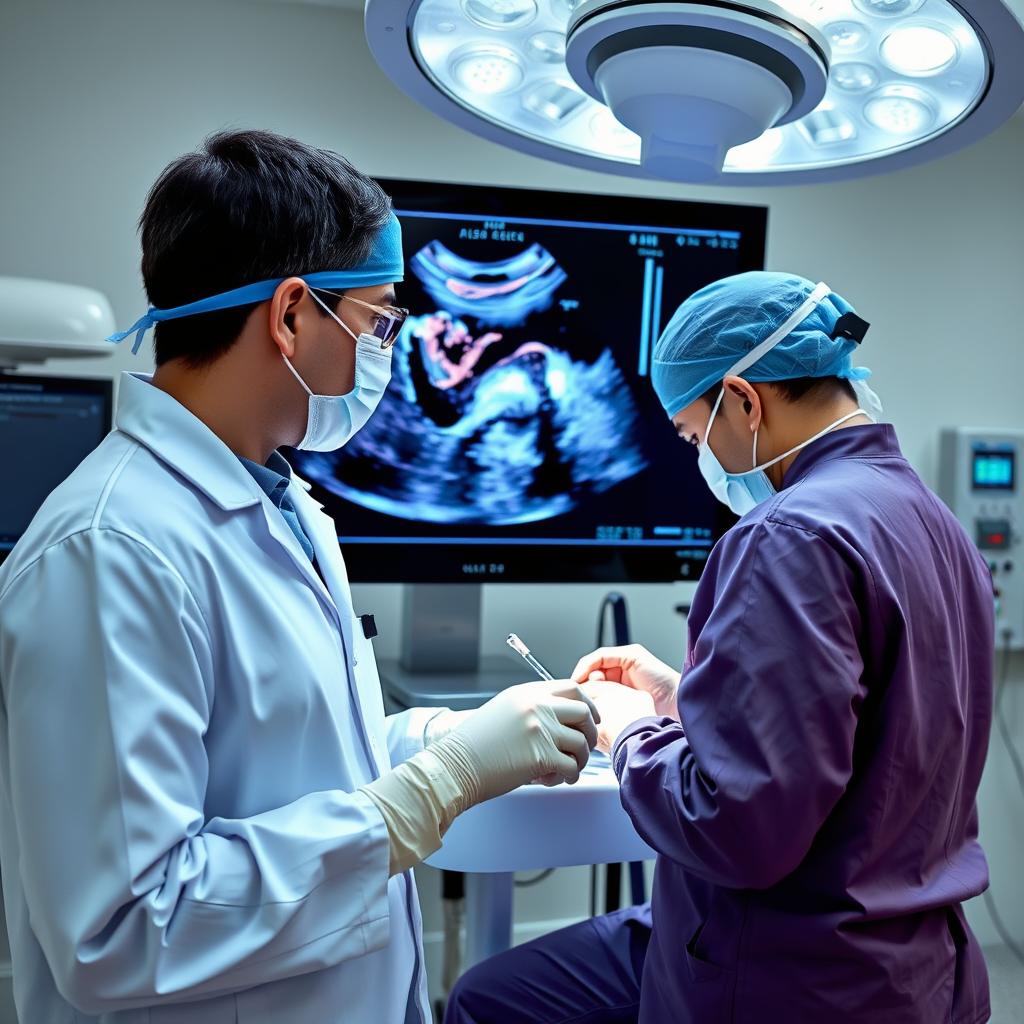
The research team at the University of Pittsburgh, led by Dr. Kyle Orwig, is testing two key mechanisms that utilize spermatogonial stem cells (SSCs) present in frozen testicular tissue. The first is a cell transplantation method in which a cell suspension isolated from the testicular tissue is injected into the rete testis using ultrasound-guided rete testis (UGRT) technology. The second is an autologous grafting method in which immature testicular tissue fragments are implanted under the scrotal skin to induce the development of surrounding blood vessels and promote sperm formation in a natural hormonal environment.
Patient-Specific Clinical Design and Strict Efficacy Evaluation Indicators
This clinical trial (NCT04452305) is a pilot study to evaluate the safety and feasibility in 10 patients who had their testicular tissue cryopreserved before gonadotoxic treatment. The research team will confirm that the patients are at least in the late stage of puberty (Tanner stage 3) and are in good health to withstand anesthesia and surgery before performing the transplantation. The primary endpoint is to confirm the resumption of spermatogenesis by semen analysis or testicular biopsy between 3 months and 1 year after transplantation, and the secondary endpoint is to monitor the 5-year cancer recurrence rate and the incidence of complications within 3 months after surgery to verify long-term safety.
Differentiation from Existing Treatments and the Global Technology Competition Landscape
This technology differs from existing methods that simply preserve sperm in that it restores sperm production capacity at the stem cell and tissue levels, representing an innovation from a regenerative medicine perspective. Currently, global leading research institutions, such as the Vrije Universiteit Brussel (VUB) in Brussels, Belgium, are preparing for clinical trials of similar technologies, engaging in an implicit competition. In particular, the ability to completely block the risk of re-introduction of minimal residual disease (MRD) that may occur when re-implanting cancer patients' testicular tissue and to remove contamination is a key competitive advantage for commercial approval.
Oncofertility Market Outlook and Venture Capital Perspective
The global male infertility treatment and assisted reproductive technology (ART) market, which is expected to reach approximately $4 billion to $4.85 billion in 2025, is steadily growing. This clinical trial is an investigator-initiated trial (IIT) and does not involve direct milestones or license agreements, but it is expected that the value of spin-off ventures or technology transfer will increase significantly if efficacy is proven. From a venture capital (VC) perspective, this is a good opportunity to secure a leading position in the future oncofertility field and address unmet medical needs by improving the quality of life (QoL) for cancer survivors.
This pilot clinical trial is significant in that it demonstrates the human safety and sperm formation restoration rate of autologous spermatogonial stem cell (SSC) transplantation and autologous testicular tissue grafting, which are first-in-class technologies for overcoming infertility in pediatric cancer survivors. In the global male infertility treatment and fertility preservation market, which is expected to reach approximately $4 billion to $4.85 billion in 2025, it has the potential to secure a technological monopoly as the only reproductive function restoration alternative for pre-pubescent patients. In the medium to long term, gaining an advantage in the competition for technology to remove microscopic residual cancer cells in reproductive cells with European research institutions such as the Vrije Universiteit Brussel (VUB) will be a key factor in determining the speed of commercialization. Although it is in the stage of an investigator-initiated trial (IIT), if safety and efficacy data are successfully demonstrated, it will be a milestone that will lead to subsequent license agreements and equity investments from digital healthcare and in vitro fertilization (IVF) venture capital (VC) firms.
Source: ClinicalTrials.gov (api_ct)