Sandoz (SDZ) Completes FDA Regulatory Information Update for Durezol, an Ophthalmic Steroid
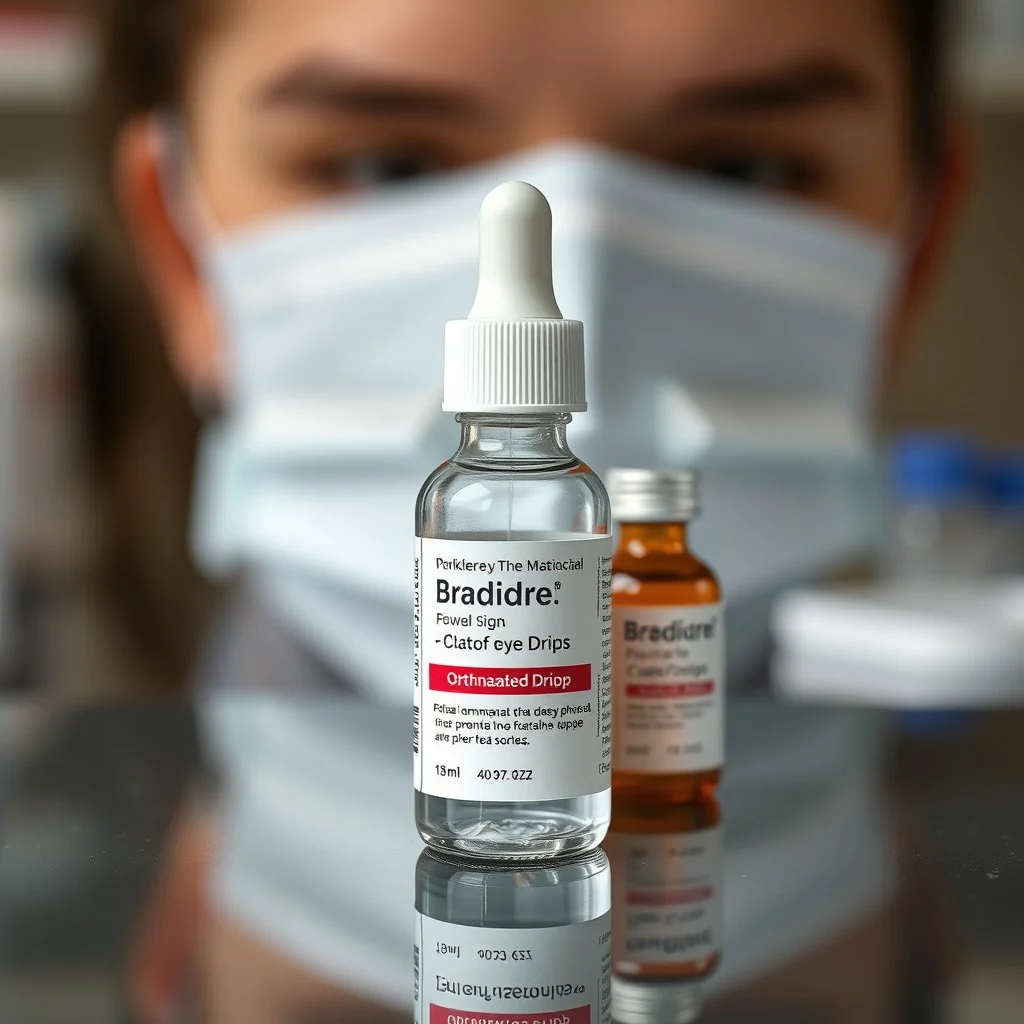
Durezol's Regulatory Record Update and Sandoz's Ophthalmology Portfolio
Sandoz (SDZ), a global generics and biosimilars company, has successfully updated the U.S. FDA approval (NDA 022212) regulatory information for Durezol, its ophthalmic topical corticosteroid treatment (active ingredient: difluprednate 0.05%). Originally approved in June 2008 by Sirion Therapeutics, Durezol was subsequently managed by Alcon and Novartis before becoming part of Sandoz's portfolio following the company's spin-off. This update goes beyond a mere database refresh, demonstrating Sandoz's commitment to maintaining regulatory ownership and market leadership for its key ophthalmology products since embarking on its independent path. It is particularly significant in the post-Novartis era, as Sandoz continues to demonstrate its compliance capabilities and solidify product reliability.
Therapeutic Differentiation through Synthetic Corticosteroid Mechanism
Difluprednate, the active ingredient in Durezol, is a potent synthetic glucocorticoid (corticosteroid), often mistakenly associated with carbonic anhydrase inhibitors. It works by binding to intracellular glucocorticoid receptors, inducing the production of lipocortin protein, which inhibits phospholipase A2, a key enzyme in the inflammatory pathway. This effectively blocks the release of arachidonic acid and strongly inhibits the synthesis of inflammatory mediators such as prostaglandins and leukotrienes. Durezol provides rapid and effective reduction of swelling and pain relief, making it a unique treatment for post-operative inflammation and challenging cases of endogenous anterior uveitis.
Intense Market Competition and the Value of Difluprednate
The global market for difluprednate is estimated at approximately $150 million to $200 million annually and is steadily growing, driven by the increase in ophthalmic surgeries and the aging population. However, the market is not without its challenges, as global generics companies such as Cipla, Amneal, and Dr. Reddy's are launching AB-rated generics of Durezol, threatening the original market. Furthermore, new drugs such as clobetasol propionate suspension and dexamethasone sustained-release implants are entering the market, further intensifying competition. In this competitive environment, Sandoz's efforts to update its regulatory status and ensure supply chain stability are essential for defending its market share.
Sandoz's Mid- to Long-Term Brand Management Strategy for Independent Survival
For Sandoz, which was fully spun off from Novartis and listed independently in October 2023, the efficient management of its original, high-profit ophthalmology product line is a key metric for evaluating its corporate value. In the face of generic competition and a temporary supply shortage in 2026, maintaining communication with regulatory authorities as the NDA holder and updating labeling information is a strategic choice to extend product life. This can be interpreted as part of a two-pronged strategy to protect the brand value of high-value specialty pharmaceuticals while flexibly securing price competitiveness in the generics market. Ultimately, this move demonstrates Sandoz's commitment to proactively managing regulatory risks and defending its long-term profitability in the global essential medicines market.
From an investor's perspective, this validates whether Sandoz (SDZ), which was spun off in 2023, is successfully defending its original revenue stream in the $150 million difluprednate market by maintaining its approval status (NDA 022212). For researchers, it reaffirms the value of Durezol, a potent glucocorticoid receptor agonist, as a standard of care for blocking intraocular inflammatory pathways through phospholipase A2 inhibition. For industry professionals, it highlights the importance of defending market share through regulatory updates in the face of strong generic competitors such as Cipla and Amneal, and the challenge from new drugs such as clobetasol propionate. In the medium to long term, as the global ophthalmic surgery anti-inflammatory market is expected to expand to $6.78 billion by 2030, this will serve as a foundation for Sandoz to maintain its high-margin pharmaceutical portfolio and maximize its cash flow.
Source: openFDA (api_fda)
https://www.accessdata.fda.gov/scripts/cder/daf/index.cfm?event=overview.process&ApplNo=NDA022212