Eli Lilly's Phase 4 GRAMS Trial Investigates Musculoskeletal Changes Associated with Tirzepatide-Induced Weight Loss
Background and Objectives of the GRAMS Study
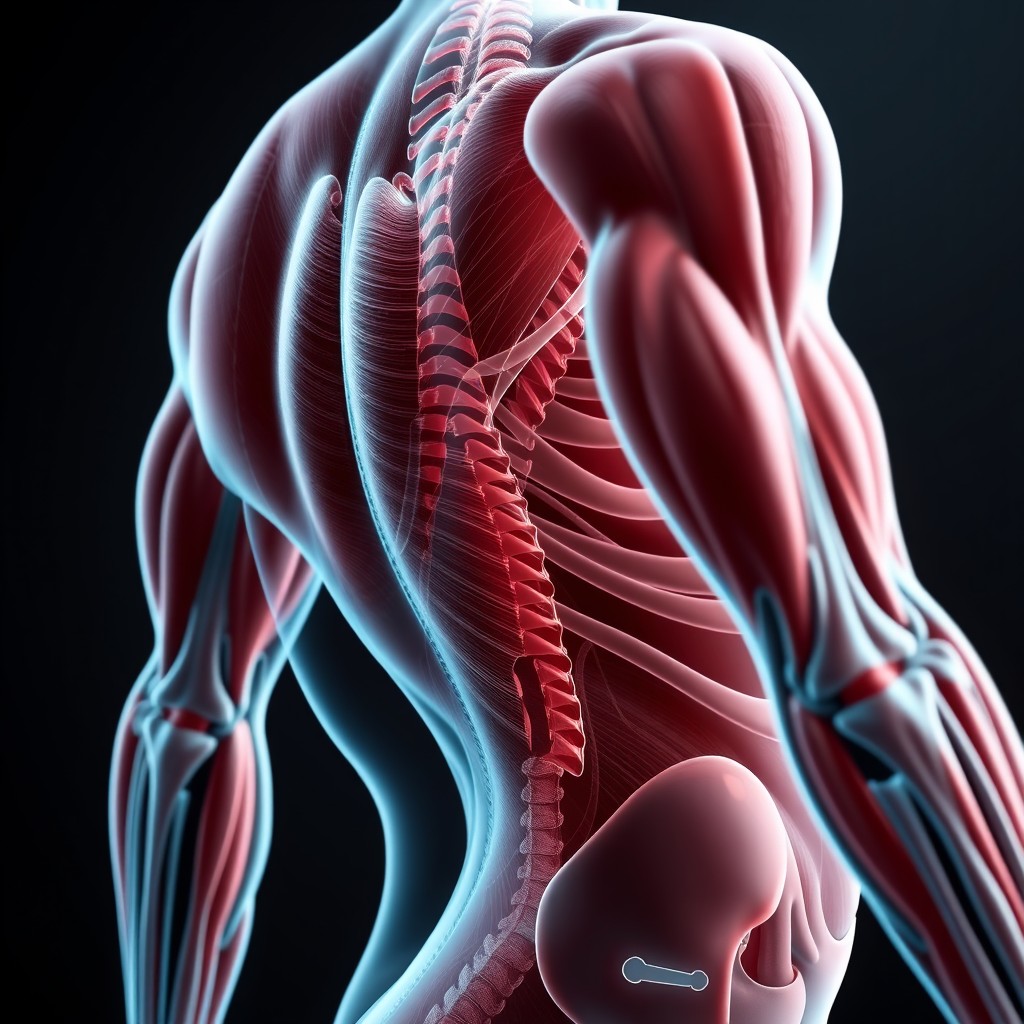
With the obesity treatment market experiencing rapid growth, Eli Lilly's tirzepatide, a dual-acting glucagon-like peptide-1 (GLP-1) and glucose-dependent insulinotropic polypeptide (GIP) agonist, has demonstrated significant weight loss efficacy. However, concerns have been raised about the excessive loss of fat-free mass (FFM), including muscle and bone, during rapid weight loss, potentially threatening patients' long-term health. To address this, the Pennington Biomedical Research Center has initiated the GRAMS (GLP-1R Actions on Muscle and the Skeleton) Phase 4 clinical trial to meticulously analyze the musculoskeletal changes induced by tirzepatide. The study is currently recruiting patients and conducting clinical operations.
Specific Clinical Design and Intervention Strategies
The GRAMS study is a randomized clinical trial designed for 50 adult obese patients aged 18-50 with a body mass index (BMI) between 30 and 40. All participants will receive tirzepatide treatment for five months. The experimental group will receive a lifestyle toolkit including resistance exercise and protein supplements from Abbott, while the control group will maintain a standard diet and exercise regimen. Researchers will use dual-energy X-ray absorptiometry (DXA) and magnetic resonance imaging (MRI) to track changes in FFM and the quality of thigh muscle at 3 and 6 months.
Market and Clinical Value of Musculoskeletal Preservation
The paradigm of the obesity treatment market is shifting from simple weight loss to preserving muscle mass and improving metabolic health, making this study particularly significant. Sarcopenia not only impairs physical function but also reduces basal metabolic rate, leading to a yo-yo effect after drug discontinuation. Therefore, determining how non-pharmacological interventions, such as nutritional support and exercise prescriptions, can mitigate the musculoskeletal side effects of tirzepatide will be key to improving long-term adherence in clinical practice.
Big Pharma's Strategic Moves Targeting the Fat-Free Mass Preservation Market
Global pharmaceutical companies are actively pursuing the development and mergers & acquisitions (M&A) of muscle-preserving pipelines to overcome the limitations of weight loss drugs. In 2023, Eli Lilly acquired Versanis, which holds bimagrumab, an activin receptor antagonist, for a total of $1.925 billion, aiming to secure a leading position in muscle-preserving obesity treatments. The data from the GRAMS study will scientifically support the need for combination therapies with these new muscle-preserving drugs and open up possibilities for collaborations with nutritional and digital healthcare businesses.
With the global obesity treatment market projected to grow rapidly to USD 100 billion by 2030, Eli Lilly's Zepbound (tirzepatide), which recorded USD 13.5 billion in sales in 2023 alone, is solidifying its market dominance. This Phase 4 GRAMS clinical trial is interpreted as a strategic move to secure a long-term competitive advantage in prescription by acquiring differentiated musculoskeletal safety data compared to existing competitor drugs such as Novo Nordisk's Wegovy. In the short term, it will contribute to the establishment of patient management guidelines in clinical practice by elucidating the effects of non-pharmacological interventions, such as protein intake and resistance exercise, on preserving fat-free mass. In the medium to long term, it will facilitate the formation of a combination therapy market with next-generation muscle-preserving drugs such as bimagrumab, which Lilly acquired from Versanis for USD 1.925 billion, and will serve as a catalyst for the co-growth of related digital healthcare and nutrition industries.
Source: ClinicalTrials.gov (api_ct)